


Microbial Contamination in Baby Products: Why Feeding Bottles and Pacifiers Matter?
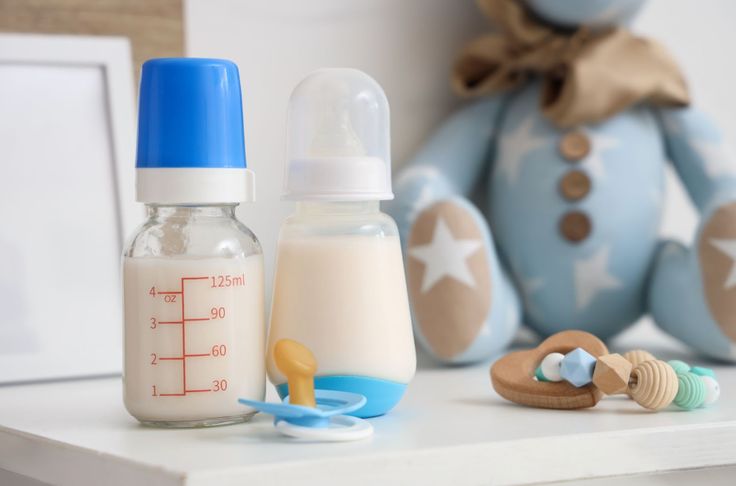
Learn about microbial contamination in baby products baby bottles and pacifiers and why laboratory testing is important for evaluating product hygiene and quality.

Learn about microbial contamination in baby products baby bottles and pacifiers and why laboratory testing is important for evaluating product hygiene and quality.
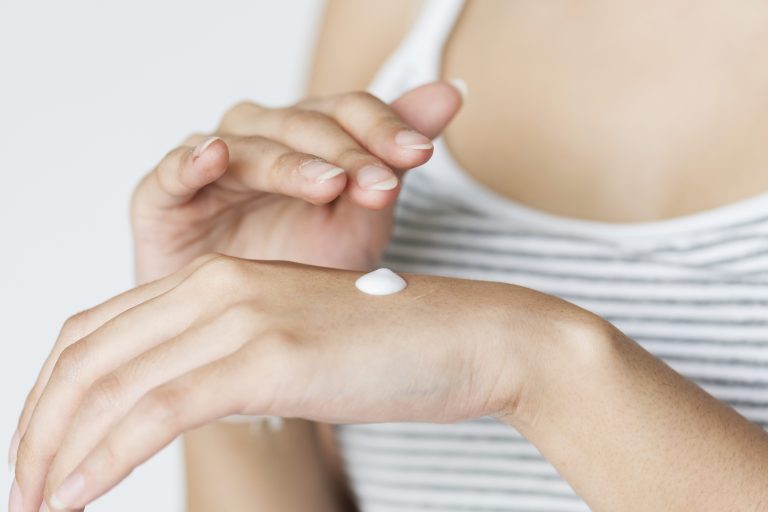
Learn why efficacy testing is essential for substantiating calming claims in panthenol moisturizers and supporting product claims with laboratory data.
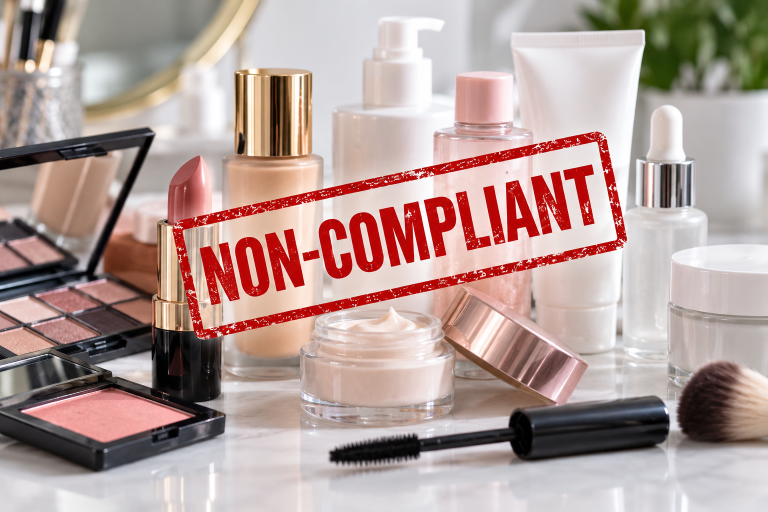
Learn about BPOM's discovery of over 2.1 million non-compliant cosmetic units and why cosmetic laboratory testing is essential for product quality and safety.

Learn why eco friendly packaging is not always food-safe and explore essential tests for chemical migration, heavy metals, and packaging contaminants.
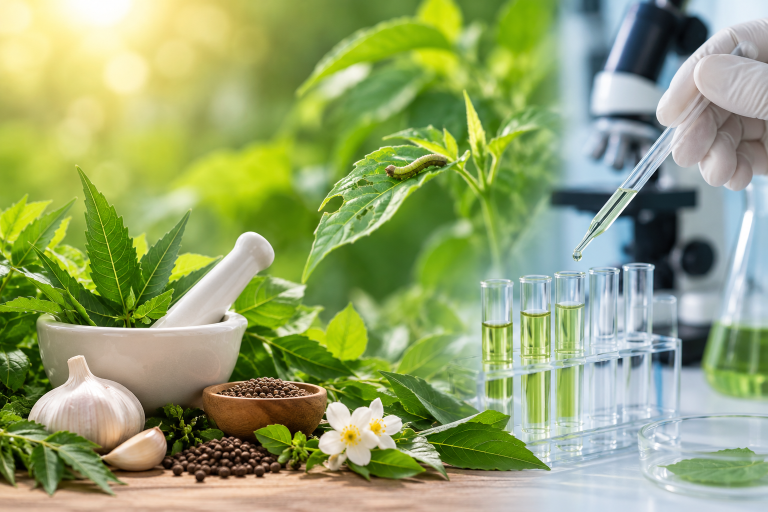
Learn why botanical pesticides require toxicity testing, including potential hazards, exposure routes, and methods for evaluating product safety.

Learn why skin irritation testing for pesticides is important for evaluating potential skin irritation and supporting product safety assessments.
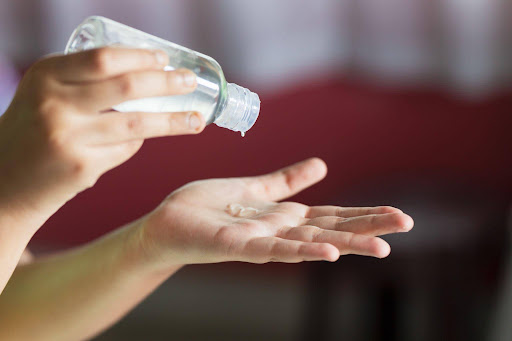
Learn what 1.4 dioxane is, its potential risks, how it may occur in products, and how its concentration can be evaluated through laboratory analysis.

Discover four important tests for evaluating Alpha Arbutin lotion safety, from active ingredient analysis to relevant product safety and quality parameters.

Learn the differences between UVA and UVB, their effects on the skin, and testing methods used to evaluate UV protection performance in sunscreen products.
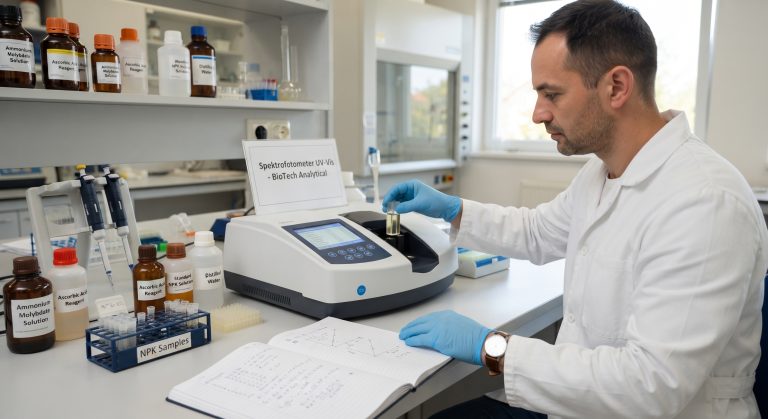
Learn why NPK fertilizer quality testing is important for verifying N, P, and K content, maintaining consistency, and supporting product specifications.
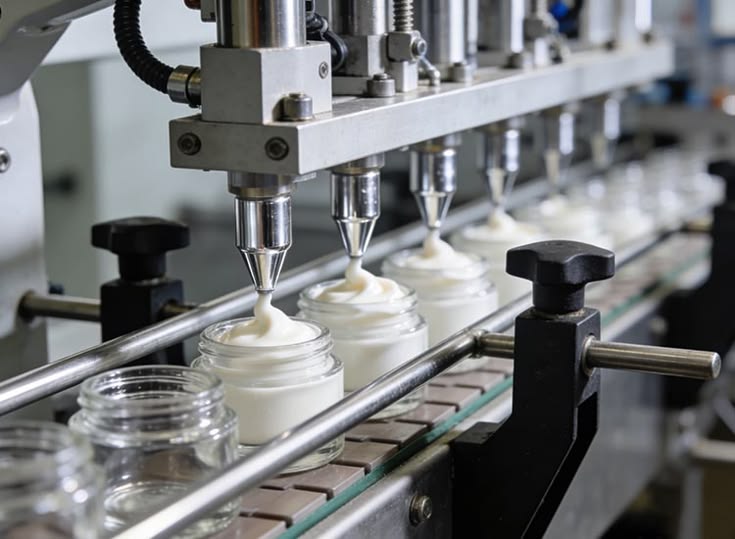
Learn how microbial contamination can occur during manufacturing or consumer use and why preservative system testing is important for product protection.
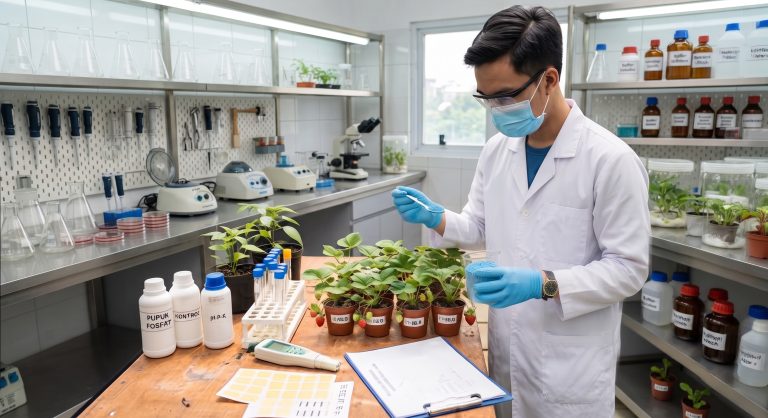
Learn why plant fertilizers nutrient content testing is important for verifying nutrient levels, maintaining quality consistency, and supporting product specifications.
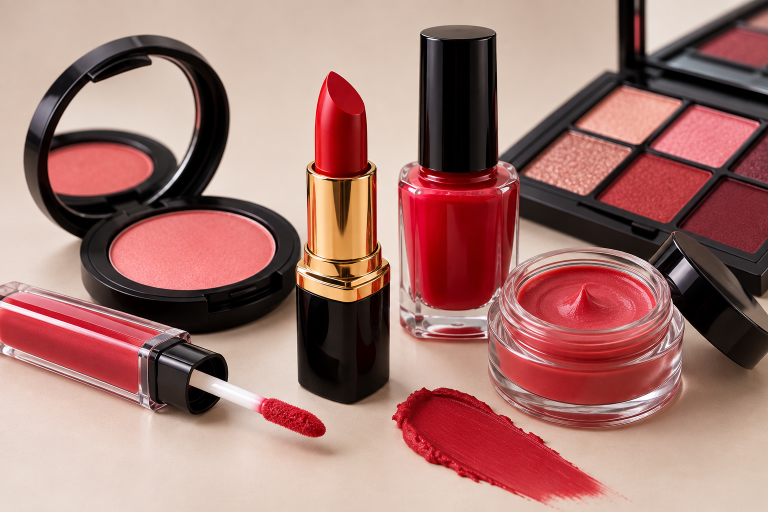
Learn about Red K10 dye in cosmetics, its potential risks, and laboratory methods such as TLC, UV-Vis, and HPLC used to detect the compound.
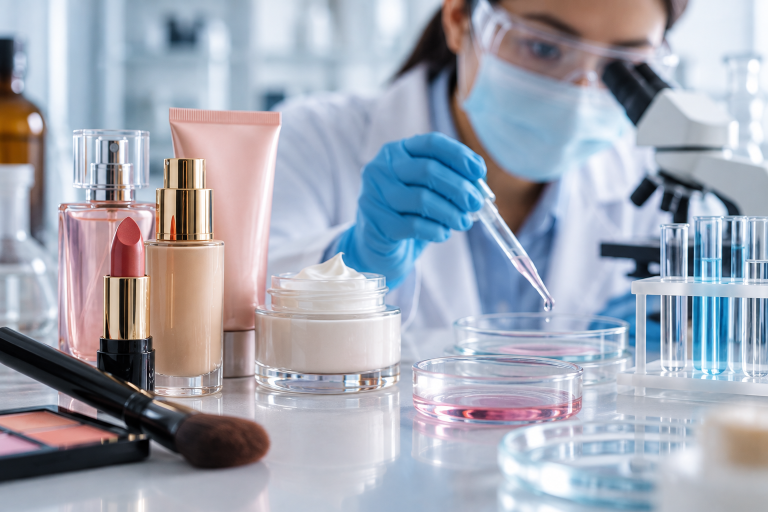
BPOM has found dangerous cosmetics again. Learn why laboratory testing is important for evaluating cosmetic ingredients, quality, and safety before market release.
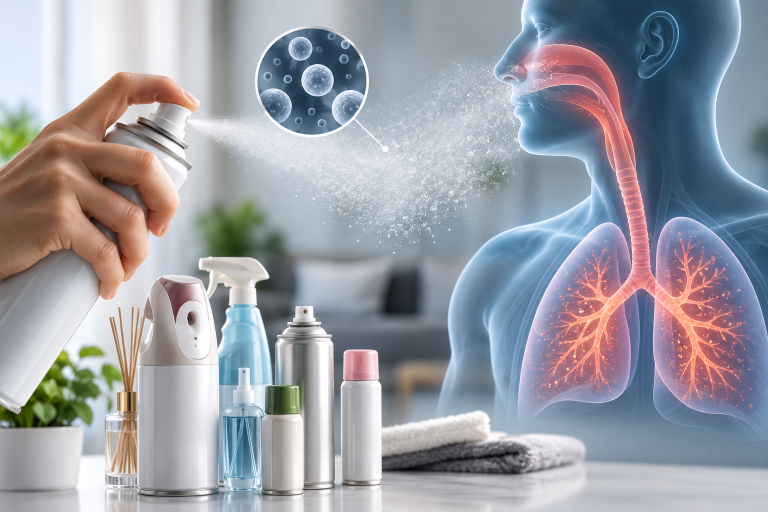
Learn why inhalation toxicity testing is important for aerosols, including respiratory exposure, particle characteristics, testing methods, and product safety.
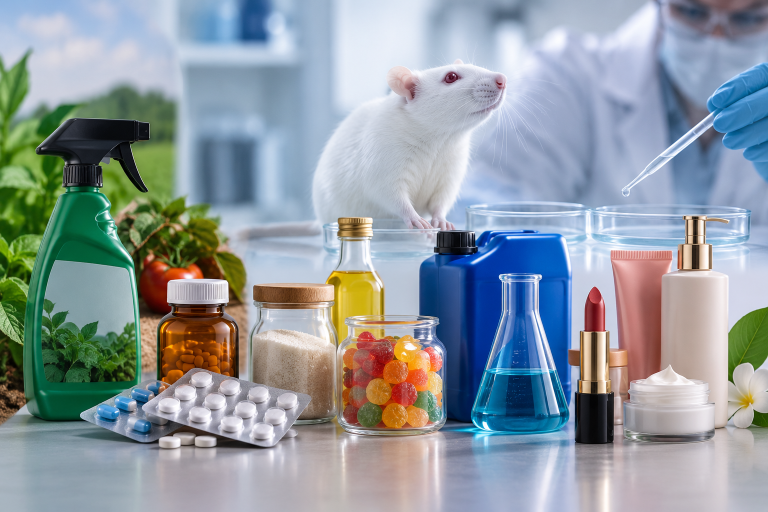
Discover 5 product categories that may undergo chronic toxicity testing to evaluate potential safety effects associated with prolonged repeated exposure.
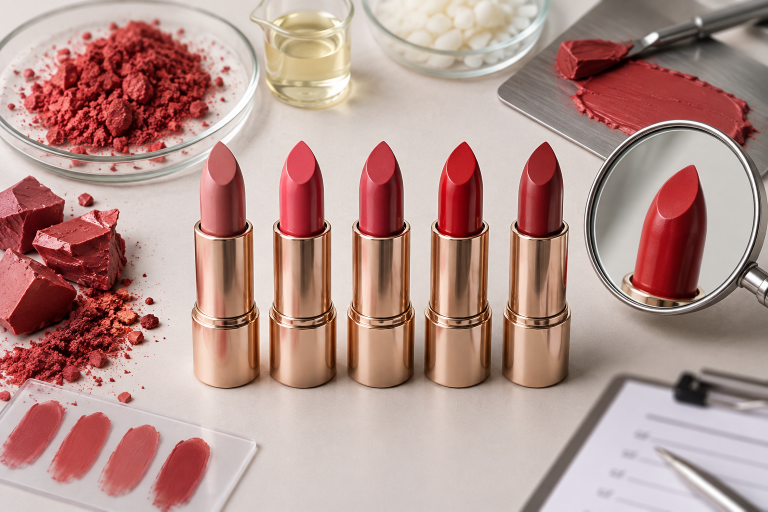
Discover what causes lipstick color variations between batches, including pigments, manufacturing conditions, raw materials, stability, and storage.
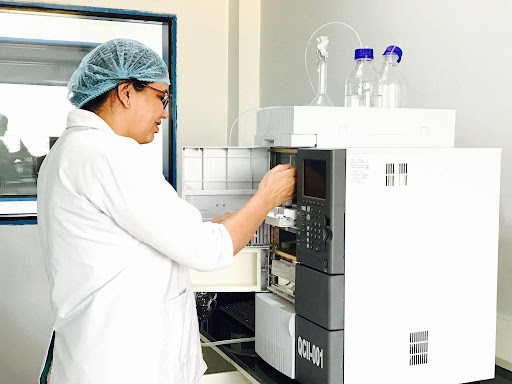
Learn the differences between HPLC RID and DAD detectors, including their principles, suitable compounds, sensitivity, and key considerations for detector selection.

Learn how systemic fungicides work, including their definition, absorption and distribution mechanisms, and proper use for controlling plant diseases.

Learn about retatrutide, a new-generation weight-loss drug candidate, including how it works, its research progress, and its potential for weight management.