


5 Factors That Affect Strategies Rodenticide Effectiveness Against Rats
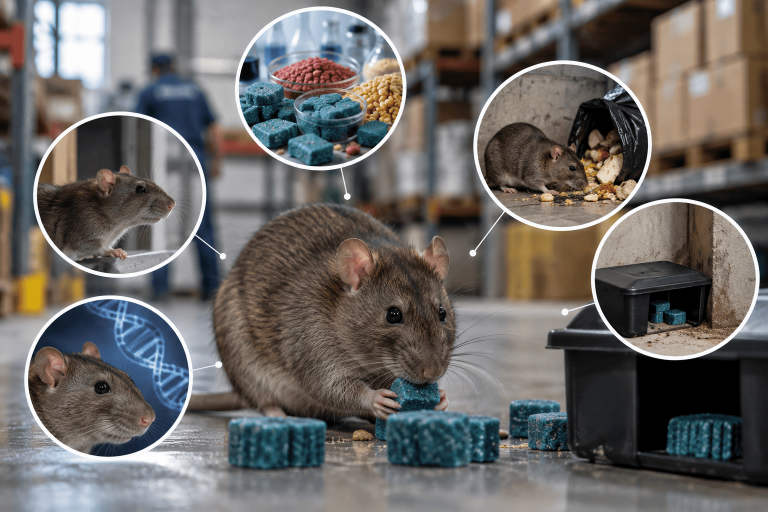
Discover 5 factors affecting rodenticide effectiveness against rats, including active ingredients, bait palatability, food competition, placement, and resistance.

Discover 5 factors affecting rodenticide effectiveness against rats, including active ingredients, bait palatability, food competition, placement, and resistance.
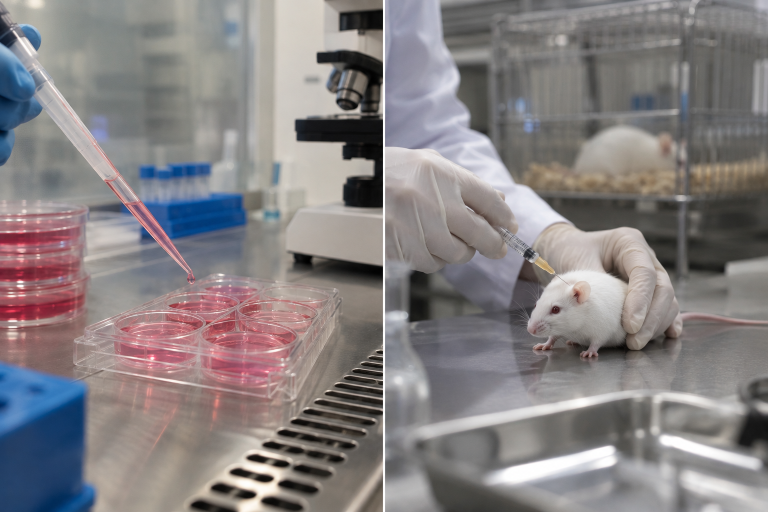
Discover 5 differences between in vitro and in vivo testing, including experimental models, biological complexity, controlled conditions, purpose, and data interpretation.
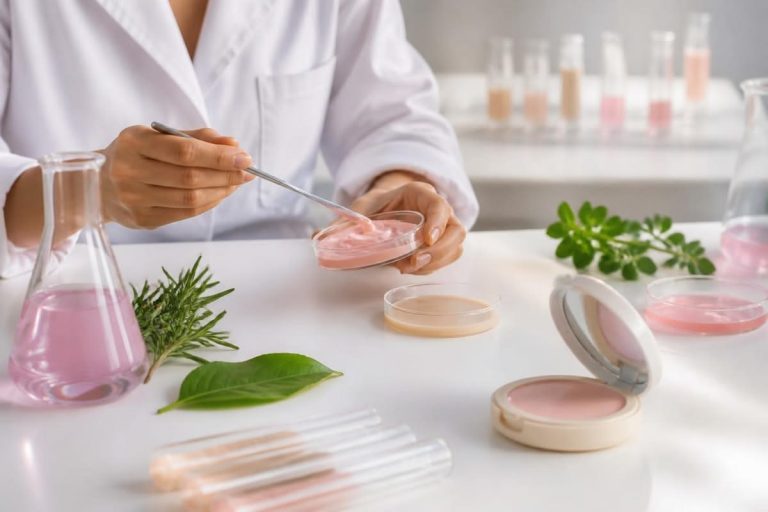
Learn why microorganisms may survive despite preservative effectiveness and how Challenge Testing helps evaluate the effectiveness of a product's preservative system.

Discover 7 facts about mercury in skin-lightening products, its potential health risks, and the importance of laboratory testing to detect its presence.

Understand SPF 30, SPF 50, and SPF 50+ and learn how SPF laboratory test results help evaluate sunscreen performance and support product claims.

Discover essential skincare laboratory tests before product launch, including Chemical Compound, Toxicity, Efficacy, and Molecular Biology Testing.
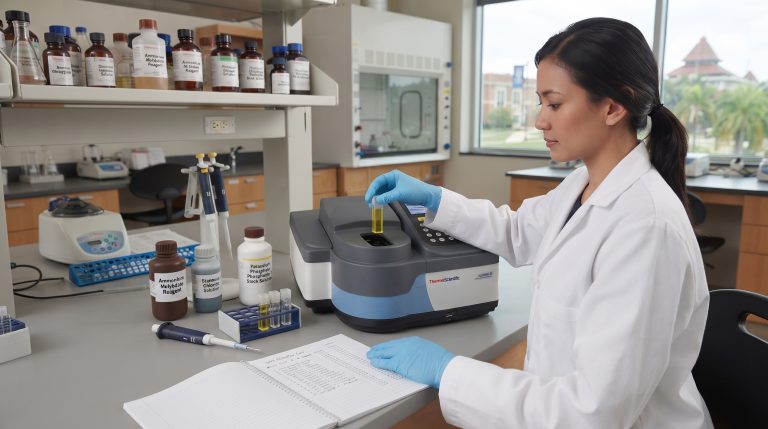
Verify that NPK fertilizer nutrient content matches the product label through laboratory testing to support fertilizer quality and consistency.
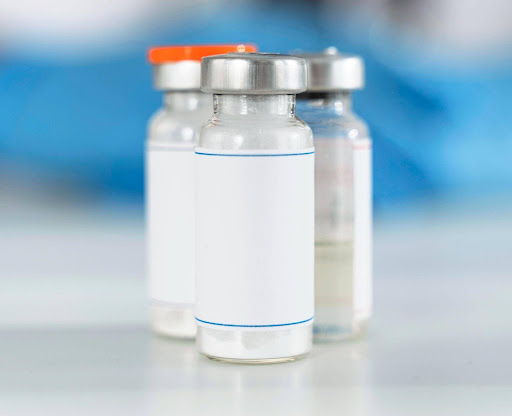
Learn about Copper Tripeptide-1 (GHK-Cu), its characteristics in cosmetics, and the importance of laboratory testing for active ingredient and product quality evaluation.
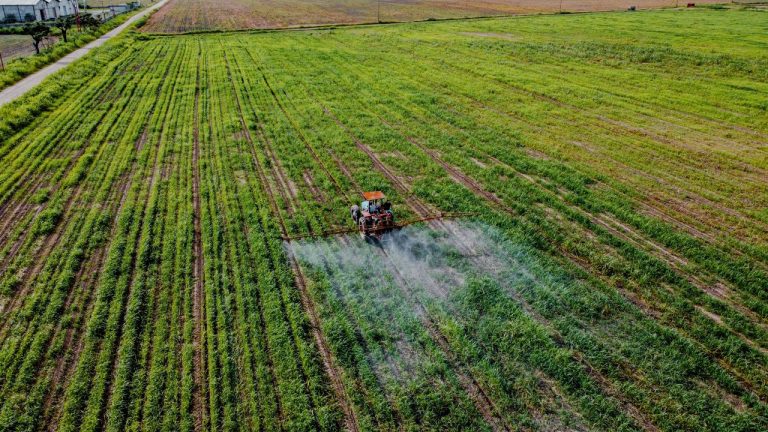
Learn how Insecticide Synergism Testing evaluates active ingredient combinations, their interactions, and effectiveness against target organisms.
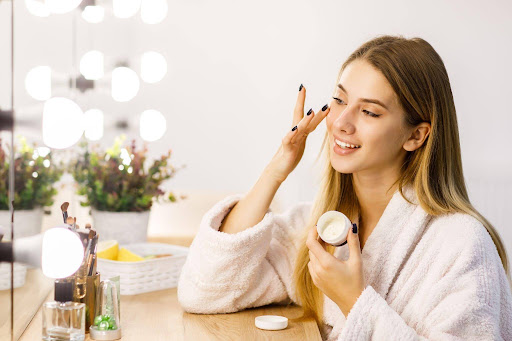
Discover the differences between Alpha Arbutin and Beta Arbutin, from their structures and characteristics to the role of laboratory testing in active ingredient evaluation.

Learn how to prevent microbial growth in cosmetic products through proper formulation and preservation, and discover the importance of Challenge Testing for product safety.

Discover 5 reasons why sunblock testing to evaluate UV protection and why SPF Testing is important for supporting product performance and claims.

Learn why dermal toxicity testing matters for mosquito coils, how dermal exposure may occur, and how testing data can support product safety assessment.

Body toner and body lotion serve different purposes. Learn about their formulations, textures, application order, uses, and why cosmetic product testing matters.

Learn about preclinical SPF testing to evaluate sunscreen effectiveness, measure UV protection performance, and provide data to support sunscreen product claims.
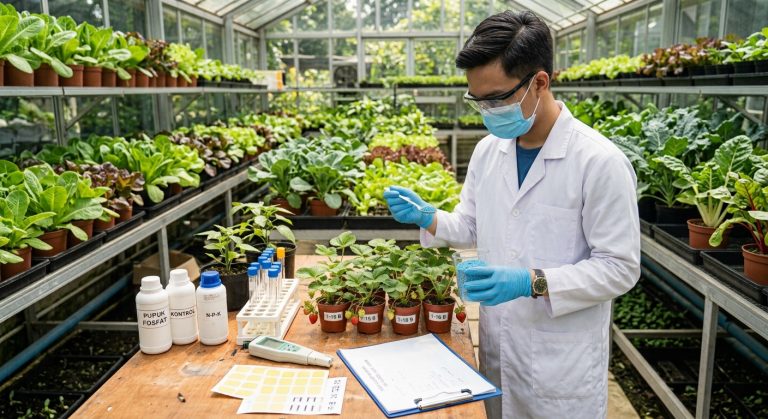
Build greater trust in NPK fertilizer with reliable testing data. Discover 4 reasons laboratory test results are important for verifying product content and quality.
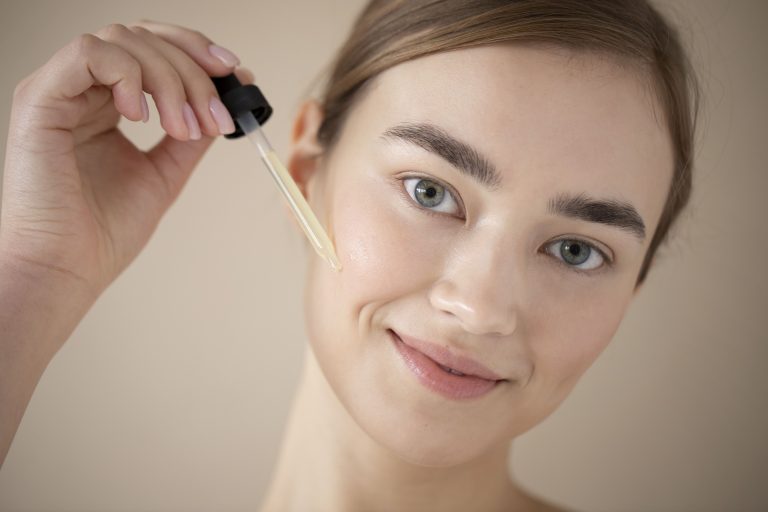
Learn why retinol serum stability testing is important and what factors can affect active ingredient quality during formulation and product storage.
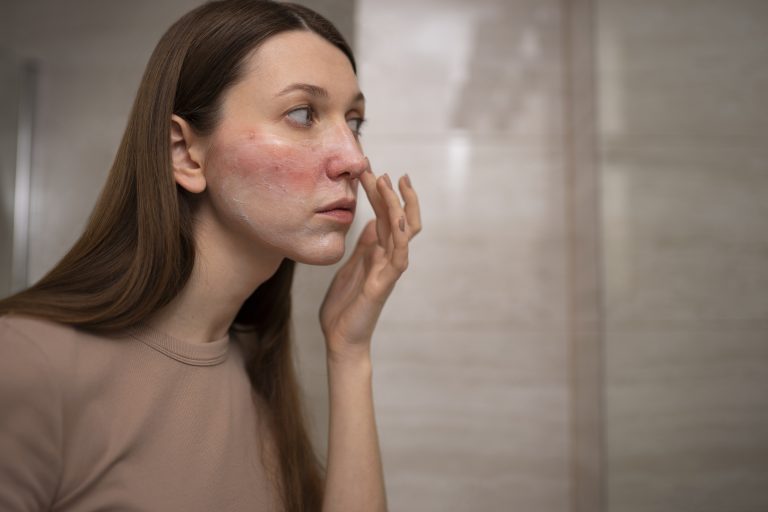
Discover 5 signs that a serum may not be suitable for your skin, from redness to irritation, and why safety testing matters in serum product development.

Discover the importance of Alpha Arbutin purity testing in cosmetics to evaluate its quality and content through reliable laboratory analysis.

Halal product testing helps detect the presence of non-halal materials through laboratory analysis. Learn how products are tested and why verification matters.