


Who Is Responsible for Product Microbial Contamination: Manufacturers or Consumers?
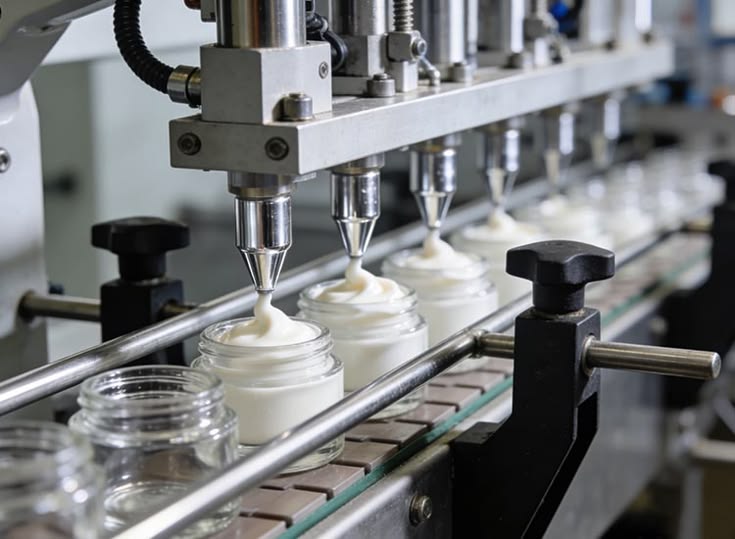
Learn how microbial contamination can occur during manufacturing or consumer use and why preservative system testing is important for product protection.

Learn how microbial contamination can occur during manufacturing or consumer use and why preservative system testing is important for product protection.
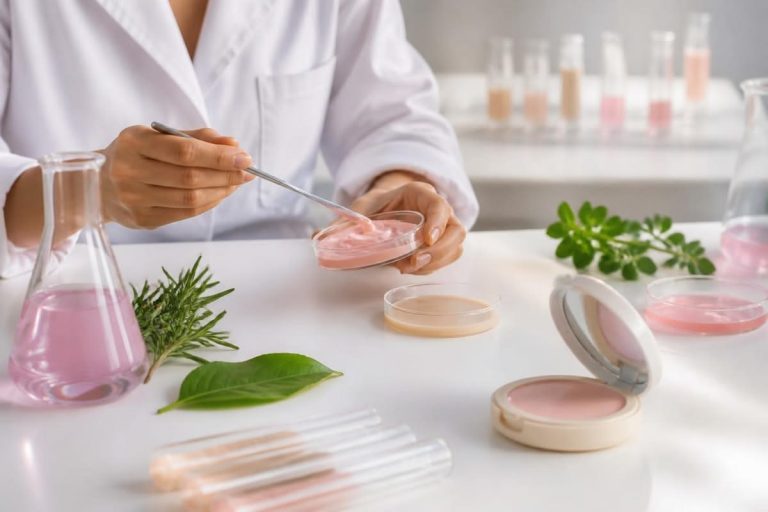
Learn why microorganisms may survive despite preservative effectiveness and how Challenge Testing helps evaluate the effectiveness of a product's preservative system.

Learn how to prevent microbial growth in cosmetic products through proper formulation and preservation, and discover the importance of Challenge Testing for product safety.
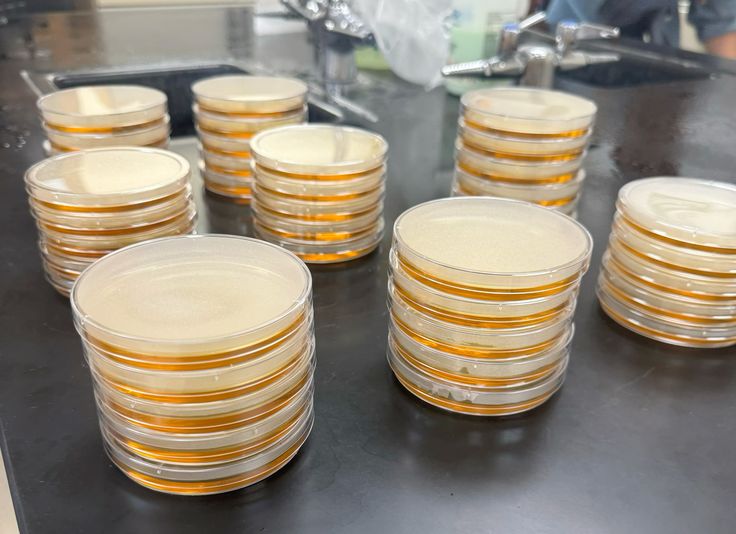
Explore the role of rapid methods in Challenge Testing, their advantages and limitations, and whether they can replace plate count in microbiological product evaluation.
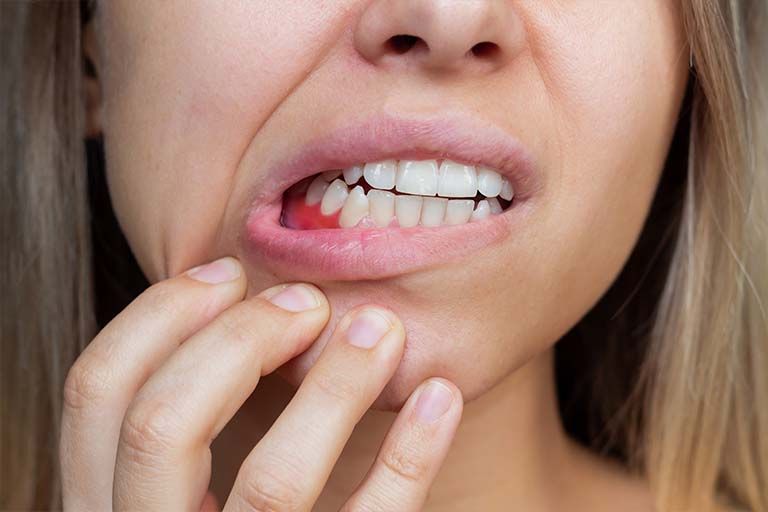
Learn the role of Porphyromonas gingivalis as a keystone pathogen and why accurate identification is essential in microbiological testing.
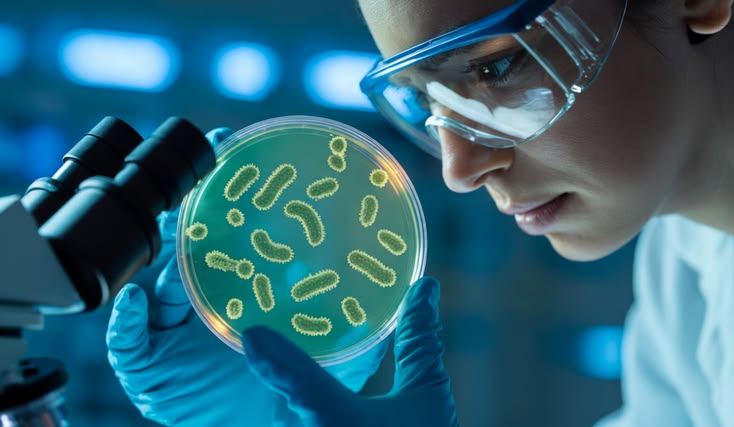
Explore methods for identifying Fusobacterium nucleatum and its subspecies using culture, biochemical tests, PCR, and molecular analysis.
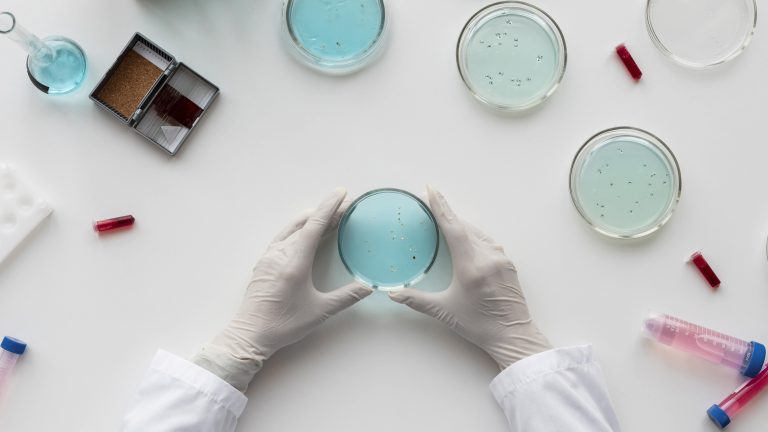
Explore laboratory methods for pathogenic bacterial identification and get a free consultation for microbiological testing with IML.

E. coli contamination in food can pose serious risks to the food industry. Learn why microbiological testing, hygiene control, and quality systems are essential.
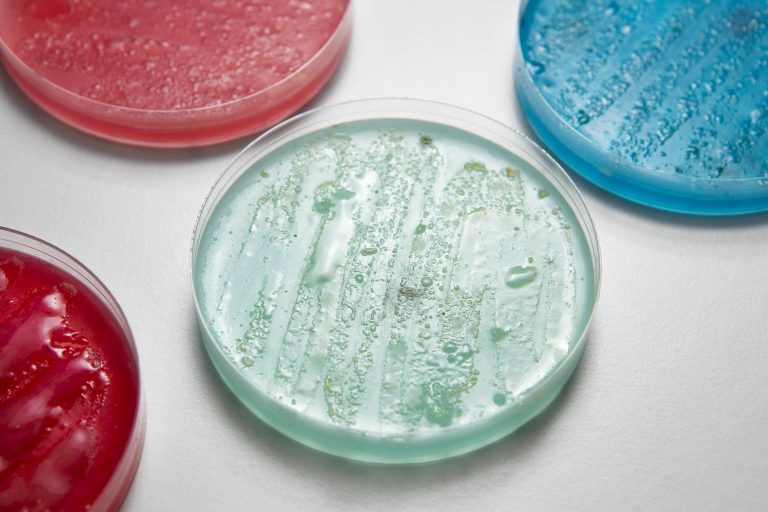
Detecting harmful microorganisms through microbial contamination testing is important to ensure product safety and quality. Learn how microbiological contamination testing helps brands prevent contamination risks before products enter the market.
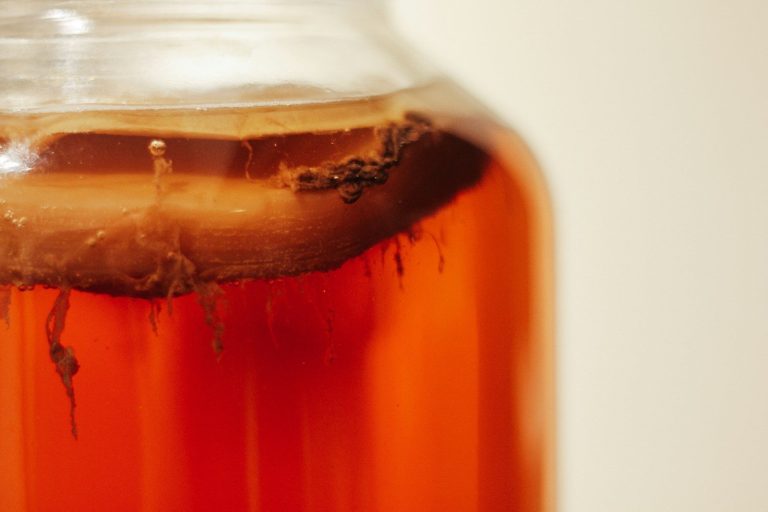
The difference between probiotics and prebiotics is important to understand before making product claims. Learn their functions, mechanisms, benefits, and the role of laboratory testing in supporting the quality and credibility of probiotic and prebiotic products.

COVID 19 is still circulating in 2026 despite its non pandemic status. Learn about the virus's development, its evolving management, and how IML Testing & Research supports public health in Indonesia.
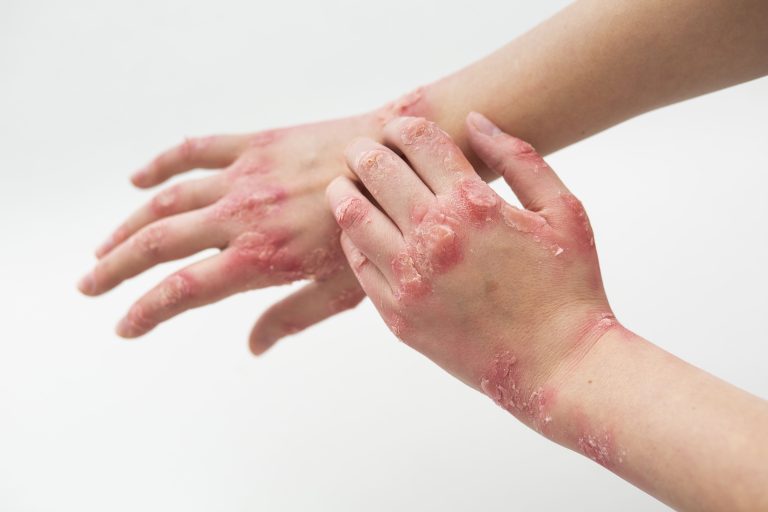
Scabies is caused by mites that rarely heal without proper treatment. Learn about the symptoms, transmission, and solutions and how IML Testing & Research helps manufacturers validate anti scabies product efficacy scientifically.

Are your anti acne skincare claims backed by microbiological testing? Learn why it matters and consult with IML Testing & Research a trusted lab recognized by BPOM RI
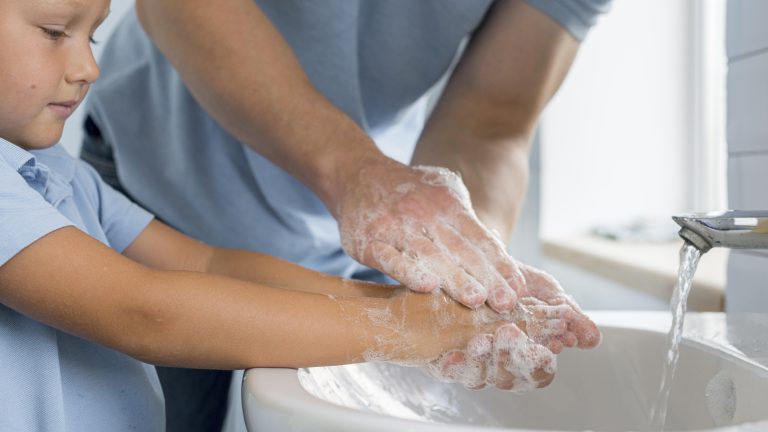
Proper handwashing is a simple yet effective way to prevent illness caused by pathogens. Learn the most effective methods, durations, and antiseptics through laboratory testing with IML Testing and Research, and ensure your hygiene practices are evidence-based for optimal results.
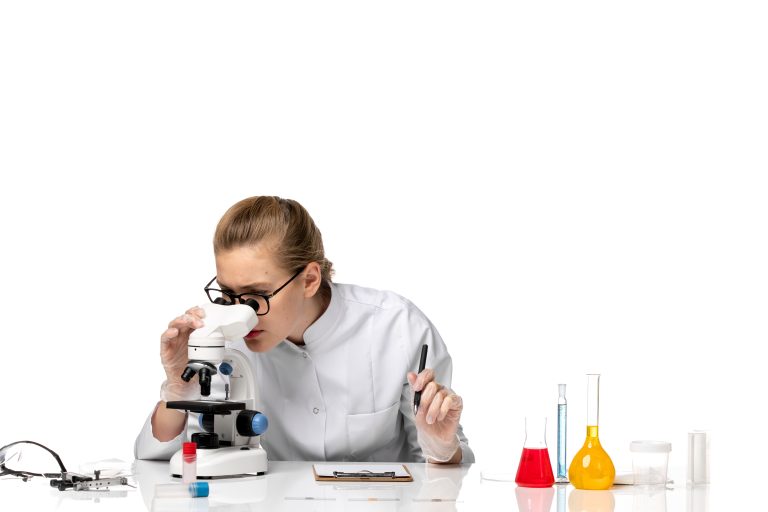
Gram staining of bacteria is a method used in modern research and education. It's important for researchers to know, and for more information, read this article!
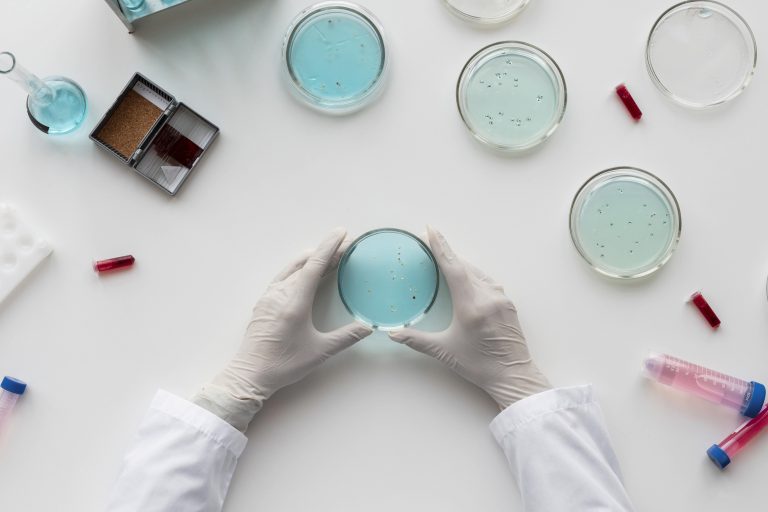
Pseudomonas aeruginosa bacteria are frequently used in various tests, but did you know that? Learn more in this article and learn about important indicators in microbiology testing.

Amino acids in skincare products can now be produced by microorganisms. Is this a fact? However, only a few microorganisms can produce amino acids. Learn more in this article!

Escherichia coli, a gut microorganism that's both a friend and a foe. Why is that? Learn about its health benefits and disease prevention strategies in this article! Ensure your products are free from the risk of microbial contamination by conducting microbiological testing.

Do you know the toxicity level of Aspergillus niger? This fungus is all around us! Learn about its effects and how to prevent it in this article!
Candida albicans is one of the causes of skin and genital infections that are often overlooked when symptoms first appear. Is it really dangerous for humans? Find out the answer in this article and immediately conduct microbiological testing for products you plan to distribute or use.