The Difference Between Probiotics and Prebiotics: Don’t Mix Them Up

The terms probiotics and prebiotics are often found in health products, food, beverages, supplements, and even microbiome based skincare. Because the names sound similar, many people assume they are the same.
In fact, they have different functions and mechanisms. For brands, understanding the difference between probiotics and prebiotics is important so product claims do not only sound attractive, but are also scientifically accurate and supported by proper testing.
Table of content:
- What are Probiotics?
- What are Prebiotics?
- The Main Difference Between Probiotics and Prebiotics
- Why Brands Need to Understand The Difference
- The Role of Laboratory Testing in Probiotic and Prebiotic Products
What are Probiotics?
Probiotics are live microorganisms that, when consumed in adequate amounts, can provide a health benefit to the host. This definition is widely used in scientific literature and international consensus documents, including those from FAO/WHO and ISAPP.
This means not every good bacteria can automatically be called a probiotic. The microorganism must be clearly identified, safe to use, present in an adequate amount, and supported by evidence of benefit.
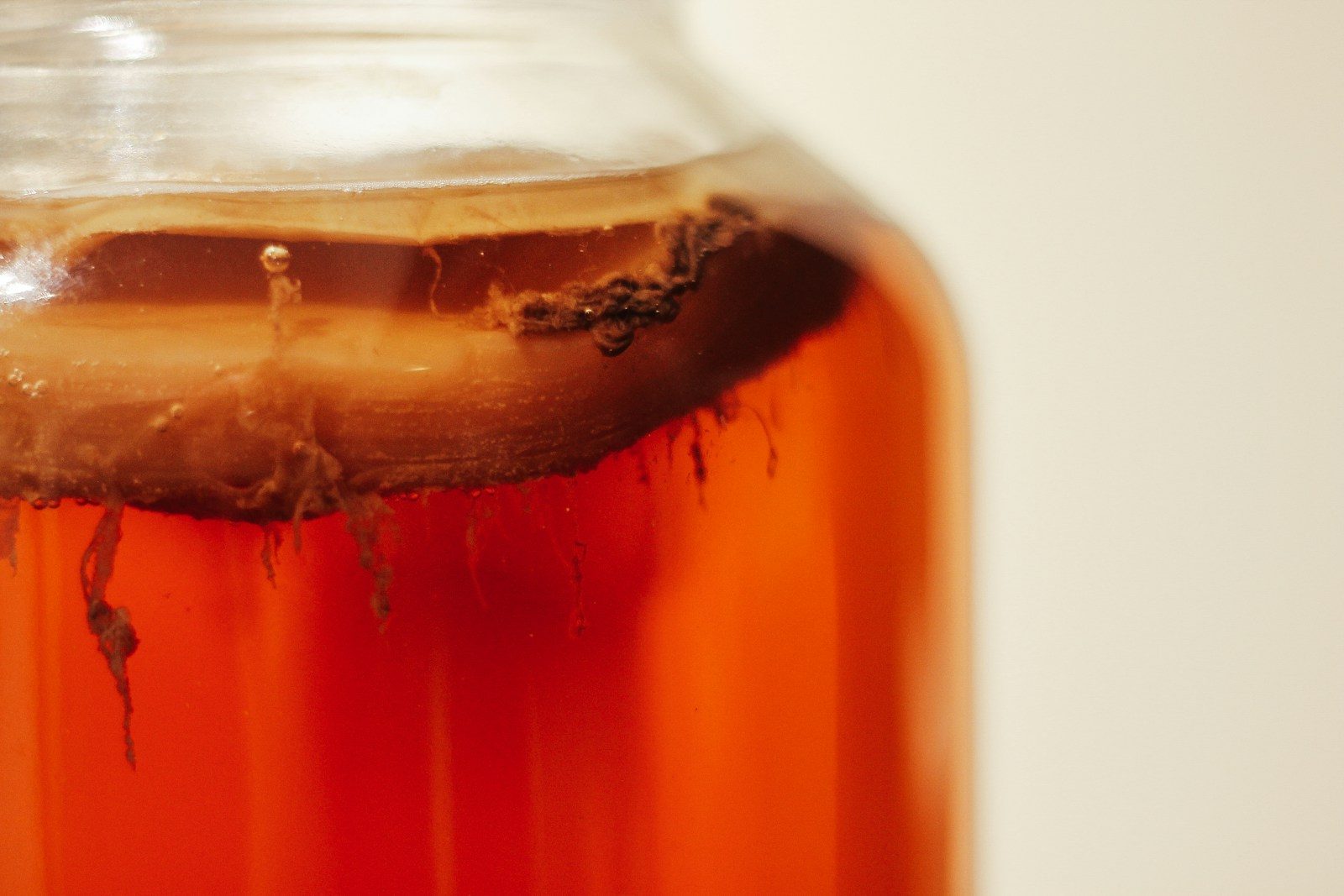
In daily products, probiotics are commonly found in yogurt, fermented drinks, kefir, kombucha, probiotic supplements, or certain functional food products. Some commonly used microorganisms include Lactobacillus and Bifidobacterium.
However, probiotic benefits are highly strain specific. Therefore, claims such as supports digestion or helps maintain immunity should not be made too broadly without supporting data.
What are Prebiotics?
Prebiotics are different from probiotics. If probiotics are live microorganisms, prebiotics are substrates that are selectively utilized by host microorganisms and provide a health benefit.
This updated definition was established by the ISAPP consensus panel in 2017. Prebiotics generally come from certain types of fibers that are not directly digested by the human body but can be fermented by beneficial gut bacteria.
Examples include inulin, fructooligosaccharides or FOS, galactooligosaccharides or GOS, and several other dietary fibers. When prebiotics are fermented by gut microbiota, they can produce compounds such as short chain fatty acids or SCFAs, which are associated with digestive health and other body functions.
The Main Difference Between Probiotics and Prebiotics
The simplest difference is this probiotics are beneficial microorganisms, while prebiotics are the nutrients or substrates that help those microorganisms grow and function better. In other words, probiotics can be described as good bacteria, while prebiotics are food for good bacteria.
From a product formulation perspective, this difference is very important. Probiotic products must ensure that the microorganisms remain alive in sufficient numbers until the end of shelf life.
This makes stability, storage temperature, humidity, pH, and production process highly important. Meanwhile, prebiotic products focus more on the type of substrate, active ingredient content, safety, and the ability to support specific beneficial microorganisms.
Why Brands Need to Understand The Difference
For food, beverage, supplement, or health product brands, understanding the difference between probiotics and prebiotics helps prevent inaccurate claims. For example, a product that only contains certain fibers cannot automatically be called a probiotic.
On the other hand, a product containing live bacteria cannot automatically be claimed as probiotic if the strain, quantity, safety, and benefits are unclear. This matters because consumers are becoming more critical of product claims.
Terms like gut health, microbiome friendly, contains good bacteria, or supports digestion may sound appealing, but they still need a scientific basis. For B2B brands, strong claims do not only support marketing. They also help build trust with distributors, business partners, and end consumers.
Read also:
Probiotics in Skincare: The New Secret and Strategies to Healthier Skin
The Role of Laboratory Testing in Probiotic and Prebiotic Products
Probiotic and prebiotic products require different testing approaches. For probiotic products, testing may include microorganism identification, viable cell count, microbiological safety, and stability during storage.
The goal is to ensure that the claimed microorganism is truly present, correctly identified, and maintained in a relevant amount until the product is used. For prebiotic products, testing may focus on active ingredient content, material quality, microbial contamination, stability, and product safety.
If a product is developed with a specific claim, brands should also consider scientific data that supports the relationship between the prebiotic ingredient and the claimed benefit.
Conclusion
Probiotics and prebiotics are both related to microbiota health, but they are not the same. Probiotics are live microorganisms that may provide health benefits when consumed in adequate amounts, while prebiotics are substrates that help beneficial microorganisms grow and function more effectively.
For brands, understanding this difference is essential so product development, claim strategy, and laboratory testing can be carried out more accurately. With a strong scientific basis and clear testing data, products will not only look attractive in the market but also become more credible.
Microbiome Claims Need Proof
If your brand is developing products with probiotic, prebiotic, gut health, or microbiome friendly claims, make sure those claims are not based only on trends.
With IML Testing and Research, you can conduct professional product testing to help ensure quality, safety, stability, and stronger claim support before the product enters the market.
References
Food and Agriculture Organization of the United Nations & World Health Organization. (2006). Probiotics in food: Health and nutritional properties and guidelines for evaluation. FAO Food and Nutrition Paper.
Gibson, G. R., Hutkins, R., Sanders, M. E., Prescott, S. L., Reimer, R. A., Salminen, S. J., Scott, K., Stanton, C., Swanson, K. S., Cani, P. D., Verbeke, K., & Reid, G. (2017). Expert consensus document: The International Scientific Association for Probiotics and Prebiotics consensus statement on the definition and scope of prebiotics. Nature Reviews Gastroenterology & Hepatology, 14, 491–502.
Hill, C., Guarner, F., Reid, G., Gibson, G. R., Merenstein, D. J., Pot, B., Morelli, L., Canani, R. B., Flint, H. J., Salminen, S., Calder, P. C., & Sanders, M. E. (2014). Expert consensus document: The International Scientific Association for Probiotics and Prebiotics consensus statement on the scope and appropriate use of the term probiotic. Nature Reviews Gastroenterology & Hepatology, 11, 506–514.
Yoo, S., & Kim, Y. (2024). The role of prebiotics in modulating gut microbiota. Nutrients.
Bedu Ferrari, C., Biscarrat, P., Langella, P., Cherbuy, C., & Martin, R. (2022). Prebiotics and the human gut microbiota: From breakdown mechanisms to the impact on metabolic health. Nutrients