Getting to Know 2 Fact About Scabies: How Can It Be Treated?

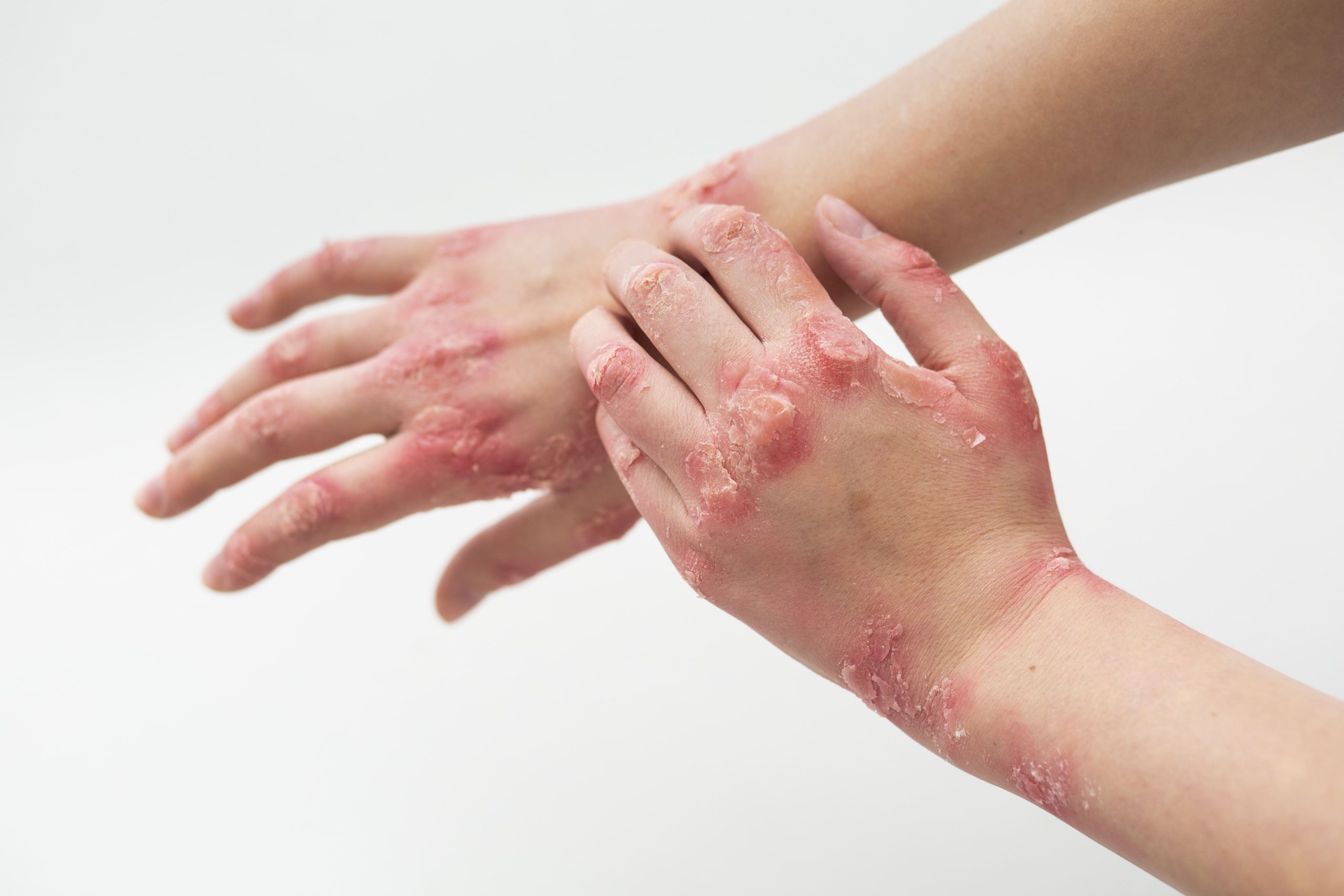
Have you ever experienced an unbearable itch at night especially between your fingers, around your wrists, or along your waistline and wondered what was really causing it? Many people dismiss it as a simple allergy or a temporary skin reaction, when in fact it could be a sign of scabies, a highly contagious skin disease caused by microscopic mites that burrow directly into the layers of your skin.
Scabies is not merely a matter of personal hygiene. It can affect anyone from children to adults and spreads far faster than most people realize, particularly in crowded environments such as dormitories, boarding schools, or households. Understanding its causes, symptoms, and the right way to treat it is the crucial first step in stopping its spread before it becomes an even bigger problem.
Table of content :
- What Is Scabies and How Does the Mite Work?
- Scabies Symptoms You Shouldn't Ignore
- How Does Scabies Spread? Understanding the Routes of Transmission
- How to Treat Scabies: Proven and Effective Therapy Options
What Is Scabies and How Does the Mite Work?
Scabies, also known as mange, is a contagious skin disease caused by the mite Sarcoptes scabiei. As an ectoparasite that lives on the external surface of the host and depends entirely on the host throughout its life cycle, this mite inhabits and reproduces within the upper layers of human skin by creating small burrows, which trigger inflammatory reactions and intense itching. The itching is typically more pronounced at night.
Scabies is one of the most common skin diseases, particularly in developing countries. It accounts for a substantial proportion of overall dermatological conditions. Globally, it is estimated that more than 200 million people are affected by scabies at any given time, and over 400 million people are infected each year.
Scabies represents a serious public health concern, especially due to the complications it may cause. Without appropriate treatment, the infection rarely resolves spontaneously and can lead to persistent disease, outbreaks, and an increased economic burden. Therefore, early detection and proper treatment are essential to prevent adverse outcomes.
Scabies Symptoms You Shouldn't Ignore
Symptoms of scabies generally appear approximately 4–6 weeks after mite infestation. The primary symptom is intense itching. Other symptoms include erythematous rashes and small papules on the fingers, wrists, arms, legs, and waist area.
In infants and young children, the rash tends to be more extensive and may involve the palms, soles, ankles, and scalp. Most individuals are typically infested with approximately 10–15 mites.
Read also:
Anti Acne Claims on Your Skincare Product Is Microbiological Testing Strategies Necessary?
How Does Scabies Spread? Understanding the Routes of Transmission
Scabies is transmitted from person to person mainly through prolonged and close direct skin contact (10–15 minutes), such as living in the same household with an infected individual. In addition, transmission may also occur indirectly through the shared use of personal items such as clothing, towels, or bed linens.
The risk of transmission increases with a higher mite burden in the affected individual. Consequently, mange can easily spread within families or communities if not properly managed.
How to Treat Scabies: Proven and Effective Therapy Options
The treatment of mange aims to eliminate mites and their eggs and to prevent reinfestation. The mainstay of mange therapy is topical permethrin, which has been proven effective and superior to other treatment options. Permethrin is generally recommended as first line therapy due to its favorable safety profile, including its use in children older than 2 months and in pregnant women.
Permethrin 5% cream is applied to the entire body and left on for 8–12 hours before being washed off. Treatment is usually repeated after 7 days to ensure complete eradication of mites and eggs.
Other agents such as topical ivermectin, spinosad, crotamiton, and pyrethrins may be used as alternative therapies, although their effectiveness is generally lower than that of permethrin. It is important to note that itching may persist for several weeks after treatment, even after the mites have been eradicated.
This condition is known as post reaction and does not indicate treatment failure. With proper understanding and appropriate management, this mange can be effectively treated and its transmission prevented. Awareness of personal and environmental hygiene, along with adherence to treatment recommendations, is essential for controlling this contagious skin disease.
Is Your Anti Scabies Product Tested? Prove Its Effectiveness Scientifically!
This is not a disease to take lightly with over 400 million cases every year, the demand for genuinely effective treatment products is immense. Whether you're a consumer wanting to ensure the product you use is clinically safe and proven, or a pharmaceutical and skincare manufacturer looking to validate the efficacy claims of your anti scabies product scientific testing is a step you simply cannot skip.
IML Testing & Research is ready to help you prove your formula's effectiveness through standardized testing methods recognized by BPOM RI. Consult with us today and make your product a real solution for millions of scabies sufferers.
Author: Jihan
Editor: Alphi
References
World Health Organization (WHO). (2023). Scabies.
Ziebold C, Crane JS. Scabies. [Updated 2025 Dec 13]. In: StatPearls [Internet]. Treasure Island (FL): StatPearls Publishing; 2025 Jan–.