Handwashing Can help Prevent Many Diseases Caused by Pathogens. Believe it!

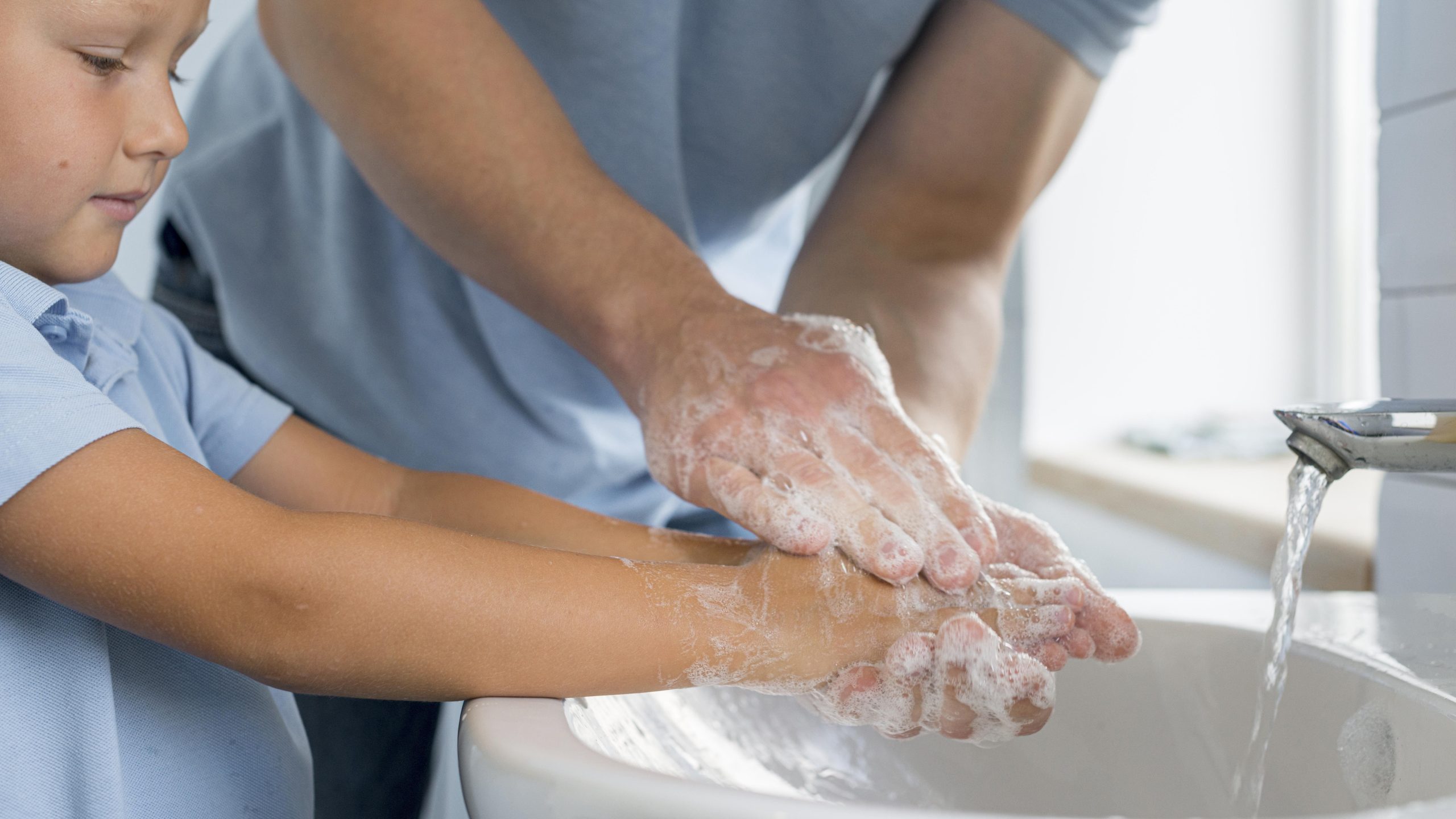
Handwashing is a simple yet essential practice for maintaining health. This habit is effective in preventing infectious diseases caused by pathogenic microorganisms, especially those affecting the digestive and respiratory systems. Therefore, washing hands before eating is an important step in disease prevention.
Various methods can be used to maintain hand hygiene, such as washing with soap and water or using alcohol-based hand sanitizers. In addition, there are other alternatives like alcohol-based hand rubs (ABHRs). However, the effectiveness of each of these methods still requires further research.
Methods that are not effective in laboratory settings tend to be ineffective in real-life conditions. Therefore, laboratory testing serves as an important foundation for determining appropriate methods. This scientific evidence is necessary to ensure that handwashing practices carried out by the public are truly effective.
Table of Content :
- Effective Handwashing: Soap, Water, and Right Duration.
- Alternative Handwashing Methods to Combat Pathogens.
Effective Handwashing: Soap, Water, and Right Duration.
Handwashing with soap and water is the most common and proven method for maintaining hand hygiene. Studies show that this method can significantly reduce the number of germs, especially bacteria. In certain conditions, its effectiveness can even reach more than 99%.
If only water is used, the results are much less effective. Water alone can only remove a small portion of microorganisms on the hands. That’s why soap is an essential component to ensure hands are truly clean.
The effectiveness of handwashing is influenced not only by the type of material used but also by its duration. Research shows that washing hands for 10–20 seconds is sufficient to significantly reduce bacterial counts. This duration is considered the minimum recommended standard in daily practice.
Interestingly, washing hands for more than 30 seconds does not always result in significantly cleaner hands. What matters most is proper technique and ensuring all hand surfaces are exposed to soap. So, the focus should be on quality rather than simply washing for longer.
Overall, the combination of the right soap and adequate washing duration is key to maintaining hand hygiene. This simple habit is highly effective in preventing disease transmission and should be practiced regularly, especially before eating or after outdoor activities.
Read also :
Rarely known, This is How to Test The Effectiveness of Handsanitizer
Alternative Handwashing Methods to Combat Pathogens.
Handwashing is not just a routine habit but also a powerful way to fight germs and viruses. Besides soap and water, there are various alternatives, such as alcohol-based antiseptics, non alcohol antiseptics, and even materials like sand or certain plant leaves. Each method has different levels of effectiveness depending on the type of pathogen and how it is used.
Alcohol-based antiseptics are the most widely studied and are generally the most reliable for killing bacteria. However, their effectiveness against certain viruses, especially non-enveloped ones, may be lower. Therefore, proper usage and duration remain important.
Alternative methods such as ozonized water, sand, or ash can also be helpful. For example, sand may be effective against certain viruses when used properly for about 20 seconds. However, some alternatives like Moringa leaves are less effective unless used in larger amounts.
Antimicrobial towels or wipes are also popular, especially single-use ones. They can reduce bacterial levels, but results vary depending on the type and method of use. Therefore, it is important to use them properly rather than simply wiping hands casually.
In conclusion, handwashing is essential, but choosing the right method matters. Soap and water or alcohol-based antiseptics remain the safest options, while alternatives can be used when necessary. Most importantly, proper technique and sufficient duration are key to ensuring hands are free from harmful germs.
Prevent Disease Now!
Simple habits like handwashing can prevent the spread of pathogens and protect your health. Also, ensure the safety of your products and facilities through microbial testing at IML Testing and Research. Consult now!
Author: Dherika
Editor : Alphi
References
Hilton SP, An NH, O’Brien LA, et al. Efficacy and effectiveness of hand hygiene-related practices used in community settings for removal of organisms from hands: a systematic review. BMJ Glob Health 2025;10:e018925.
Wolf J, Hubbard S, Brauer M, et al. Effectiveness of interventions to improve drinking water, sanitation, and handwashing with soap on risk of diarrhoeal disease in children in low-income and middle-income settings: a systematic review and meta-analysis. The Lancet 2022;400:48–59.