HOCl in the Food Industry: An Antimicrobial Agent for Maintaining Food Safety and Quality

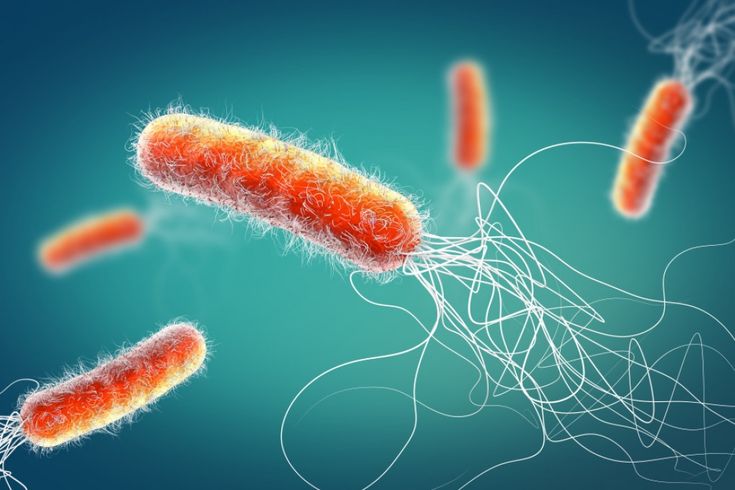
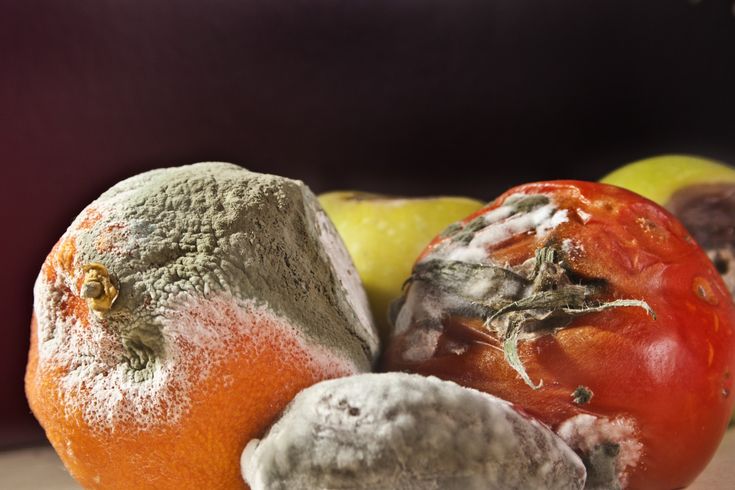
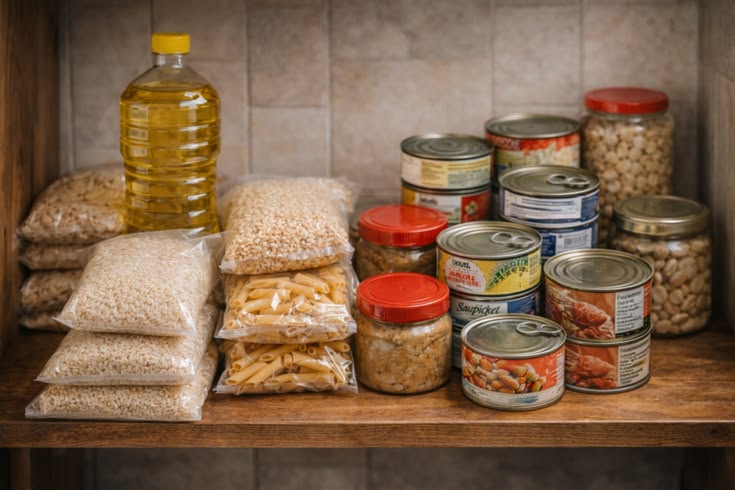
Food provides an environment that supports the growth of various microorganisms because it contains nutrients, water, and other components required for microbial survival. Bacterial contamination by organisms such as Escherichia coli, Salmonella, and Listeria monocytogenes can not only cause foodborne diseases but also accelerate product spoilage during storage.
One approach developed to control such contamination is the use of hypochlorous acid (HOCl) as an antimicrobial agent. HOCl has attracted attention in the food industry because of its broad-spectrum antimicrobial activity and its potential to reduce microbial contamination without significantly altering food product characteristics when used under appropriate conditions.
Table of Content:
- Understanding HOCl and Its Antimicrobial Mechanism
- Applications of HOCl in Controlling Foodborne Microorganisms
- Factors Affecting HOCl Effectiveness and Its Limitations
Understanding HOCl and Its Antimicrobial Mechanism
HOCl is an active chlorine compound that can be produced through the electrolysis of salt solutions or the reaction of chlorine with water. In the food industry, HOCl is commonly associated with applications involving slightly acidic electrolyzed water (SAEW), which is produced through electrolysis and has a pH of approximately 5.0–6.5. Under these conditions, HOCl is the predominant form of free chlorine and plays an important role in antimicrobial activity.
The antimicrobial properties of HOCl are associated with its strong oxidizing capacity. It can react with various microbial cell components, including proteins, enzymes, and cell membranes, thereby disrupting metabolic functions and compromising cell structural integrity.
This mechanism enables HOCl to inactivate various microorganisms, including pathogenic bacteria and food spoilage bacteria.
Read Also:
Understanding the Dangers of Bacillus cereus in Food and How to Control It
Applications of HOCl in Controlling Foodborne Microorganisms
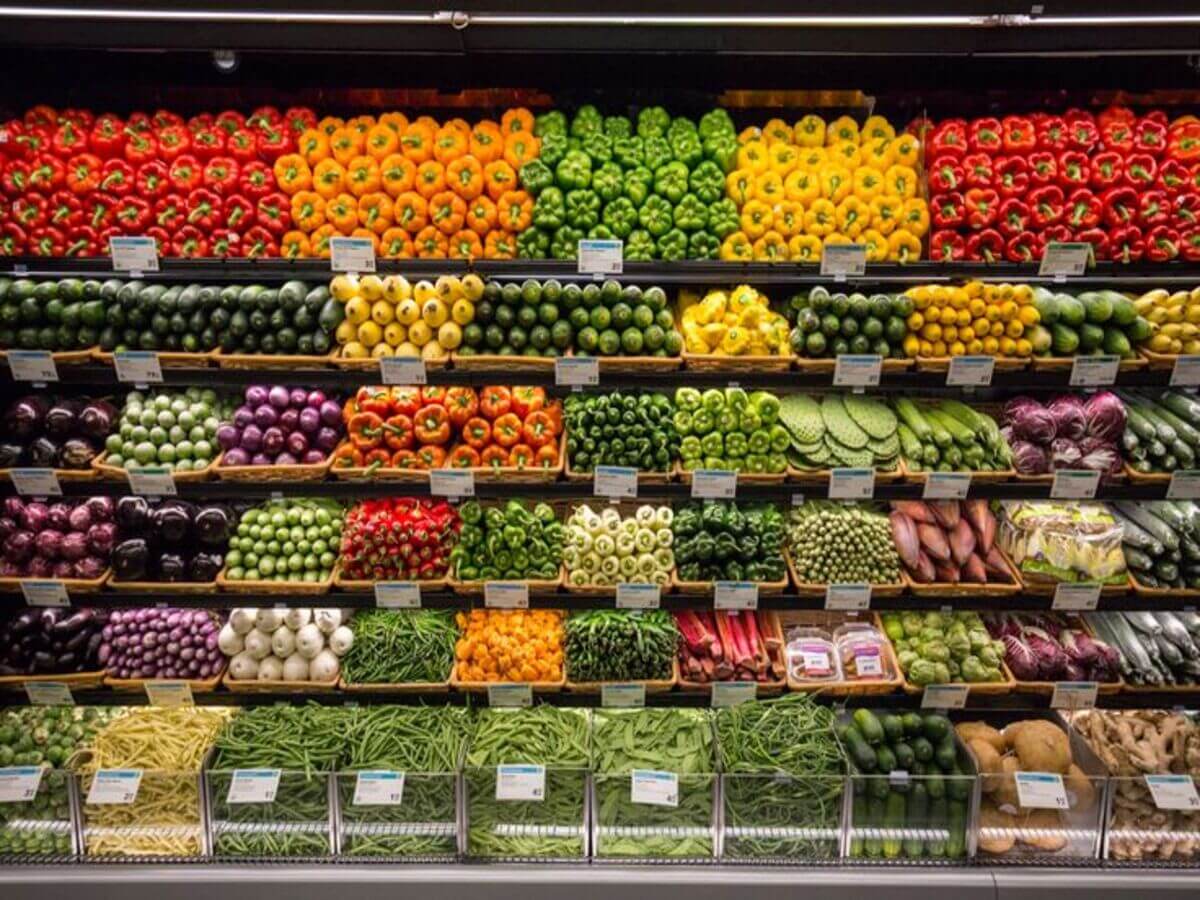
HOCl has the potential to reduce microbial contamination in various food products, particularly fresh fruits and vegetables. Studies on electrolyzed water have shown that this treatment can help control bacteria and fungi responsible for postharvest diseases, potentially preserving product quality and extending shelf life.
However, its effectiveness may vary depending on the type of commodity and its surface characteristics. In meat and poultry products, HOCl has also been investigated for controlling pathogenic bacteria such as E. coli O157, Salmonella, and L. monocytogenes.
Nevertheless, its effectiveness may vary between meat products and food-contact surfaces, highlighting the importance of appropriate application conditions. The use of HOCl is also of interest to the seafood industry because seafood products are highly susceptible to spoilage caused by microbial activity.
Studies have indicated that electrolyzed oxidizing water has the potential to reduce contamination by pathogenic bacteria such as Vibrio parahaemolyticus, E. coli, and L. monocytogenes, while also helping control spoilage bacteria. This application may support the maintenance of seafood freshness and shelf life, although it cannot replace the need for temperature control during storage.
Factors Affecting HOCl Effectiveness and Its Limitations
The effectiveness of HOCl depends not only on its concentration but also on factors such as pH, contact time, temperature, and the presence of organic matter. Proteins, fats, and residual food tissues can react with active chlorine, reducing the amount of HOCl available to interact with microorganisms.
This explains why results obtained from bacterial suspension tests may differ from those observed during direct application to food products. In addition to its antimicrobial activity, the use ofhypochlorous acid requires consideration of its potential effects on product quality, including color, aroma, texture, and nutritional content.
Solution stability during storage is another important consideration because changes in pH, light exposure, and environmental conditions can affect the concentration of active chlorine. Therefore, efficacy and safety testing should be conducted using the relevant food products under actual conditions of use.
Contact IML Testing and Research for Food Safety Validation
Need microbiological testing for your products? IML Testing and Research is ready to support your needs with microbiological testing services tailored to industrial and research applications.
Author: Dherika
Editor: Lina
References
Dewi, F. R., Stanley, R., Powell, S. M., & Burke, C. M. (2017). Application of electrolysed oxidising water as a sanitiser to extend the shelf-life of seafood products: a review. Journal of food science and technology, 54(5), 1321–1332. https://doi.org/10.1007/s13197-017-2577-9.
Issa-Zacharia, A. (2024). Application of slightly acidic electrolyzed water as a potential sanitizer in the food industry. Journal of Food Quality, 2024, Article 5559753. https://doi.org/10.1155/2024/5559753.
Saxena, J. (2024). Application of electrolysed water in post-harvest treatment of fruits and vegetables. Sustainable Food Technology, 2, 281–291. https://www.sciencedirect.com/org/science/article/pii/S2753809524000206.
Veasey, S., & Muriana, P. M. (2016). Evaluation of Electrolytically-Generated Hypochlorous Acid (‘Electrolyzed Water’) for Sanitation of Meat and Meat-Contact Surfaces. Foods, 5(2), 42. https://doi.org/10.3390/foods5020042.