Cosmetic Product Irritation Testing: The Key to Maintaining Safety for Sensitive Skin and Preventing Skin Barrier Damage

Sensitive skin has become an important concern in the beauty industry. According to a scientific review published in Frontiers in Medicine in 2022, the prevalence of sensitive skin has been reported to reach approximately 60–70% among women and 50–60% among men across various populations studied.
Given these remarkably high incidence rates, launching a cosmetic formulation into the market without rigorous product irritation testing is a fatal business risk for brand owners. These figures indicate that skin sensitivity is relatively common, although its prevalence may vary depending on the population and research methods used.
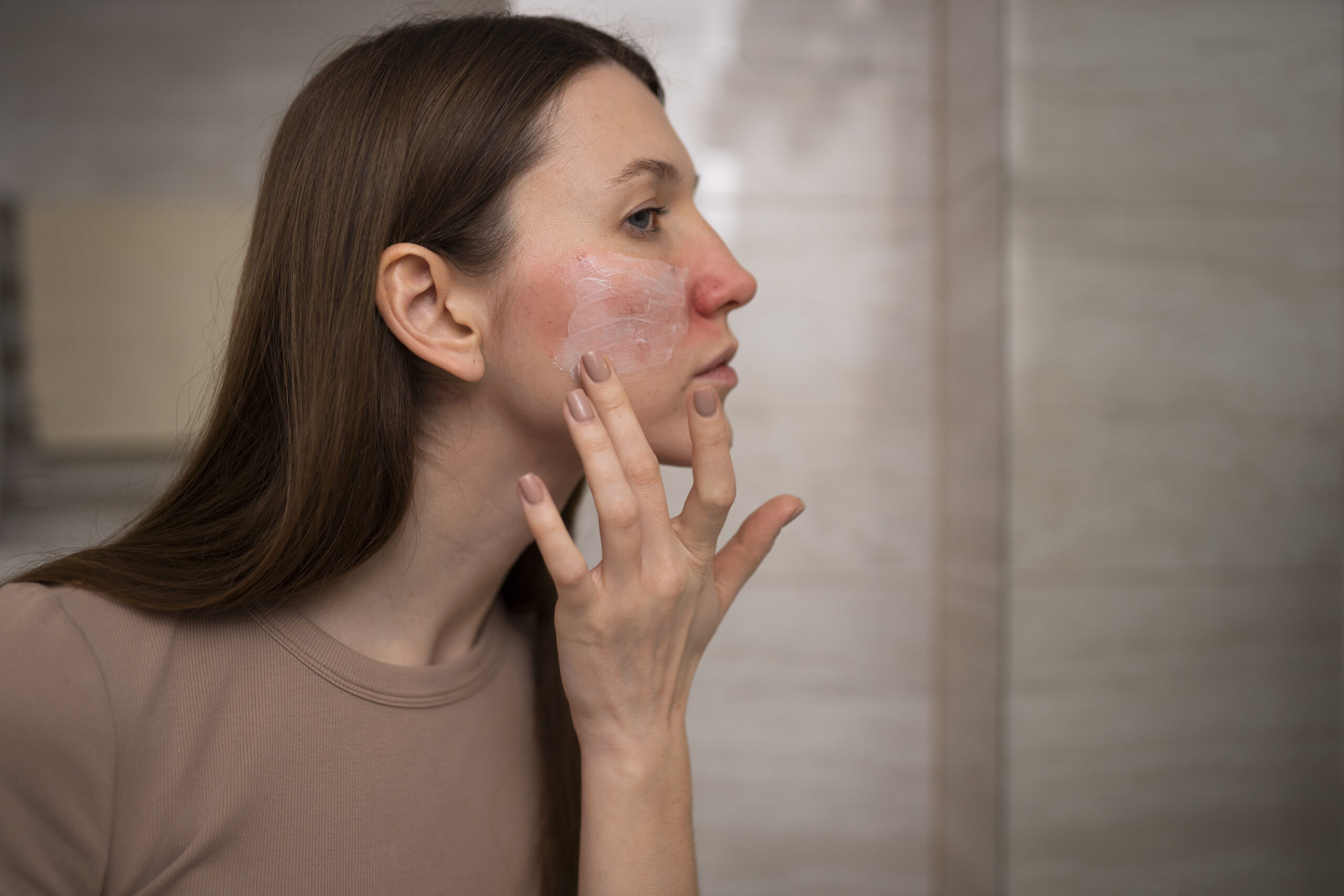
Sensitive skin is typically characterized by stinging, itching, burning, or tightness after using certain products or being exposed to environmental factors. Some individuals may also experience redness, dryness, and peeling. Unlike normal skin, which generally tolerates everyday environmental exposure without excessive reactions, sensitive skin is more prone to discomfort.
However, sensitive skin is not necessarily a permanent condition, as its level of sensitivity can change over time. This condition is closely related to the skin barrier, the outermost protective layer of the skin that helps retain moisture while protecting against irritants, allergens, and microorganisms.
A healthy skin barrier helps maintain water within the skin and limits the penetration of potentially harmful substances. It is no surprise that the term has become increasingly prominent in the beauty industry, as a damaged skin barrier can leave the skin drier, more reactive, and more susceptible to inflammation.
Table of Content:
- Internal and External Factors That Cause Skin Barrier Damage
- Skincare and Makeup Products: Benefits Must Be Balanced with Safety
- Product Irritation Testing: An Essential Step for Manufacturers and Consumers
Internal and External Factors That Cause Skin Barrier Damage
Skin barrier damage and sensitive skin can be influenced by both internal and external factors. Internally, genetics, hormonal changes, age, skin conditions such as eczema, and immune system responses can affect the skin’s resilience.
Sensitive skin has become an important concern in the beauty industry. According to a scientific review published in Frontiers in Medicine in 2022, the prevalence of sensitive skin has been reported to reach approximately 60–70% among women and 50–60% among men across various populations studied.
When the skin’s protective function weakens or its inflammatory response increases, the skin may become more reactive to certain exposures. External factors include ultraviolet radiation, air pollution, temperature changes, low humidity, and the use of hot water or harsh cleansers, making rigorous product irritation testing an essential step to ensure safety and prevent adverse reactions.
Excessive rubbing and overly frequent exfoliation can also disrupt the skin’s protective layer. When these exposures occur repeatedly, they can increase water loss from the skin and make it more vulnerable to irritation, which is why rigorous product irritation testing is an essential step to ensure formulation safety and prevent adverse reactions.
Read Also:
3 Benefits of Panthenol for the Skin Barrier and the Importance of Laboratory Testing
Skincare and Makeup Products: Benefits Must Be Balanced with Safety
Skincare and makeup products can also trigger irritation when their formulations are unsuitable for an individual’s skin condition or contain ingredients that the user cannot tolerate. Active ingredients such as exfoliating acids and retinoids, for example, may cause irritation when used at inappropriate concentrations, frequencies, or application methods, underscoring why rigorous product irritation testing is an essential step to ensure formulation safety and prevent adverse reactions.
Fragrances, certain preservatives, and other ingredients may also trigger reactions in susceptible individuals. This means that even ingredients considered safe when used in accordance with applicable regulations may not be suitable for everyone.
Therefore, product safety should not be judged solely by promised benefits or popularity, which is why rigorous product irritation testing remains an essential step to ensure formulation safety and prevent adverse reactions. Manufacturers need to ensure that product formulations, ingredient concentrations, and quality meet applicable safety requirements.
Claims such as “safe for sensitive skin” or “dermatologically tested” should be supported by relevant testing evidence rather than used merely as marketing strategies. Product irritation testing can help assess a product’s potential to cause skin reactions, while ingredient and quality evaluations help determine whether the product meets established requirements.
Product Irritation Testing: An Essential Step for Manufacturers and Consumers
One way to reduce the risk of skin reactions is to conduct safety and product irritation testing before a product is released to the market. Such testing helps manufacturers evaluate a product irritation testing potential and support safety claims with scientific evidence.
Assessments should also cover ingredient quality, potential contamination, and compliance with applicable regulations. Testing conducted by qualified professionals or competent laboratories can help manufacturers make informed decisions before launching their products.
From the consumer’s perspective, conducting a self-test or patch test before trying a new product is also important. Apply a small amount of the product to a limited area of skin that is easy to monitor, such as the inner forearm or the inner elbow. Follow the instructions on the product packaging.
If no specific instructions are provided, dermatology guidance recommends testing a small area twice daily for 7–10 days. Watch for signs such as redness, itching, swelling, burning, or stinging. Discontinue use if a reaction occurs. This self-test does not guarantee that a product is completely safe and does not replace professional testing.
If your skin is currently inflamed or you have a history of severe allergies, consult a dermatologist before trying a new product.
Ensure Product Safety Before Use and Market Release
Beauty products should not prioritize results and trends at the expense of safety. Safety must be considered throughout the entire process, from product development to consumer use.
To support this commitment, manufacturers can conduct product irritation testing at IML Testing & Research. Ensure that the products you develop or use undergo appropriate evaluations so that skincare delivers not only the promised benefits but also prioritizes consumer safety.
Contact the team of experts at IML Testing and Research today for a free consultation regarding your cosmetic testing needs.
Author: Delfia
Editor: Lina
References
Fluhr, J. W., Moore, D. J., Lane, M. E., Lachmann, N., & Rawlings, A. V. (2024). Epidermal barrier function in dry, flaky and sensitive skin: A narrative review. Journal of the European Academy of Dermatology and Venereology, 38(5), 812–820. https://doi.org/10.1111/jdv.19745.
Wollenberg, A., & Giménez-Arnau, A. (2022). Sensitive skin: A relevant syndrome, be aware. Journal of the European Academy of Dermatology and Venereology, 36(Suppl. 5), 3–5. https://doi.org/10.1111/jdv.17903.