


Red K10 Dye Found in Cosmetics: How Is Its Safety Evaluated?
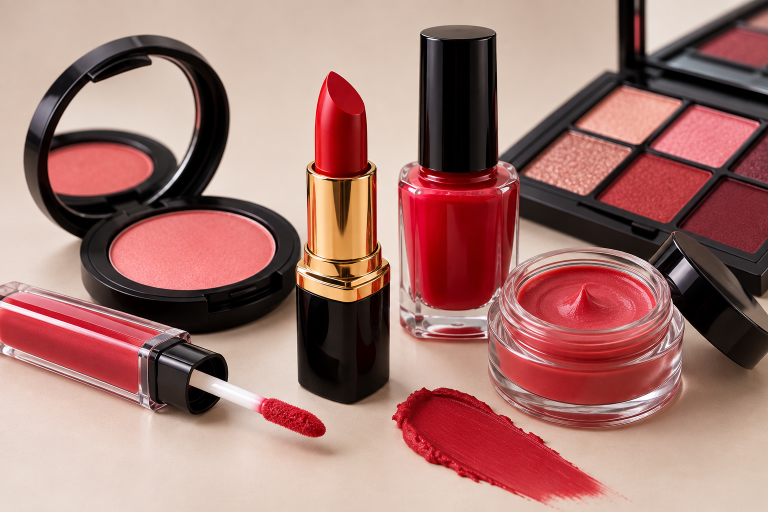
Learn about Red K10 dye in cosmetics, its potential risks, and laboratory methods such as TLC, UV-Vis, and HPLC used to detect the compound.

Learn about Red K10 dye in cosmetics, its potential risks, and laboratory methods such as TLC, UV-Vis, and HPLC used to detect the compound.
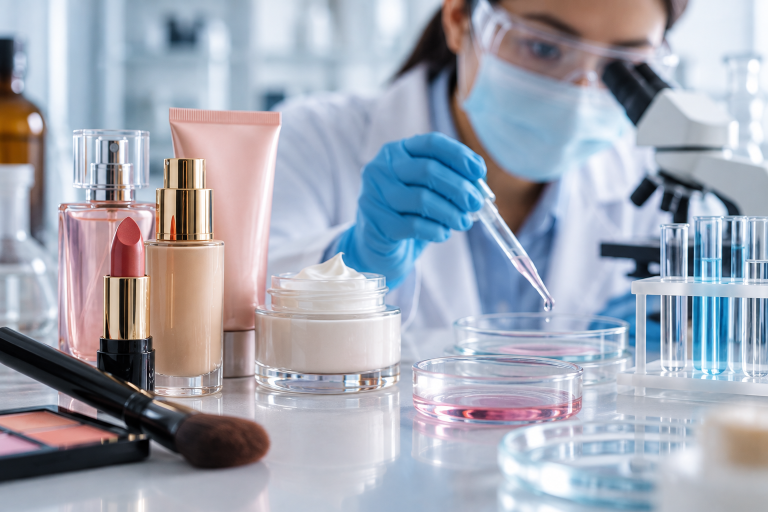
BPOM has found dangerous cosmetics again. Learn why laboratory testing is important for evaluating cosmetic ingredients, quality, and safety before market release.
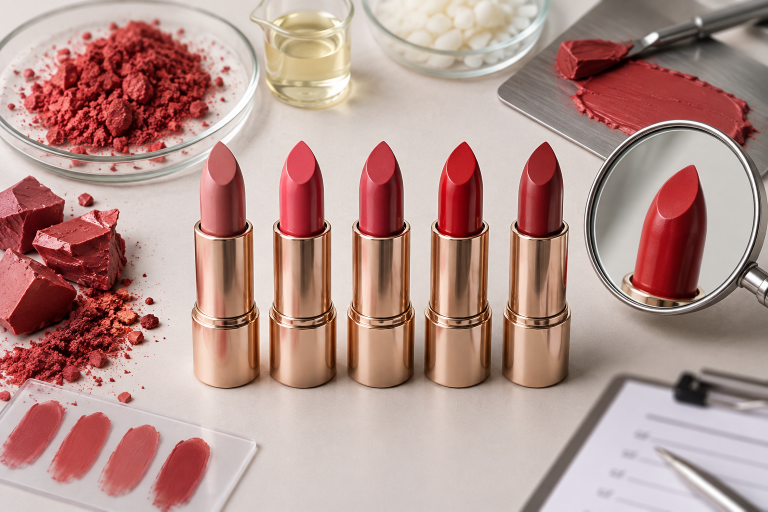
Discover what causes lipstick color variations between batches, including pigments, manufacturing conditions, raw materials, stability, and storage.

Discover 7 facts about mercury in skin-lightening products, its potential health risks, and the importance of laboratory testing to detect its presence.
Discover the differences between Alpha Arbutin and Beta Arbutin, from their structures and characteristics to the role of laboratory testing in active ingredient evaluation.

Learn how to prevent microbial growth in cosmetic products through proper formulation and preservation, and discover the importance of Challenge Testing for product safety.

Discover 5 reasons why sunblock testing to evaluate UV protection and why SPF Testing is important for supporting product performance and claims.

Learn about preclinical SPF testing to evaluate sunscreen effectiveness, measure UV protection performance, and provide data to support sunscreen product claims.
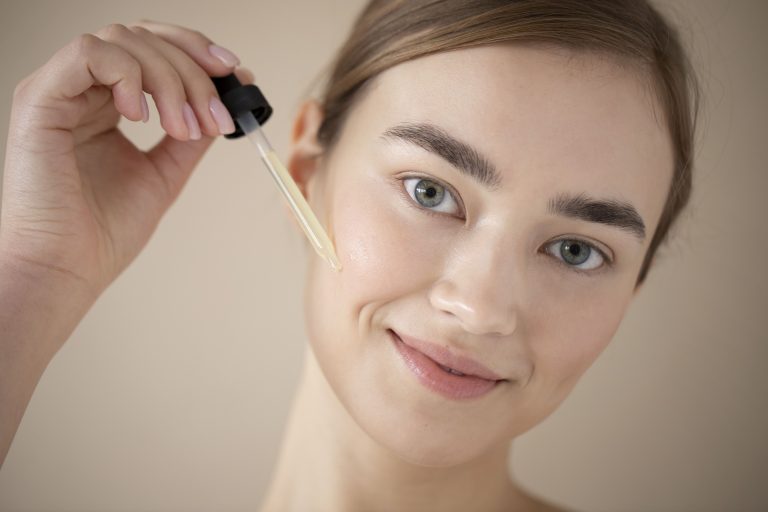
Learn why retinol serum stability testing is important and what factors can affect active ingredient quality during formulation and product storage.
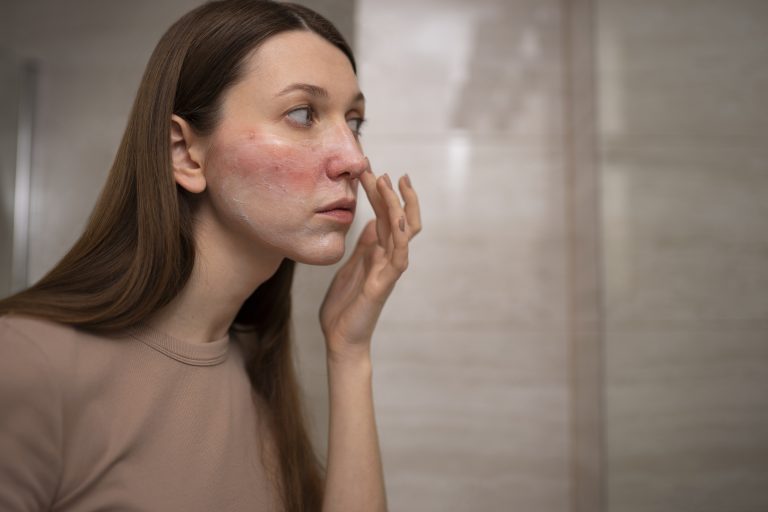
Discover 5 signs that a serum may not be suitable for your skin, from redness to irritation, and why safety testing matters in serum product development.
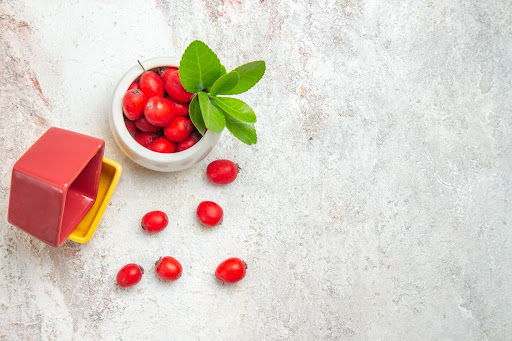
Discover the importance of Alpha Arbutin purity testing in cosmetics to evaluate its quality and content through reliable laboratory analysis.

Halal product testing helps detect the presence of non-halal materials through laboratory analysis. Learn how products are tested and why verification matters.
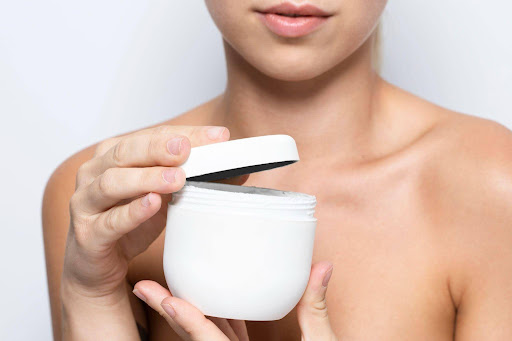
Learn about the benefits and functions of lanolin in cosmetic products, including important considerations for formulation, use, and product quality.
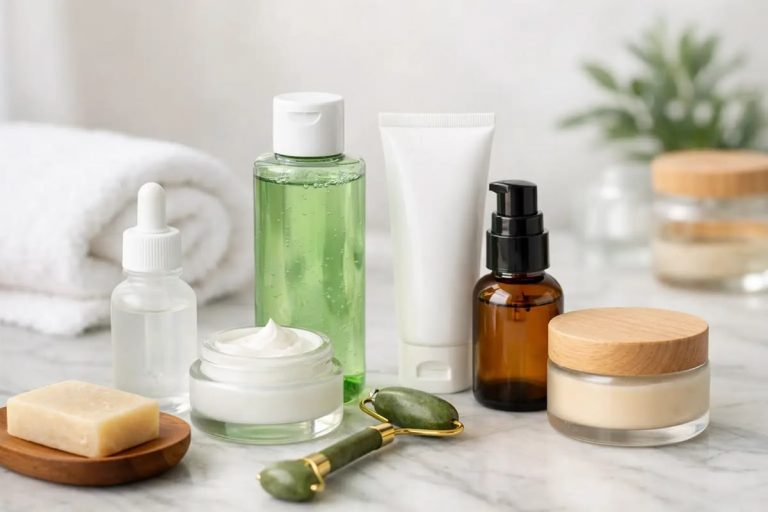
Why can a good preservative system fail the Challenge Test? Learn the factors affecting preservative efficacy and the importance of cosmetic testing.

Learn why Red K3 Dye testing is important for detecting prohibited colorants and supporting the safety and quality of cosmetic products.
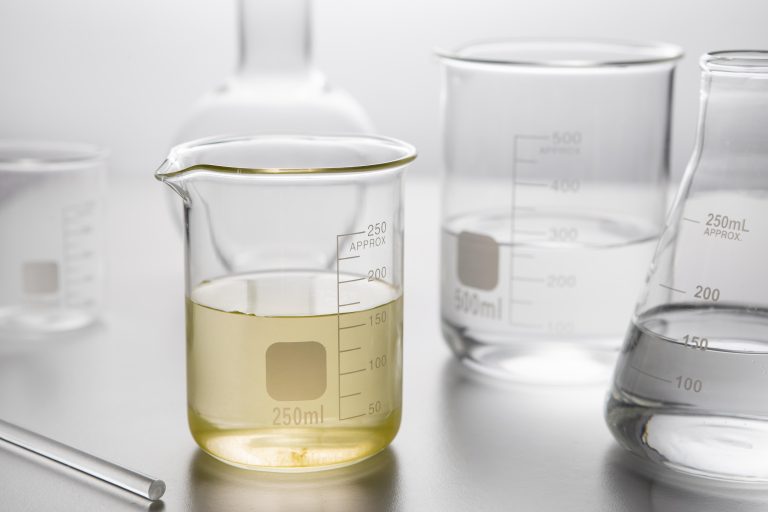
Discover why solvent residue testing is essential for verifying cosmetics product quality, safety, and compliance before market release.
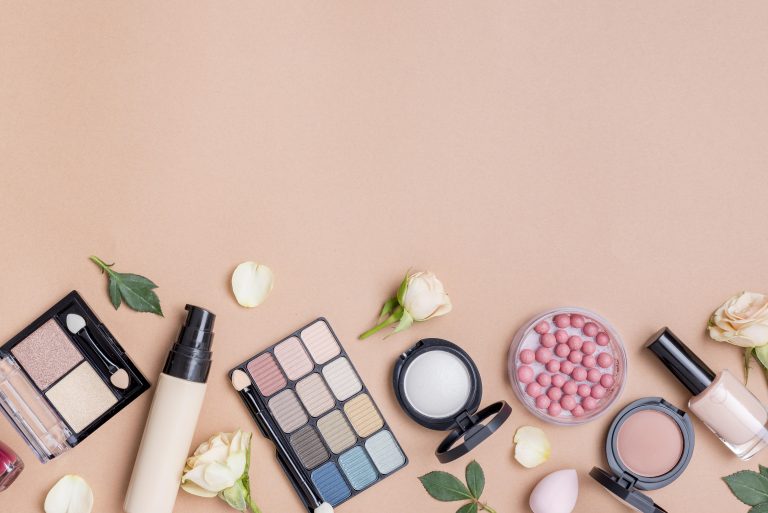
Discover three types of impurities in cosmetic products, their sources, risks, and testing methods for maintaining product quality and safety.
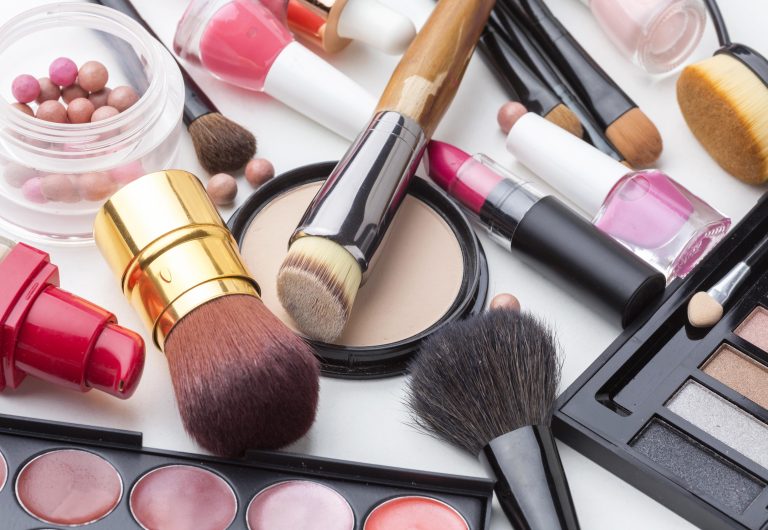
What tests are needed before cosmetic product registration with BPOM? Explore essential quality, safety, stability, and microbiological testing requirements.
Learn the meaning of cosmetic packaging logos and symbols, from halal and PAO to recycling marks, and how brands can obtain them.
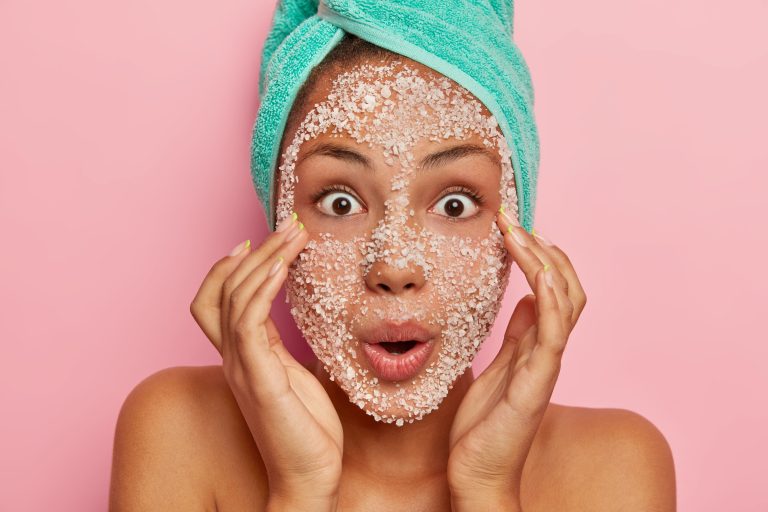
Learn the effects of over-facial exfoliation on the skin and how to choose the right exfoliating products to keep skin healthy, safe, and well cared for.