Calming Claims in Panthenol Moisturizers: Why Do Brands Need to Strategies Test Their Products?

Facial skin is constantly exposed to both internal and external influences. As a result, each individual may experience different skin conditions, including dryness, excess oil, acne, redness, and irritation.
These conditions are influenced by multiple factors that can interact with one another. Internal factors include genetics, hormonal changes, age, overall health, sleep patterns, stress levels, and nutritional intake.
While panthenol moisturizers may help maintain skin hydration and support the skin barrier, they do not directly address these underlying internal factors. For example, hormonal fluctuations can increase sebum production, making the skin oilier and more prone to acne.
Meanwhile, external factors such as exposure to sunlight, air pollution, weather changes, unsuitable cosmetic products, and excessive cleansing can disrupt the skin's natural balance. When the skin barrier becomes compromised, the skin may lose moisture more easily, resulting in dryness, sensitivity, redness, and irritation.
Therefore, maintaining skin hydration and supporting the skin barrier are essential aspects of daily skincare.
Table of Content:
- Panthenol Moisturizers as a Practical Skincare Solution
- Panthenol and the Growing Popularity of Calming Claims
- Why Do Products with Calming Claims Need to Be Tested?
Panthenol Moisturizers as a Practical Skincare Solution
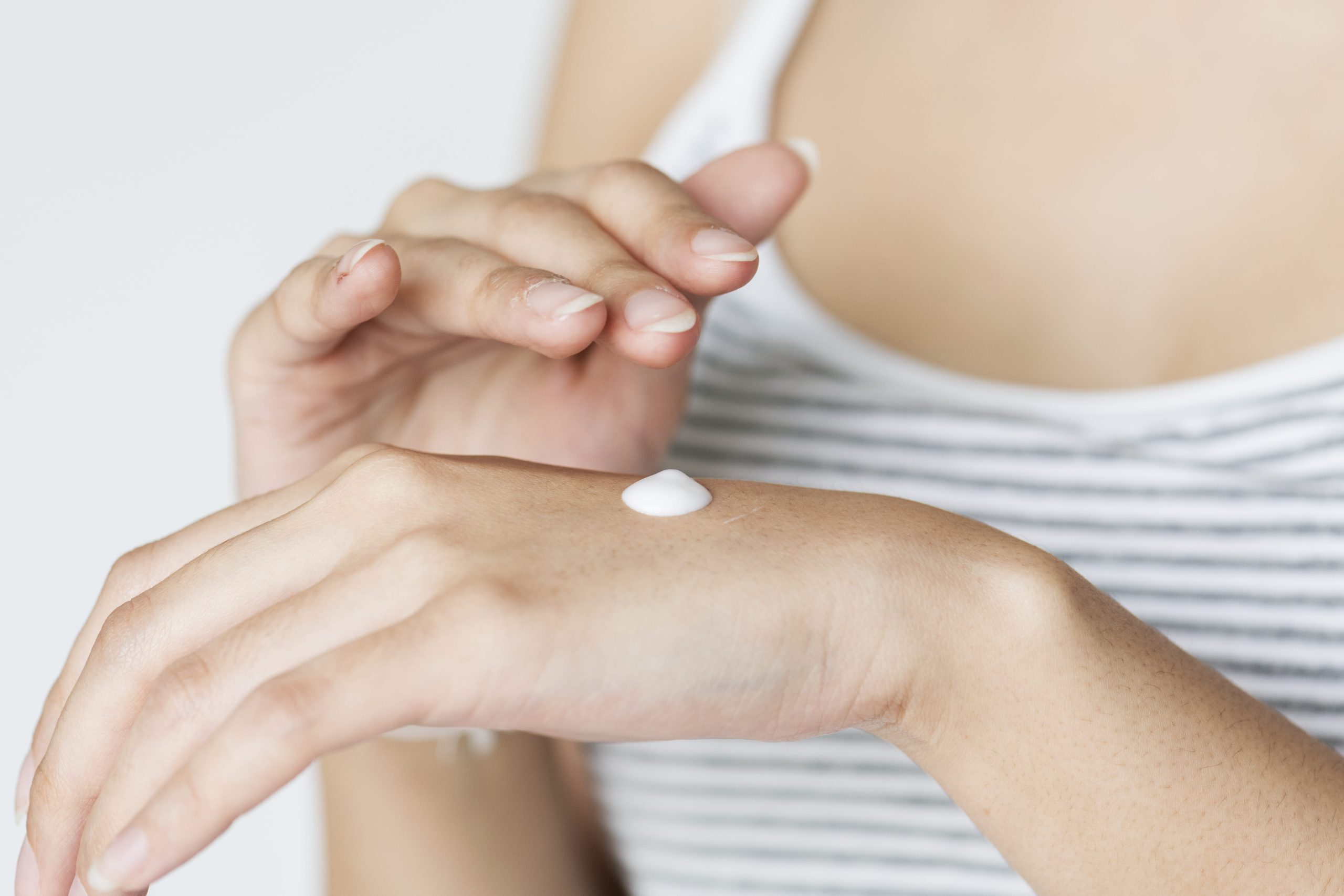
For these conditions, panthenol moisturizers is often considered a practical skincare option to help maintain skin hydration. Panthenol moisturizers work by reducing water loss and helping the skin retain moisture, resulting in a softer and more comfortable skin texture.
However, the benefits of a panthenol moisturizers are not determined solely by its brand or texture. The active ingredients contained in the formulation play a major role in providing specific skincare benefits.
Several commonly used active ingredients include hyaluronic acid, which attracts and retains water in the skin to improve hydration. Ceramides, which help strengthen the skin barrier by supporting the lipid structure of the outer skin layer. Glycerin, a humectant that helps draw moisture into the skin.
Niacinamide, which supports skin barrier function and helps regulate sebum production. Panthenol, which is widely recognized for its moisturizing and skin-soothing properties.
Read Also:
3 Benefits of Panthenol for the Skin Barrier and the Importance of Laboratory Testing
Panthenol and the Growing Popularity of Calming Claims
Panthenol is an alcohol form of vitamin B5 and is widely used in skincare and cosmetic formulations. When applied to the skin, panthenol can be converted into pantothenic acid, a form of vitamin B5 naturally involved in various biological processes.
One of panthenol's primary functions is as a humectant, helping attract and retain moisture within the skin. In addition to its moisturizing properties, panthenol is also commonly associated with soothing benefits, particularly for skin experiencing discomfort related to dryness or a weakened skin barrier.
Its mechanism of action is closely related to its ability to support skin hydration and maintain the condition of the skin's protective barrier. By helping the skin retain moisture, panthenol may contribute to a more comfortable skin condition and reduce the tendency toward dryness.
The popularity of panthenol has grown significantly as consumers become increasingly interested in gentle skincare products, especially those designed for sensitive or easily irritated skin. As a result, many brands have incorporated panthenol moisturizers and promoted products with calming, soothing, or skin barrier-supporting claims.
Why Do Products with Calming Claims Need to Be Tested?
As more panthenol moisturizers enter the market, ensuring product safety and quality consistency becomes increasingly important. Claims that a product can provide a calming effect should not rely solely on the popularity of an ingredient or consumer perception.
Brands need to conduct appropriate testing to confirm that their products contain the intended ingredients, are safe for use, and meet applicable quality standards. Several tests may be conducted, including:
- Active ingredient assay, to verify that the concentration of panthenol matches the intended formulation and specifications.
- Skin irritation testing, to evaluate the potential for redness, stinging, or other skin discomfort.
- Stability testing, to ensure product quality remains consistent throughout its shelf life.
- Microbiological testing, to confirm the product is free from harmful microbial contamination.
- Packaging compatibility testing, to ensure the packaging materials do not negatively affect product quality.
- Other safety and quality evaluations, depending on the applicable cosmetic regulations and product requirements.
Conclusion
Panthenol moisturizers offer promising benefits for skincare, particularly in maintaining hydration and supporting a more comfortable skin condition. However, the popularity of an active ingredient should not be the sole basis for building consumer trust.
As cosmetic manufacturers, brands have a responsibility to ensure that every product claim is supported by adequate quality and safety evaluations. Therefore, testing for active ingredient content, irritation, stability, microbiological safety, and other relevant parameters is an essential part of product development.
In addition, manufacturers are expected to provide supporting product safety documentation as part of their responsibility to consumers and their compliance with applicable cosmetic regulations. Through proper testing and documentation, brands can build greater consumer confidence while ensuring that their products are safe, consistent, and suitable for their intended use.
Substantiate Your Panthenol Moisturizer's Calming Claims Through Efficacy Testing
The presence of panthenol in a formulation does not automatically prove that a moisturizer delivers its claimed calming effects. Support your product claims with reliable laboratory testing data!
Through Efficacy Testing, brands can evaluate the calming performance of their moisturizers using appropriate testing methods and relevant parameters.
Contact IML Testing & Research today and discuss your panthenol moisturizers efficacy testing requirements with our team!
Author: Delfia
Editor: Lina
References
Stettler, H., Kurka, P., Lunau, N., Manger, C., Böhling, A., Bielfeldt, S., Wilhelm, K.-P., Dähnhardt-Pfeiffer, S., Dähnhardt, D., Brill, F. H. H., & Lenz, H. (2017). A new topical panthenol-containing emollient: Results from two randomized controlled studies assessing its skin moisturization and barrier restoration potential, and the effect on skin microflora. Journal of Dermatological Treatment, 28(2), 173–180. https://doi.org/10.1080/09546634.2016.1214235
Pavlačková, J., & Egner, P. (2019). In vivo efficacy and properties of semisolid formulations containing panthenol. Journal of Cosmetic Dermatology, 18(4), 1138–1145. https://doi.org/10.1111/jocd.12527