Microbial Contamination in Baby Products: Why Feeding Bottles and Pacifiers Matter?

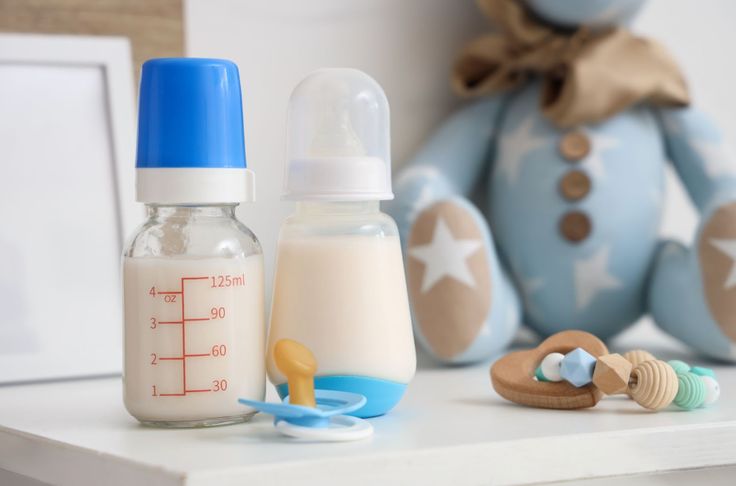
Microbial contamination in baby products, such as feeding bottles and pacifiers, requires careful attention because these items can become places where microorganisms survive and grow. If they are not properly cleaned and disinfected, their surfaces can become contaminated with bacteria, yeasts, and molds, while biofilms may form and make microorganisms more difficult to remove.
This issue deserves special attention because infants and young children have immune systems that are still developing. Therefore, preventing microbial contamination in baby products is not only a matter of maintaining cleanliness but also an important step in reducing exposure to microorganisms that may pose health risks.
Table of Content:
- Why Does Microbial Contamination in Baby Products Matter?
- Feeding Bottles: It Is Not Just About Keeping the Bottle Clean
- Pacifiers Can Also Harbor Microorganisms
- Why Is Microbial Contamination Testing Important?
Why Does Microbial Contamination in Baby Products Matter?
During early life, an infant's immune system is not yet fully developed, so the body needs time to establish a more mature immune response. Infants receive early protection through maternal antibodies transferred through the placenta and breast milk, but their immune system continues to develop as they grow.
Therefore, preventing microbial contamination in baby products, such as feeding bottles and pacifiers, is essential to reducing potential exposure to harmful microorganisms. Exposure to microorganisms from products that come into direct contact with the mouth can be a potential source of risk.
Microbial contamination in baby products, such as feeding bottles and pacifiers, has been associated with health problems, including otitis media, dental caries, and certain infections. One important concern is biofilm, a community of microorganisms that attaches to a surface and is protected by a surrounding matrix, making it more difficult to remove through routine cleaning.
Biofilms can make microorganisms more difficult to remove through routine cleaning, meaning that an object that looks clean may not necessarily be microbiologically clean.
Read Also:
Understanding the Dangers of Bisphenol and the Benefits of Using BPA Free Products
Feeding Bottles: It Is Not Just About Keeping the Bottle Clean
Feeding bottles, bottle teats, and screw caps can harbor various microorganisms. Escherichia coli (E. coli) is one of the most frequently reported contaminants, while other microorganisms that may be detected include Citrobacter, Enterobacter, Klebsiella, Serratia, Aeromonas, Vibrio, Staphylococcus aureus, Bacillus, Enterococcus faecalis, and Candida albicans.
Microbial contamination in baby products can originate from various sources, including the water used for cleaning, hands, preparation surfaces, and storage conditions. Therefore, inadequate cleaning or disinfection may allow microorganisms to survive or lead to recontamination of feeding bottles and pacifiers after the cleaning process.
Socioeconomic conditions and caregiver practices may also influence the risk of microbial contamination in baby products. Limited hygiene knowledge, poor water quality, environmental conditions, and infant formula preparation methods that do not use appropriately heated water can increase the likelihood of microorganisms surviving and contaminating feeding equipment.
Pacifiers Can Also Harbor Microorganisms
In addition to feeding bottles, pacifiers also require attention due to the risk of microbial contamination in baby products, as their surfaces can support the survival and growth of microorganisms. Latex pacifiers have been reported to be more susceptible to contamination and biofilm formation than silicone pacifiers, although both types still require regular cleaning and disinfection.
Various microorganisms have been detected on pacifiers, highlighting the risk of microbial contamination in baby products. These include Candida spp., Staphylococcus aureus, Klebsiella pneumoniae, Streptococcus spp., Enterococcus spp., Pseudomonas aeruginosa, Bacillus spp., and Citrobacter freundii.
In one study, pacifiers cleaned only with tap water were still found to harbor Streptococcus mutans, a bacterium associated with dental caries. These findings show that visual cleanliness does not always reflect the microbiological condition of a product.
Regular cleaning, appropriate disinfection, and periodic replacement of pacifiers are therefore important measures for reducing infants' exposure to microorganisms.
Why Is Microbial Contamination Testing Important?
Maintaining the safety of baby products should not rely solely on their appearance or cleaning procedures. Microbial contamination testing is important for determining whether a product meets microbiological requirements and whether potentially concerning microorganisms are present.
Microbiological testing can provide information about the overall microbial quality of a product and help detect specific groups of microorganisms. The results can also support quality control, production-process monitoring, and verification of the effectiveness of sanitation and disinfection procedures.
Ultimately, microbial contamination testing plays an important role in ensuring the safety and quality of products used by infants and young children. Products that come into direct contact with babies deserve particular attention because this population is still developing its immune defenses and may be more vulnerable to the effects of microbial exposure.
Ensure the Safety of Baby Bottles and Teats through Microbial Contamination Testing of Baby Products
Baby bottles and pacifiers that appear clean are not necessarily free from microbial contamination. Contamination may occur during manufacturing, storage, or product use.
Don't rely solely on visual appearance—evaluate the microbiological quality of your products through laboratory testing! Microbiological testing can help manufacturers obtain data on the presence and levels of microorganisms using appropriate testing parameters.
Contact IML Testing & Research today and discuss your microbial contamination testing requirements for baby bottles and pacifiers with our team!
Author: Dherika
Editor: Lina
References
Iskandar, K., Marchin, L., & Roques, C. (2026). Microbial contamination of medicines, medical devices, cosmetics, child and personal care products: a comprehensive review of secondary contamination risks in home-use settings. Front. Microbiol, 17:1836448, 1-36. doi: 10.3389/fmicb.2026.1836448.
Marege, A., Regassa, B., Seid, M., Tadesse, D., Siraj, M., & Manilal, A. (2023). Bacteriological quality and safety of bottle food and associated factors among bottle-fed babies attending pediatric outpatient clinics of Government Health Institutions in Arba Minch, southern Ethiopia. Journal of health, population, and nutrition, 42(1), 46. https://doi.org/10.1186/s41043-023-00387-1.