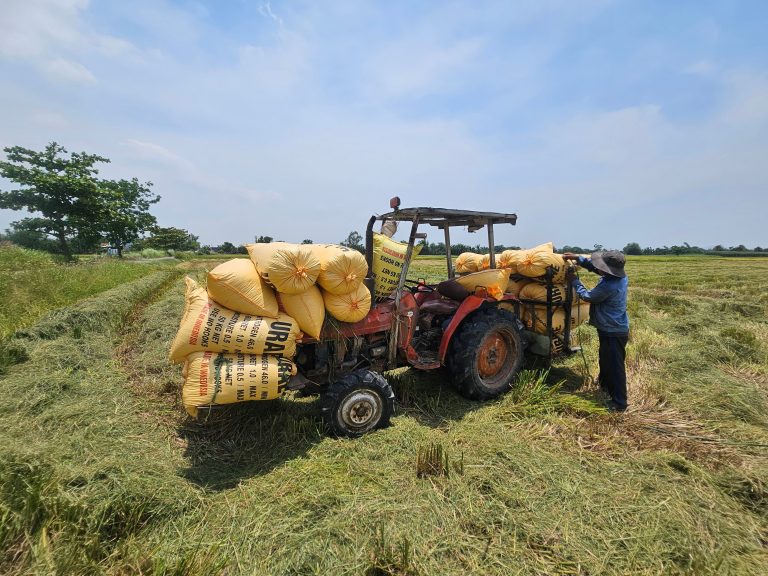
Fertilizers for Root and Tuber Crops: Ensure Quality through Strategies Laboratory Testing for Optimal Harvest Results!


Growing cassava, sweet potatoes, or taro but not getting the yield you expected? The problem might be your fertilizers choice. Tuber crops have slightly different nutrient needs compared to other plants, since their “harvest” is hidden underground.
Let's break down which fertilizers work best and how to apply them so your tubers grow bigger and healthier.
Table of Content:
- Know Which Nutrients Tubers Need Most
- NPK Compound Fertilizer: The Practical Go-To
- Don't Skip Organic Fertilizer
- Timing and Application Method Matter
- Check Your Soil Before Fertilizing
Know Which Nutrients Tubers Need Most
For tuber crops like cassava, sweet potatoes, and potatoes, Potassium (K) is the real MVP. Potassium helps with carbohydrate formation and strengthens the plant so it doesn't fall over or become vulnerable to disease.
Phosphorus (P) is just as important, since it supports tuber formation and speeds up maturation. Nitrogen (N) is still needed, but don't overdo it — too much N will give you lush leaves but small, disappointing tubers.
Read Also:
Nutrient Content Testing of Plant Fertilizers: An Important Step to Ensure Product Quality
NPK Compound Fertilizer: The Practical Go-To
One of the easiest options for tuber farmers is compound NPK fertilizer, which combines Nitrogen, Phosphorus, and Potassium in a single formula. For tuber crops, look for an NPK blend with a higher K ratio than N — something like a 15-15-20 formula — so the plant's energy goes toward bulking up the tuber instead of growing more leaves.
If you prefer single-nutrient fertilizers, you can mix Urea (for N), SP-36 (for P), and KCl (for K) yourself. This gives you more flexibility to adjust each nutrient based on your soil condition.
Don't Skip Organic Fertilizer
Chemical fertilizers work fast, but organic fertilizer like manure or compost is still essential for maintaining soil structure. Loose, porous soil makes it much easier for tubers to expand without being blocked by hard, compacted ground.
Organic matter also helps the soil retain moisture, so your plants stay resilient during dry spells. Combining organic and inorganic fertilizers has also been shown to boost yields while reducing over-reliance on chemical inputs, saving you money in the long run.
Timing and Application Method Matter
Follow the “5 rights” principle: right type, right dose, right timing, right placement, and right method. For crops like cassava or sweet potatoes, fertilization is typically done in two rounds: once at planting or a few weeks after (focused on N and P for early growth), and again during the tuber-formation stage (focused on K).
You can apply fertilizer by scattering it around the plant and covering it with soil, or by digging small holes near the root zone. Avoid placing fertilizer directly against the stem or tuber, as it can damage plant tissue.
Check Your Soil Before Fertilizing
Overly acidic soil can lock up nutrients like Phosphorus, preventing plants from absorbing them properly. Ideally, soil pH for tuber crops should sit around 5.5–6.5. If your soil is too acidic, consider applying dolomite or agricultural lime before adding NPK fertilizers.
Conclusion
The key to successful tuber crop farming lies in the right combination: NPK fertilizers with a higher Potassium ratio, organic fertilizer for healthier soil, and a fertilization schedule that hits the right timing and method. Get this balance right, and your cassava, sweet potato, or taro harvest can come out bigger, healthier, and higher quality.
Ensure Fertilizer Quality for Tuber Crops Through Laboratory Testing!
Choosing the right fertilizer is an important factor in supporting plant growth and tuber development. However, does your fertilizer's nutrient content match its claimed composition?
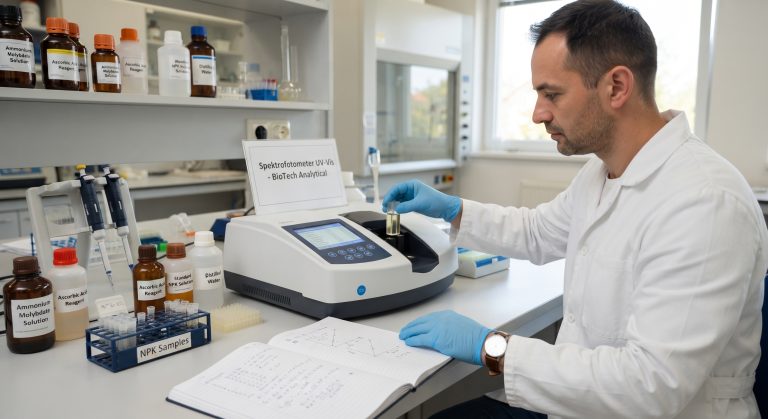
Through Chemical Analysis at IML Testing & Research, manufacturers can evaluate fertilizer nutrient content, including nitrogen (N), phosphorus (P), and potassium (K), using appropriate testing parameters.
Contact IML Testing & Research today to discuss your fertilizer quality testing needs!
Author: Fachry
Editor: Lina
References
Hartatik, W., dan Widowati, L. R. (2015). Peranan Pupuk Organik dalam Peningkatan Produktivitas Tanah dan Tanaman. Jurnal Sumberdaya Lahan, 9(2), 107–120.
Mansyur, N. I., Pudjiwati, E. H., dan Murtilaksono, A. (2021). Pupuk dan Pemupukan. Aceh: Syiah Kuala University Press.
Rajiman. (2020). Pengantar Pemupukan. Sleman, Yogyakarta: Deepublish (CV Budi Utama).
Slamet, S. (2019). Lima Tepat (5T) dalam Aplikasi Pemupukan. KATAM Terpadu Modern. Diakses dari http://cybex.pertanian.go.id
Suriadikarta, D. A., Setyorini, D., dan Hartatik, W. (2004). Uji Mutu dan Efektivitas Pupuk Alternatif Anorganik. Bogor: Balai Besar Penelitian dan Pengembangan Sumberdaya Lahan Pertanian.
Kementerian Pertanian. (2019). pH Tanah dan Ketersediaan Unsur Hara dalam Tanah. Diakses dari http://cybex.pertanian.go.id