


Why Are Day Creams and Night Creams Formulated Differently?
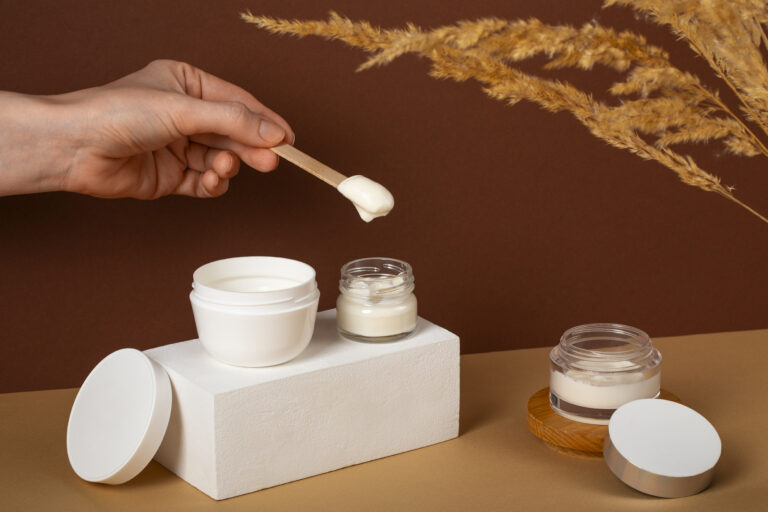
Day creams and night creams are formulated differently due to their functions, active ingredients, and stability. Learn their roles and the importance of cosmetic laboratory testing.

Day creams and night creams are formulated differently due to their functions, active ingredients, and stability. Learn their roles and the importance of cosmetic laboratory testing.

Bee venom as an active ingredient in cosmetics? Learn about the benefits, safety, and the role of laboratory testing behind cosmetic products containing the active ingredient bee venom
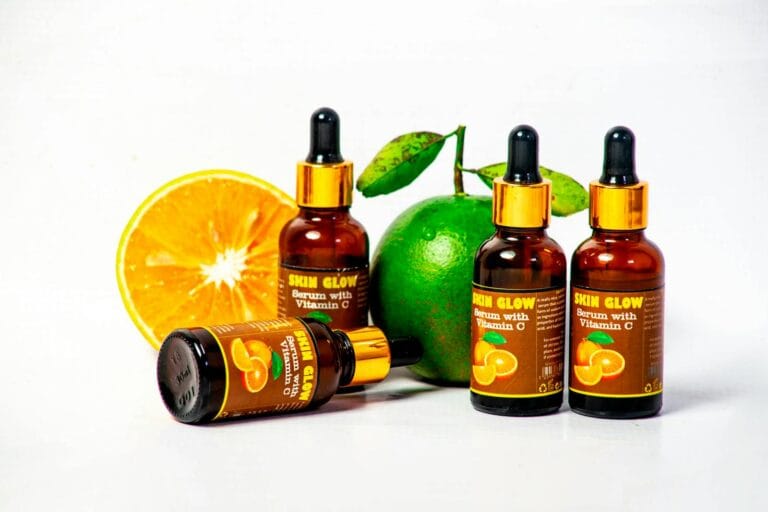
Vitamin C can brighten the skin, but is its concentration truly working optimally? This article explores the role of laboratory testing behind it.

Exfoliating serums work within the layers of the skin. How do laboratory tests ensure that AHA, BHA, and PHA concentrations remain safe and effective? Find the answer in this article.
How effective are preservatives in keeping products safe from bacteria and mold? Learn about the role of preservative effectiveness testing in product safety.

Sensitive scalps react without inflammation. How do laboratory tests ensure the safety of sensitive scalp care products and the levels of active ingredients?
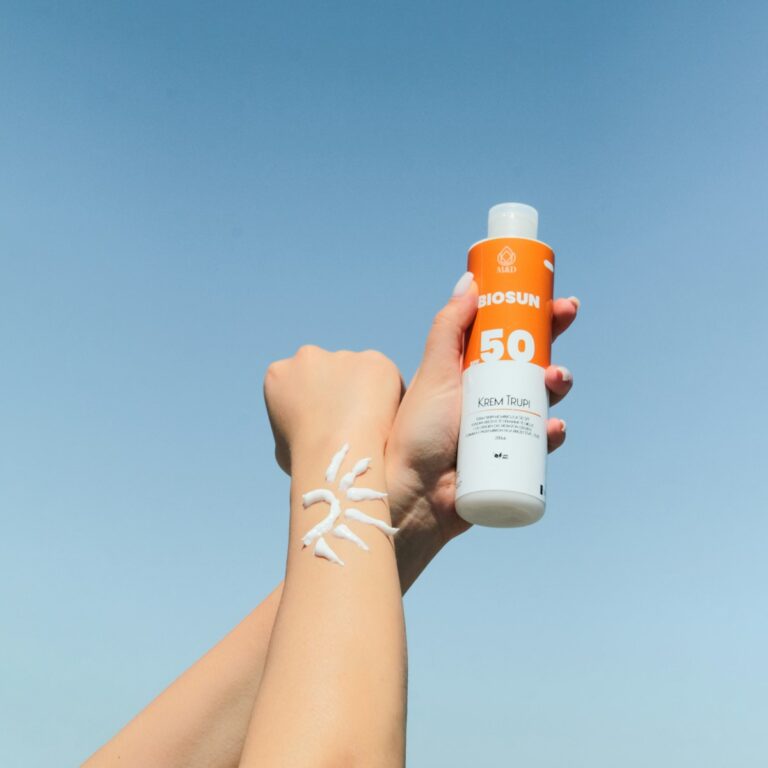
Reapplying sunscreen is important. How do laboratory tests for SPF, UVA, and UVB prove the effectiveness of its protection?
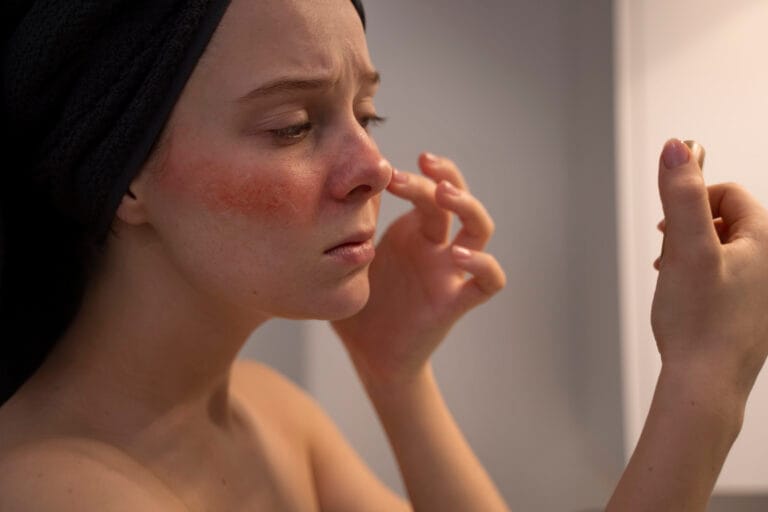
Cosmetic allergies aren't always visible. How can hidden chemicals and microbes trigger irritation and even lead to product recalls?

Laboratory testing of active skincare ingredients isn't just a formality. Why is this testing crucial to the safety, claims, and competitiveness of your products?

Exposure to blue light from gadgets has been shown to impact the skin. What role does laboratory testing play in proving protection claims in cosmetic products?

Confused about the difference between waterproof, transferproof, sweatproof, and smudgeproof? Read on for a complete explanation and the importance of cosmetic lab testing for valid claims.

Thoroughly remove makeup! Learn how micelles effectively bind oil without harsh detergents. Test your product quality in a lab!

Can stretch marks disappear completely? Learn about the causes (dermal tears due to cortisol/pregnancy), the role of tretinoin, and laser (PDL) in fading them!

Itchy scalp caused by Malassezia fungus? Learn the causes of dandruff (pityriasis capitis), oleic acid, and 3 essential steps to treat it!

Want an effective anti-dandruff shampoo? Understand that succinic acid formulations should not contain cationic compounds and the importance of testing your product's effectiveness!

Why is anti-aging essential in your 20s? Understand the five reasons (photoaging, collagen decline, stress) and the role of retinol/peptides. Put your cosmetic claims to the test!

Why should eczema sufferers bathe in water at 30°C? Check out your skincare routine for dermatitis, the role of vitamin B12, and the need for lab testing to verify gentle claims!

Questionable claims about your cosmetic products? Learn these 3 steps to ensure your product claims are trusted by consumers and pass official lab tests!

Is your brightening serum credible? Cosmetic tests prove tranexamic acid is effective in reducing dark spots. Ensure your product's safety and claims are scientifically verified!
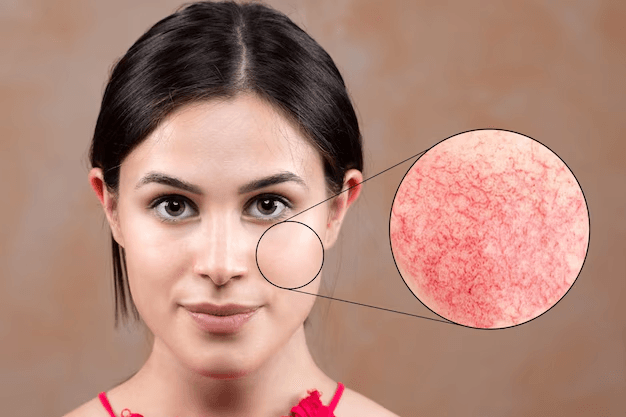
Selling skincare for Rosacea? Make sure it's safe! Check the recommended ingredients (Niacinamide/Azelaic Acid) and the importance of lab testing for sensitive skin!