BPOM Approved Whitening Moisturizer: Mandatory Laboratory Testing Requirement for Hydroquinone-Free Status

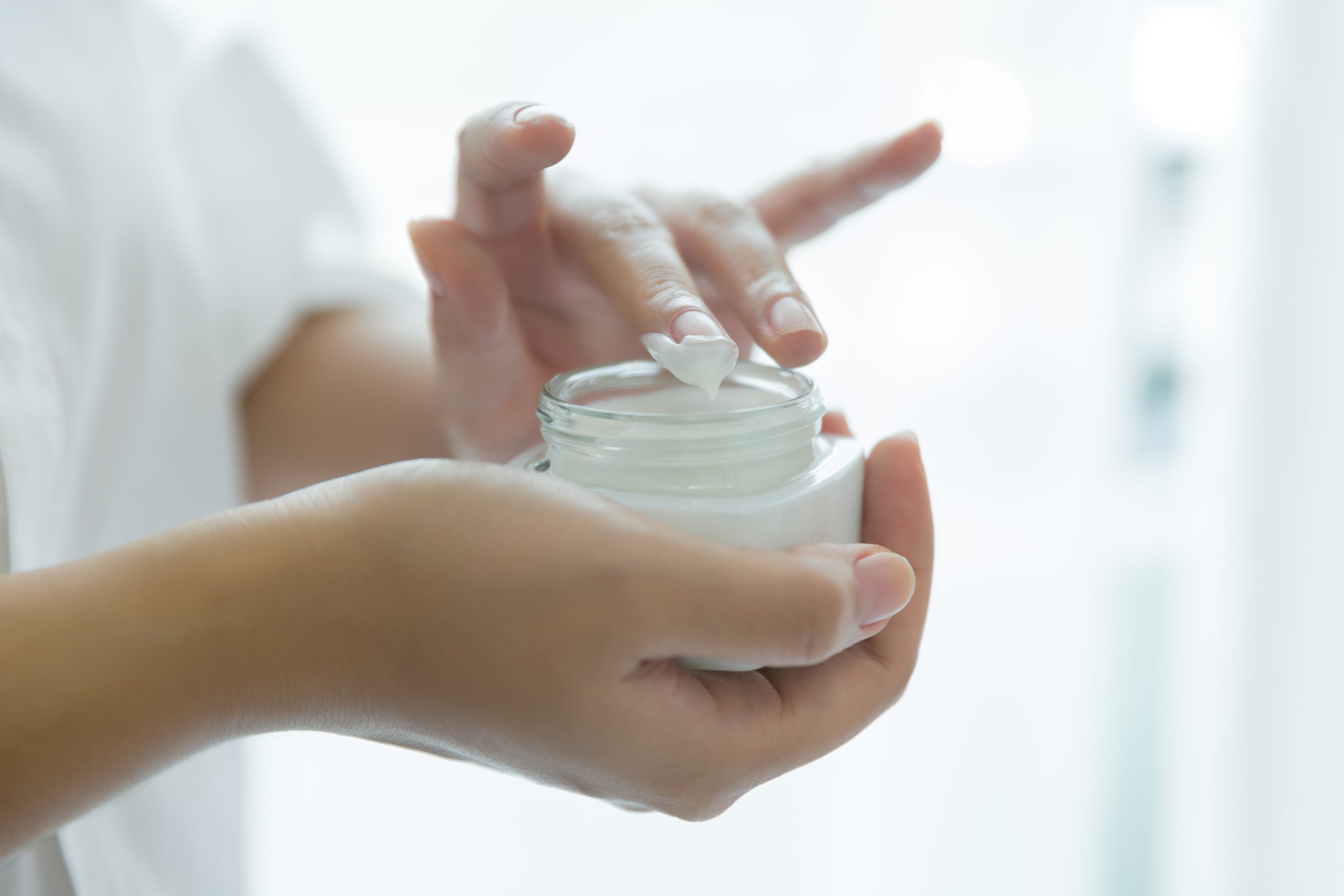
Whitening moisturizer are skincare products that combine moisturizing benefits with brightening ingredients to help reduce the appearance of dark spots, even out skin tone, and promote a brighter complexion. As public awareness of skincare continues to grow, these products have become increasingly popular and are available in a wide variety of formulations.
Indonesia is a market with considerable consumer interest in skin-brightening products, particularly whitening moisturizer. This high demand encourages manufacturers to innovate while placing greater pressure on regulatory authorities to ensure the safety and quality of cosmetic products available to the public.
However, intense market competition can also create opportunities for irresponsible manufacturers who prioritize instant results over consumer safety. One practice that deserves particular attention is the addition of harmful substances or unauthorized active ingredients in whitening moisturizer to accelerate skin-brightening effects.
A whitening moisturizer that delivers faster visible results is not necessarily a better or safer product. The inappropriate use of certain ingredients can cause skin disorders and potentially lead to long-term damage.
Table of Content:
- Hydroquinone: A Skin-Brightening Compound with Hidden Risks
- The Dangers of Hydroquinone to Skin Health
- The Roles of Manufacturers and BPOM in Ensuring Cosmetic Safety
- Laboratory Testing: An Essential Step in Ensuring Hydroquinone-Free Products
Hydroquinone: A Skin-Brightening Compound with Hidden Risks
Hydroquinone is a chemical compound that can inhibit melanin production. Melanin is the pigment responsible for skin color. In dermatology, hydroquinone is used for specific indications under appropriate medical supervision.
It works primarily by inhibiting tyrosinase, an enzyme that plays an essential role in melanin synthesis. As a result, pigment production decreases, potentially making areas affected by hyperpigmentation appear lighter.
This mechanism can produce relatively rapid changes in skin pigmentation. Consequently, some irresponsible manufacturers may be tempted to add hydroquinone to whitening moisturizer products to deliver immediate results and increase their market appeal.
However, its effectiveness does not mean that hydroquinone is suitable for unrestricted use in cosmetics. In Indonesia, hydroquinone is prohibited as a skin-whitening moisturizer ingredient in cosmetics under the applicable regulations of the National Agency of Drug and Food Control (BPOM).
Read Also:
HPLC for Hydroquinone Testing: How Do Laboratories Determine Its Concentration?
The Dangers of Hydroquinone to Skin Health
Inappropriate hydroquinone use in a whitening moisturizer can cause redness, irritation, burning sensations, dryness, and inflammation. Damage to the skin barrier can also make the skin more vulnerable to environmental factors, including sunlight exposure.
Although these reactions should be distinguished from clinical photosensitivity, irritation and inflammation caused by inappropriate use may worsen the skin’s response to environmental exposure. Long-term exposure, particularly through uncontrolled use, has also been associated with exogenous ochronosis, a condition characterized by bluish-black or grayish-blue skin discoloration that can be difficult to treat.
Furthermore, inflammation may trigger post-inflammatory hyperpigmentation, causing the skin to appear darker rather than brighter. Therefore, using unauthorized skin-brightening ingredients may produce effects that directly contradict the original purpose of skincare.
The Roles of Manufacturers and BPOM in Ensuring Cosmetic Safety
Manufacturers are responsible for developing safe formulations, selecting compliant raw materials, and verifying product quality through appropriate testing. Education regarding cosmetic regulations is essential to prevent manufacturers from using prohibited substances to achieve rapid skin-brightening results.
Meanwhile, BPOM oversees cosmetic products by monitoring regulatory compliance, supervising products already on the market, and taking action against violations. Cosmetic notification is not merely an administrative formality; it is part of a regulatory system designed to protect consumers from products that fail to meet applicable safety and quality requirements.
Laboratory Testing: An Essential Step in Ensuring Hydroquinone-Free Products
One method for detecting hydroquinone in whitening moisturizers is laboratory testing using validated analytical techniques, such as high-performance liquid chromatography (HPLC). Depending on the validated method, this testing can identify the presence of hydroquinone and determine its concentration in a sample.
Analytical results provide objective evidence that cannot be replaced by simply examining a product’s color, fragrance, texture, or marketing claims. Laboratory testing is important for verifying formulation compliance, supporting quality control, and helping prevent the distribution of products containing prohibited substances.
Testing must be conducted using appropriate methods, with results interpreted correctly to ensure that the conclusions are scientifically reliable and defensible.
Conclusion: Making Safety the Top Priority
Ensuring that whitening moisturizers are free from hydroquinone prohibited in cosmetics is an important step toward protecting consumer health. Although laboratory testing is not the sole requirement for obtaining BPOM cosmetic notification, relevant analytical testing is a crucial part of demonstrating product compliance with applicable regulations.
Responsible manufacturers must do more than pursue brighter skin; they must ensure that every product meets the required standards of safety, quality, and regulatory compliance.
Don’t Risk BPOM Rejection! Test for Hydroquinone at IML Testing and Research Now!
The discovery of illegal hydroquinone in your whitening moisturizer will not only result in immediate BPOM rejection but also trigger massive product confiscations and permanently destroy your brand’s reputation.
Stop taking fatal risks with unvalidated formulations. Prove that your brightening product is 100% safe and legally compliant through high-level analytical testing at our independent laboratory, IML Testing and Research. We deliver precise, rapid, and regulatory-recognized data to ensure your cosmetic product launches without legal hurdles.
Author: Delfia
Editor: Lina
References :
Andersen, F. A., Bergfeld, W. F., Belsito, D. V., Hill, R. A., Klaassen, C. D., Liebler, D. C., Marks, J. G., Jr., Shank, R. C., Slaga, T. J., & Snyder, P. W. (2010). Final amended safety assessment of hydroquinone as used in cosmetics. International Journal of Toxicology, 29(6_suppl), 274S–287S. https://doi.org/10.1177/1091581810385957
Ishack, S., & Lipner, S. R. (2022). Exogenous ochronosis associated with hydroquinone: A systematic review. International Journal of Dermatology, 61(6), 675–684. https://doi.org/10.1111/ijd.15878