What Are the Different Types of Pesticides? Learn Their Functions and Uses

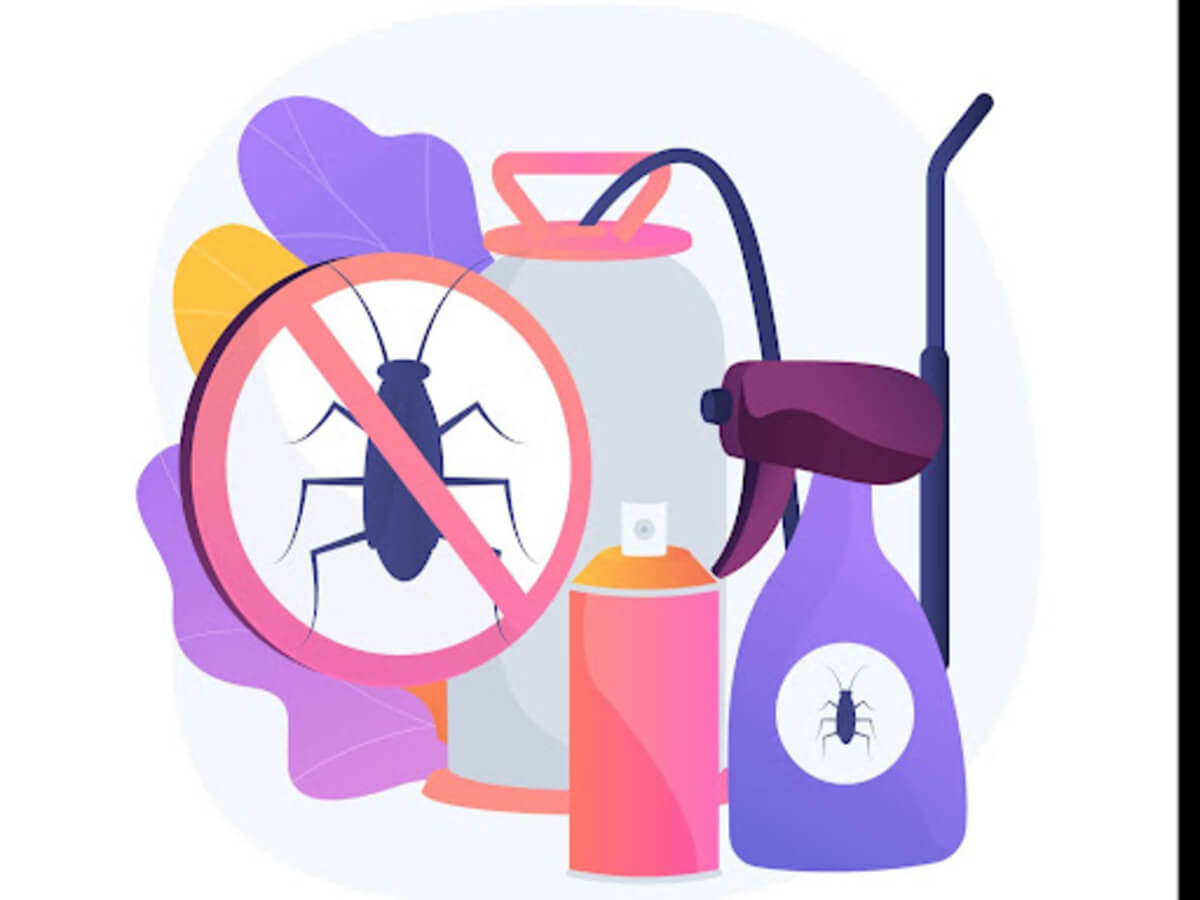
Pesticides are widely used to control harmful organisms in agriculture, residential areas, and commercial facilities. When used correctly, pesticides can help reduce pest populations, prevent crop damage, and maintain hygiene in buildings.
However, not all pesticides serve the same purpose. The various types of pesticides are designed to target specific organisms and may work through different mechanisms.
Understanding the different types of pesticides is essential for selecting the right product for a particular pest problem. Proper selection should consider the target organism, application area, product effectiveness, and potential risks to humans and the environment.
Table of Content:
- What Are Pesticides?
- 7 Types of Pesticides Based on Their Functions and Uses
- How to Choose the Right Pesticide
What Are Pesticides?
Pesticides are substances or mixtures used to prevent, control, repel, attract, or eliminate unwanted organisms. These organisms may include insects, rodents, weeds, fungi, and other pests that cause damage or pose risks to human health and the environment.
The different types of pesticides can be classified according to their target organisms, modes of action, formulations, and active ingredients. Understanding these classifications helps users select appropriate products while reducing unnecessary pesticide applications.
Read Also:
The Health Impacts of Pesticide Residues: Risks You Should Be Aware Of
7 Types of Pesticides Based on Their Functions and Uses
1. Insecticides
As one of the most common types of pesticides, insecticides are used to control insects. They are commonly applied against pests such as mosquitoes, cockroaches, ants, flies, bed bugs, and crop-damaging insects.
These types of pesticides work through various mechanisms, including disrupting the insect nervous system or interfering with its growth and development. Some products act through direct contact, while others work when ingested by the target insect.
In residential pest control, these types of pesticides may be applied through spraying, baiting, or other methods specified on the product label. The appropriate formulation and application method depend on the target insect, treatment area, and potential exposure risks to building occupants.
2. Rodenticides
Rodenticides are types of pesticides used to control rodents, particularly rats and mice. These pests can damage food supplies, electrical cables, and building infrastructure. They may also carry pathogens that can cause diseases in humans and animals.
Rodenticides are commonly available in bait formulations containing specific active ingredients. Like other types of pesticides, their use requires careful handling because these products can also harm humans, pets, and non-target wildlife.
Effective rodent control should combine rodenticide use with proper waste management, exclusion of entry points, appropriate food storage, and monitoring of rodent activity. This integrated approach helps reduce reliance on chemical control methods, including various types of pesticides.
3. Herbicides
Herbicides are types of pesticides used to control unwanted plants, commonly known as weeds. They are widely used in agriculture, plantations, landscaping, and outdoor maintenance.
Based on their mode of action, herbicides can be classified as selective or non-selective. Selective herbicides target particular groups of plants, while non-selective herbicides can damage a broad range of plants that come into contact with the product.
Herbicides may also be classified according to how they are absorbed, such as through leaves or other plant tissues. Their application should consider the weed species, environmental conditions, and product instructions. Improper use can damage desirable plants and increase the risk of soil and water contamination.
4. Fungicides
Fungicides are pesticides used to control fungi that cause plant diseases. Fungal infections can result in leaf spots, fruit rot, powdery mildew, and root damage.
Fungicides work by inhibiting fungal growth or development through specific mechanisms. Some fungicides provide protective activity before infection occurs, while others can act against certain stages of an established infection.
Selecting the appropriate fungicide requires accurate identification of the disease-causing organism. Repeated use of the same active ingredient can also increase the risk of resistance in fungal pathogens. Therefore, disease management should combine suitable fungicides with other appropriate control methods.
5. Acaricides
Acaricides are pesticides used to control mites and, in certain applications, ticks. Mites can attack plants and cause leaf damage, while ticks may be found on animals and in specific environments.
Although some mites are extremely small and difficult to see, their presence can cause significant damage. Acaricides are designed to control these target organisms, but their effectiveness depends on the species involved, active ingredient, and application method.
Users should ensure that the selected product is registered and approved for its intended use. Not all products designed to control mites are suitable for application on animals or inside buildings.
6. Nematicides
Nematicides are pesticides used to control nematodes, which are microscopic, worm-like organisms. Certain nematode species attack plant roots and interfere with the absorption of water and nutrients, resulting in poor plant growth.
Nematicides are primarily used in agriculture and plantations. Their mechanisms of action vary depending on the active ingredient and formulation.
Because some nematicides have significant toxicity risks, their use must follow product instructions and applicable regulations. Nematode management can also include crop rotation, resistant plant varieties, sanitation, and appropriate cultivation practices.
7. Termiticides
Termiticides are pesticides used to control termites. Termites can damage wooden structures, furniture, door frames, and other building components containing cellulose.
Because termite damage is often hidden, early detection and control are important. Termiticides may be applied through soil treatment, targeted application to building components, or other methods depending on the product and infestation conditions.
Some products are designed to create protective barriers, while others may help distribute active ingredients throughout a termite colony through specific mechanisms. Effective termite control requires proper identification of termite species, inspection of their activity, and selection of an appropriate treatment method.
For extensive infestations, assessment and treatment by trained pest control professionals can help prevent further structural damage.
How to Choose the Right Pesticide
Choosing a pesticide involves more than selecting a familiar brand or relying on claims of effectiveness. The first step is to identify the target organism accurately so that the selected product addresses the actual pest problem.
Users should also consider the application area, formulation, active ingredient, product instructions, and potential risks to humans and the environment. Products must be registered or authorized for their intended use, and personal protective equipment should be used as specified on the label.
Pesticides should also be incorporated into an Integrated Pest Management (IPM) program. This approach combines pest monitoring, sanitation, exclusion, habitat management, and targeted pesticide application when necessary.
Excessive or inappropriate pesticide use can increase exposure risks, contaminate the environment, and contribute to pesticide resistance. These concerns are consistent with the findings discussed by Sharma et al. (2019) regarding the environmental impacts of pesticide use and by Damalas and Koutroubas (2016) regarding pesticide exposure and prevention.
Conclusion
Different types of pesticides serve different purposes depending on their target organisms. Insecticides control insects, rodenticides target rodents, herbicides control weeds, fungicides manage fungi, acaricides target mites and certain related organisms, nematicides control nematodes, and termiticides are used against termites.
Understanding these differences is the first step toward effective and responsible pest management. By selecting appropriate products, following application instructions, and implementing integrated pest management principles, users can minimize risks to human health and the environment.
Entrust your analytical testing for chemical composition, active ingredient identification, and pesticide residues to the independent laboratories at IML Testing and Research. We provide precise scientific data to solidify your product’s credibility in the market.
Author: Indah
Editor: Lina
References
Sharma, A., Kumar, V., Shahzad, B., et al. (2019). Worldwide pesticide usage and its impacts on ecosystem. SN Applied Sciences, 1, 1446. https://doi.org/10.1007/s42452-019-1485-1
Damalas, C. A., & Koutroubas, S. D. (2016). Farmers’ exposure to pesticides: Toxicity types and ways of prevention. Toxics, 4(1), 1. https://doi.org/10.3390/toxics4010001
Srinivasan, R., et al. (2022). The case for integrated pest management in Africa. Current Opinion in Insect Science, 54, 100970. https://doi.org/10.1016/j.cois.2022.100970