How to Identify Chemical and Organic Fertilizers. 2 Different Effects

Fertilizers play a crucial role in modern agriculture by supplying essential nutrients required for plant growth and productivity. In general, fertilizers are classified into two major categories: chemical (inorganic) fertilizers and organic fertilizers. Each type has distinct characteristics, sources, and effects on soil and plant health.
Understanding how to identify these two types of fertilizers is essential for farmers, agronomists, and agricultural practitioners. Proper identification ensures the correct application, improves nutrient management, and minimizes environmental risks. Therefore, knowledge of fertilizer characteristics becomes a fundamental aspect of sustainable agriculture.
Table of Content :
- Definition of Chemical and Organic Fertilizers
- Physical Characteristics
- Nutrient Content and Labeling
- Solubility and Nutrient Release
- Effects on Soil Properties
- Source and Production Process
- Conclusion
Definition of Chemical and Organic Fertilizers
Chemical fertilizers, also known as inorganic fertilizers, are manufactured through industrial processes using raw materials such as natural gas, air, and mined minerals. These fertilizers are formulated to provide specific nutrients like nitrogen (N), phosphorus (P), and potassium (K) in readily available forms for plants.
On the other hand, organic fertilizers are derived from natural materials such as plant residues, animal manure, compost, and other biological sources. They contain organic matter and release nutrients gradually through decomposition processes. Organic fertilizers not only supply nutrients but also improve soil structure and biological activity.
Physical Characteristics
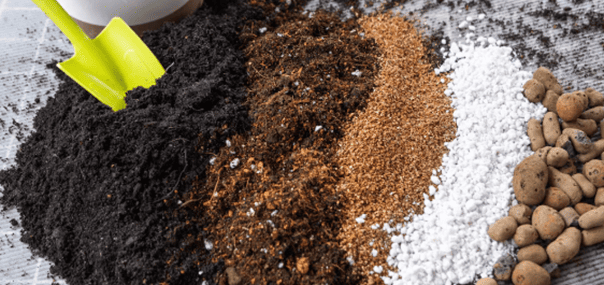
One of the easiest ways to identify fertilizers is through their physical appearance. Chemical fertilizers are typically uniform in shape, often in the form of granules, pellets, or crystalline powders. They usually have consistent size, color, and texture due to standardized industrial production processes.
In contrast, organic fertilizers tend to have irregular shapes and heterogeneous composition. They may appear as dark, crumbly materials, fibrous residues, or moist substances depending on their source. For example, compost and manure often have a natural earthy appearance and may contain visible plant or animal residues.
Additionally, chemical fertilizers are generally odorless or have a slight chemical smell, while organic fertilizers often have a strong, characteristic odor due to decomposition processes. This difference in smell can be a practical indicator in distinguishing between the two types.
Read also :
The Impact of Fertilizer Residues on Water Resources and Ecosystems
Nutrient Content and Labeling
Chemical fertilizers are characterized by precise nutrient content, which is clearly indicated on the packaging. Typically, they display three numbers representing the percentage of nitrogen (N), phosphorus (P₂O₅), and potassium (K₂O), commonly referred to as the N-P-K ratio.
For example, a fertilizer labeled 18-46-0 contains 18% nitrogen, 46% phosphorus, and no potassium. This standardized labeling makes it easier for users to calculate nutrient requirements and apply fertilizers accurately.
In contrast, organic fertilizers usually do not have exact nutrient ratios or may contain lower and more variable nutrient concentrations. Their nutrient content depends on the source material and decomposition stage, making them less predictable compared to chemical fertilizers.
Solubility and Nutrient Release
Another important criterion for identifying fertilizers is their solubility and nutrient release pattern. Chemical fertilizers are highly soluble in water, allowing nutrients to be quickly available for plant uptake. This rapid availability is beneficial for addressing immediate nutrient deficiencies but may also lead to nutrient losses through leaching.
Organic fertilizers, however, release nutrients slowly as they decompose in the soil. This gradual release provides a long term nutrient supply and reduces the risk of nutrient loss. However, the slower nutrient availability means they may not be suitable for addressing urgent nutrient deficiencies.
Effects on Soil Properties
Chemical and organic fertilizers also differ in their effects on soil properties. Chemical fertilizers primarily supply nutrients but do not significantly improve soil structure or organic matter content. In some cases, excessive use may lead to soil degradation, acidification, or environmental pollution.
In contrast, organic fertilizers enhance soil physical, chemical, and biological properties. They improve soil structure, increase water holding capacity, and promote microbial activity. As a result, organic fertilizers contribute to long term soil fertility and sustainability.
Source and Production Process
The origin of fertilizers can also help in identification. Chemical fertilizers are produced in factories through chemical reactions and industrial processes. For instance, nitrogen fertilizers are commonly produced by synthesizing ammonia from nitrogen in the air and hydrogen derived from natural gas.
Organic fertilizers, in contrast, originate from natural biological processes such as the decomposition of plant and animal materials. They do not undergo complex industrial synthesis but are processed through composting or natural breakdown. This fundamental difference in origin distinguishes organic fertilizers from chemical ones.
Conclusion
Identifying chemical and organic fertilizers is essential for effective nutrient management in agriculture. Key distinguishing factors include physical characteristics, nutrient content, solubility, effects on soil, and production processes. Chemical fertilizers are characterized by precise nutrient composition and rapid nutrient availability, while organic fertilizers are known for their natural origin and long term benefits to soil health.
By understanding these differences, farmers and agricultural practitioners can make informed decisions regarding fertilizer selection and application. This knowledge not only improves crop productivity but also supports sustainable agricultural practices and environmental conservation.
Mistakes in identifying and verifying chemical and organic fertilizers can directly impact productivity, crop quality, and even customer trust in your business. Relying on assumptions without data only increases risks in the field. Conduct thorough laboratory testing at IML Testing and Research to ensure every fertilizer product you produce or use is thoroughly tested and meets standards.
Author : Fachry
Editor : Alphi
References
Fertilizers Europe. (2018). Fertilizer basics: Why we need fertilizers, where they come from, how they work, and how they are used. Brussels: Fertilizers Europe.
Maguire, R., Alley, M., & Flowers, W. (2019). Fertilizer types and calculating application rates. Virginia Cooperative Extension, Virginia Tech.
Purba, T., Situmeang, R., Rohman, H. F., Mahyati, A., Firgiyanto, R., Junaedi, A. S., … Suhastyo, A. A. (2021). Pupuk dan teknologi pemupukan. Medan: Yayasan Kita Menulis.