Rice Fertilization Management: 3 Proven Strategies to Boost Yield and Soil Health

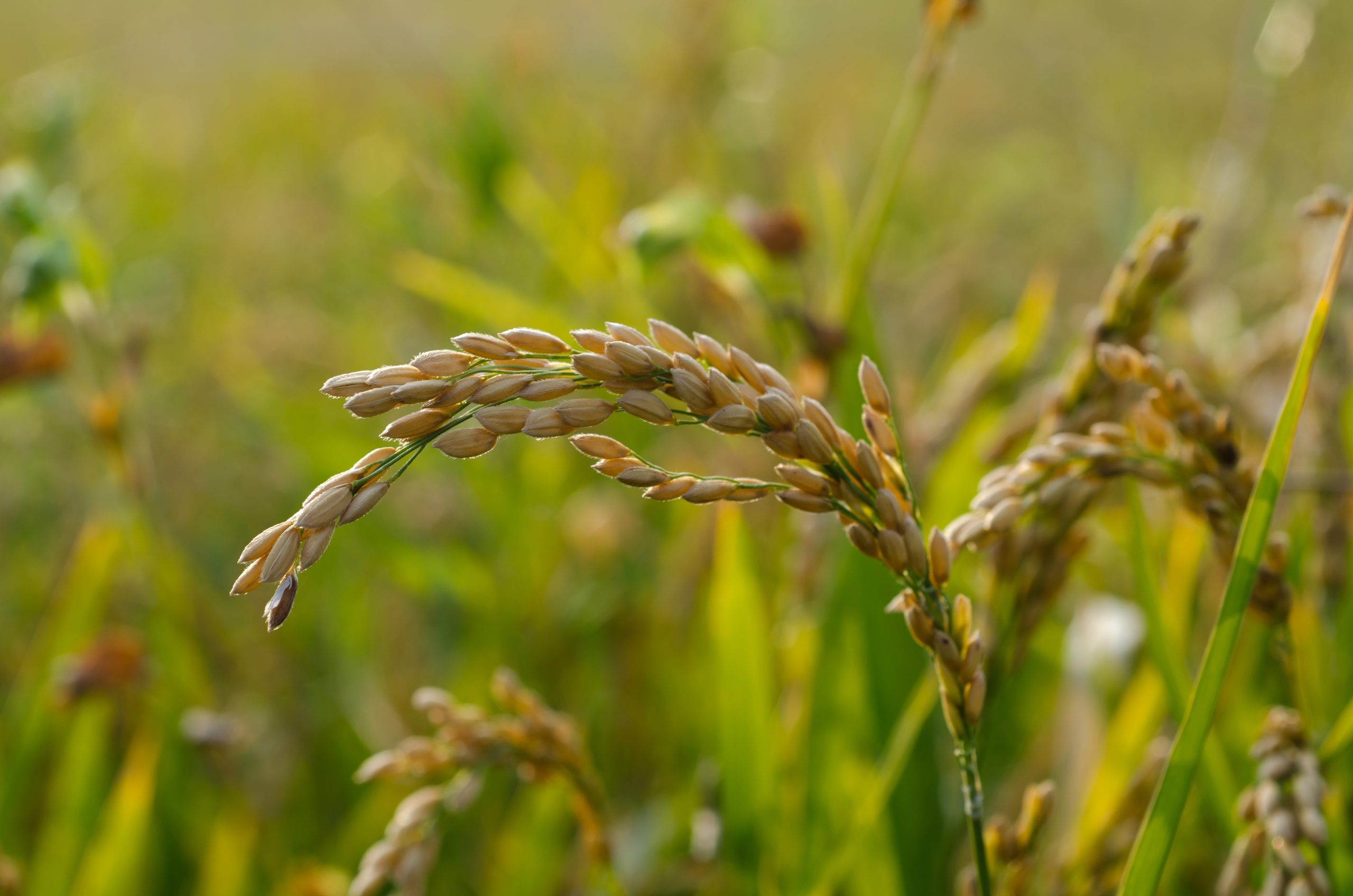
Rice cultivation plays a vital role in global food security, particularly in developing countries. To achieve optimal productivity, proper fertilization management is essential.
Fertilization not only supports plant growth but also ensures that soil fertility is maintained over time. Without appropriate nutrient management, rice yields may decline due to nutrient depletion and imbalanced soil conditions.
Table of Content
- Growth Stages of Rice and Nutrient Demand
- Soil Fertility Assessment
- Principles of Fertilization Management
- Timing of Fertilizer Application
- Methods of Fertilizer Application
- Integration of Organic and Inorganic Fertilizers
- Environmental Considerations
- Maximize Your Rice Yield with the Right Fertilization Strategy
Growth Stages of Rice and Nutrient Demand
Effective fertilization management must align with the growth stages of rice plants. Rice growth is generally divided into vegetative and generative phases. The vegetative phase includes germination, seedling development, and tillering, while the generative phase includes panicle initiation, flowering, and grain filling .
During the vegetative stage, nitrogen demand is high to support leaf growth and tiller formation. Proper nitrogen supply at this stage increases the number of productive tillers, which directly affects yield.
In the generative stage, phosphorus and potassium become more critical. Phosphorus plays a role in panicle formation, while potassium supports grain filling and improves grain quality. Therefore, nutrient application must be synchronized with the plant’s developmental stages.
Soil Fertility Assessment
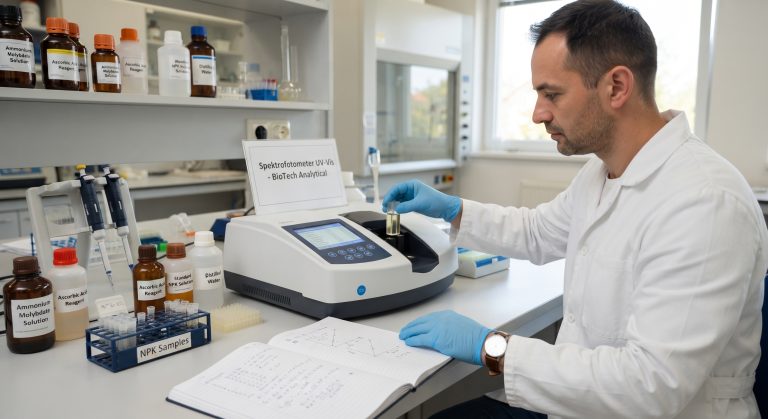
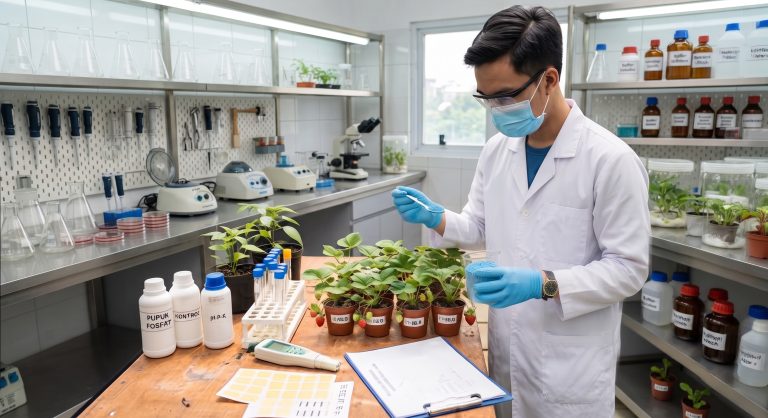
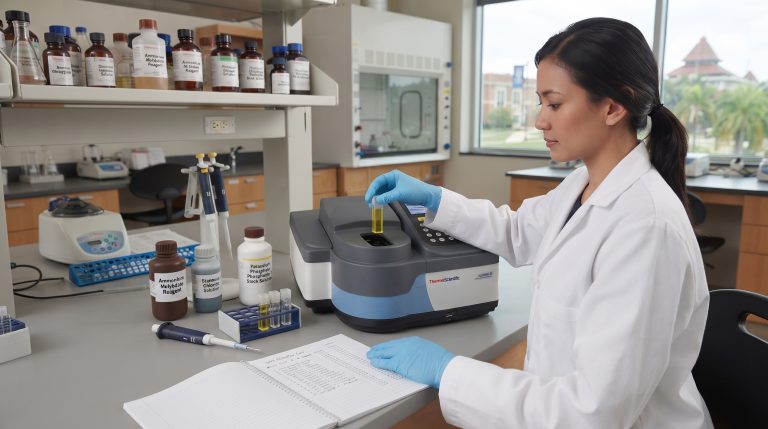
Effective fertilization begins with understanding soil conditions. Soil testing is a key practice used to determine nutrient availability and identify deficiencies. By analyzing soil properties, farmers can apply fertilizers more efficiently and avoid unnecessary inputs.
Soil fertility varies depending on factors such as soil type, organic matter content, and previous cropping practices. Therefore, fertilization strategies must be site-specific. Proper soil assessment ensures that nutrient application aligns with crop requirements, improving both productivity and cost efficiency.
Read also :
Dampak Sisa Pupuk terhadap Sumber Daya Air dan Ekosistem, Wajib Diketahui !
Principles of Fertilization Management
One of the most widely accepted approaches in nutrient management is the “4R” principle: right source, right rate, right time, and right place. This concept ensures that fertilizers are used efficiently and sustainably.
Applying the right source means selecting fertilizers that supply the required nutrients. The right rate ensures that nutrients are applied in appropriate amounts based on crop needs and soil conditions.
The right time involves synchronizing nutrient application with plant demand, while the right place ensures that nutrients are positioned where roots can easily absorb them. These principles help maximize nutrient use efficiency and minimize losses to the environment.
Timing of Fertilizer Application
Timing is a critical factor in rice fertilization. Rice plants have different nutrient requirements at various growth stages, including seedling, tillering, panicle initiation, flowering, and grain filling.
Nitrogen is typically applied in split doses to improve efficiency. A portion is applied at planting, while the rest is given during the tillering and panicle initiation stages when nutrient demand is highest. This practice reduces nutrient losses and enhances plant uptake.
Phosphorus and potassium are generally applied before or during planting because they are less mobile in the soil and are needed early for root development and plant establishment .
Methods of Fertilizer Application
Several methods can be used to apply fertilizers in rice fields. Broadcasting is the most common method, where fertilizers are spread evenly across the field. However, this method may result in nutrient losses, especially for nitrogen.
Band placement involves placing fertilizer near the root zone, which improves nutrient uptake efficiency. Another effective method is deep placement, particularly for nitrogen fertilizers such as urea in flooded rice systems.
This method reduces losses through volatilization and denitrification, ensuring that more nutrients are available to the plant. The choice of method depends on field conditions, labor availability, and farming practices.
Integration of Organic and Inorganic Fertilizers
Combining organic and inorganic fertilizers is an effective strategy for sustainable rice production. Organic materials such as compost and manure improve soil structure, increase water retention, and enhance microbial activity.
Inorganic fertilizers, on the other hand, provide readily available nutrients that can quickly meet crop demands. By integrating both sources, farmers can maintain soil fertility while achieving high productivity.
This approach, known as integrated nutrient management, supports long-term agricultural sustainability.
Environmental Considerations
Improper fertilization practices can lead to environmental problems such as nutrient leaching, water pollution, and greenhouse gas emissions. Nitrogen losses, in particular, can contribute to environmental degradation.
Therefore, efficient fertilizer use is essential not only for crop productivity but also for environmental protection. Applying fertilizers according to recommended practices helps reduce negative impacts while maintaining soil health.
Maximize Your Rice Yield with the Right Fertilization Strategy
Effective fertilization management is not just about application it’s about ensuring real impact in the field. Make sure your fertilizer delivers measurable results, from nutrient absorption to crop productivity.
Partner with IML Testing and Research to validate your products through efficacy testing and nutrient content analysis, ensuring your fertilizer is both effective and trusted in the market.
Conclusion
Fertilization management in rice cultivation requires a comprehensive and balanced approach. By understanding nutrient requirements, conducting soil analysis, applying fertilizers at the right time and place, and integrating organic and inorganic inputs, farmers can optimize rice production.
Sustainable fertilization practices not only increase yields but also preserve soil fertility and protect the environment, ensuring long term agricultural productivity.
Author: Fachry
Editor : Alphi
References
Fertilizers Europe. (2018). Fertilizer basics: Why we need fertilizers, where they come from, how they work, and how they are used. Brussels: Fertilizers Europe.
Maguire, R., Alley, M., & Flowers, W. (2019). Fertilizer types and calculating application rates. Virginia Cooperative Extension, Virginia Tech.
Purba, T., Situmeang, R., Rohman, H. F., Mahyati, A., Firgiyanto, R., Junaedi, A. S., … Suhastyo, A. A. (2021). Pupuk dan teknologi pemupukan. Medan: Yayasan Kita Menulis.