Fertilizer Selection for Beginners

Fertilizers selection play a crucial role in modern agriculture and gardening, as they supply essential nutrients required for plant growth and productivity. For beginners, the right fertilizer selection can be challenging due to the wide variety of products available. Understanding basic concepts such as nutrient content, fertilizer types, and plant requirements is essential to make effective decisions.
Table of content:
- Understanding the Role of Fertilizers
- Types of Fertilizers
- Understanding Fertilizer Labels
- Factors to Consider When Choosing Fertilizer
- Common Mistakes to Avoid
- Practical Tips for Beginners
Understanding the Role of Fertilizers
Plants require nutrients such as nitrogen (N), phosphorus (P), and potassium (K) to grow properly. These nutrients support vital physiological processes, including photosynthesis, root development, and overall plant health. While soil naturally provides some nutrients, continuous cultivation often depletes them, making fertilizer application necessary to maintain productivity .
Fertilizers help replenish these nutrients and ensure that plants receive a balanced supply. Without adequate fertilization, plant growth can be limited by the nutrient that is least available, a concept known as the limiting factor principle.
Types of Fertilizers
For beginners, it is important to recognize the two main categories of fertilizer selection:
1. Organic Fertilizers
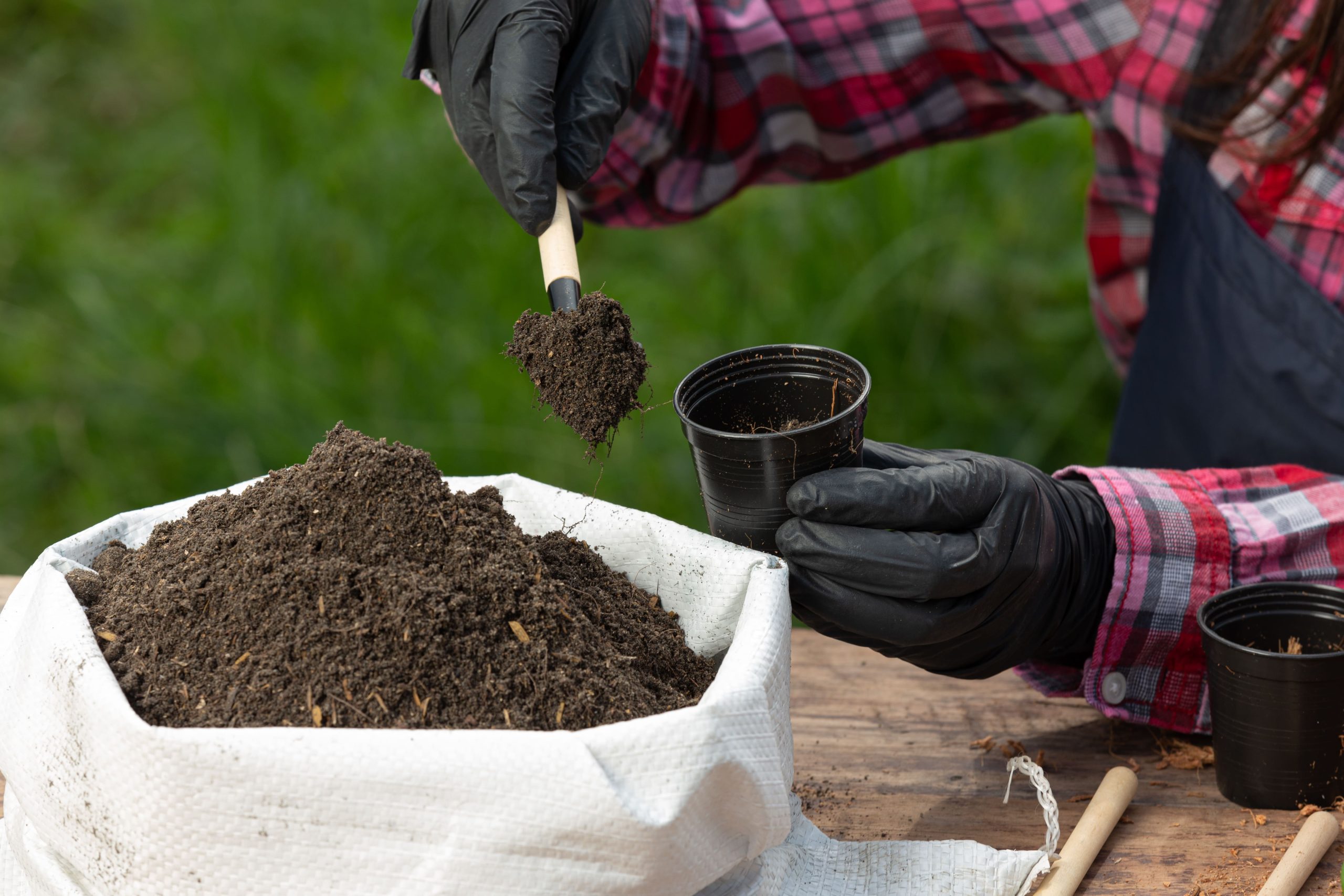
Organic fertilizers are derived from natural materials such as compost, manure, or plant residues. They improve soil structure, enhance microbial activity, and release nutrients slowly over time. Examples include compost, green manure, and animal manure.
2. Inorganic (Chemical) Fertilizers
Inorganic fertilizers are manufactured through industrial processes and contain specific concentrations of nutrients. They are usually labeled with three numbers (e.g., 10-10-10), indicating the percentage of N, P, and K. These fertilizers provide nutrients quickly and are easier to measure and apply accurately .
Read also:
For a Specific Plant : 7 Facts How to Find Truly Effective Fertilizer
Understanding Fertilizer Labels
One of the most important skills for beginners is reading fertilizer labels. The three numbers displayed on fertilizer selection packaging represent the nutrient composition:
- Nitrogen (N) for leaf growth
- Phosphorus (P) for root and flower development
- Potassium (K) for overall plant strength and resistance
For example, a fertilizer labeled 20-10-10 contains 20% nitrogen, 10% phosphorus, and 10% potassium. Choosing the right ratio depends on the specific needs of the plant being grown with right fertilizer selection.
Factors to Consider When Choosing Fertilizer
Selecting the right fertilizer selection should be based on several key factors:
1. Soil Condition
A soil test is highly recommended to determine existing nutrient levels. This helps avoid over application and ensures that only the required nutrients are added so that things can support fertilizer selection.
2. Type of Plant
Different plants have different nutrient requirements. Leafy vegetables typically require more nitrogen, while flowering and fruiting plants need higher phosphorus and potassium levels.
3. Growth Stage
Plants require different nutrients at different growth stages. For instance, nitrogen is essential during early vegetative growth, while phosphorus becomes more important during flowering.
4. Application Method and Timing
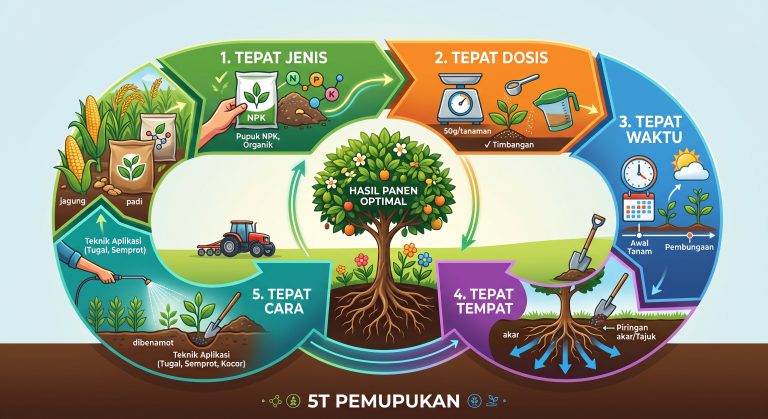
Fertilizer selection can be applied in various ways, such as broadcasting, banding, or foliar application. Timing is also critical nutrients should be applied when plants can absorb them efficiently to minimize losses.
Common Mistakes to Avoid
Beginners often make several mistakes when selecting and using fertilizer selection:
- Applying too much fertilizer, which can damage plants and harm the environment
- Ignoring soil conditions and plant specific needs
- Choosing fertilizers based solely on price rather than nutrient suitability
- Applying fertilizers at the wrong time, reducing their effectiveness
Practical Tips for Beginners
To simplify fertilizer selection, beginners can follow these practical guidelines:
- Start with balanced fertilizers (e.g., 10-10-10 or 15-15-15) for general use
- Use organic fertilizers to improve long-term soil health
- Conduct soil testing whenever possible
- Follow recommended application rates carefully
- Observe plant responses and adjust fertilization accordingly
Conclusion
Choosing the right fertilizer is a fundamental step in successful plant cultivation. By understanding nutrient requirements, fertilizer types, and proper application methods, beginners can make informed decisions that support healthy plant growth. Proper fertilization not only increases yield but also contributes to sustainable soil management and long term agricultural productivity.
The Right Fertilizer Starts with a Tested Choice!
Choosing fertilizer is not simply about price or availability it is a scientific decision that directly impacts the quality of your harvest and the long term sustainability of your land. Whether you are a beginner farmer just starting your agricultural journey, or a fertilizer manufacturer and distributor looking to ensure your product contains the nutrient content claimed on the packaging laboratory testing is a step that cannot be overlooked.
IML Testing & Research is ready to help you validate fertilizer content and quality through nationally and internationally standardized analytical methods. Consult your fertilizer testing needs today and ensure every fertilizing decision you make is backed by accurate scientific data.
Author: Fachry
Editor: Alphi
References
Fertilizers Europe. (2018). Fertilizer basics: Why we need fertilizers, where they come from, how they work, and how they are used. Brussels: Fertilizers Europe.
Maguire, R., Alley, M., & Flowers, W. (2019). Fertilizer types and calculating application rates. Petersburg: Virginia Cooperative Extension, Virginia Tech.
Purba, T., Situmeang, R., Rohman, H. F., Mahyati, A., Firgiyanto, R., Junaedi, A. S., Suhastyo, A. A. (2021). Pupuk dan teknologi pemupukan. Medan: Yayasan Kita Menulis.