For a Specific Plant : 7 Facts How to Find Truly Effective Fertilizer

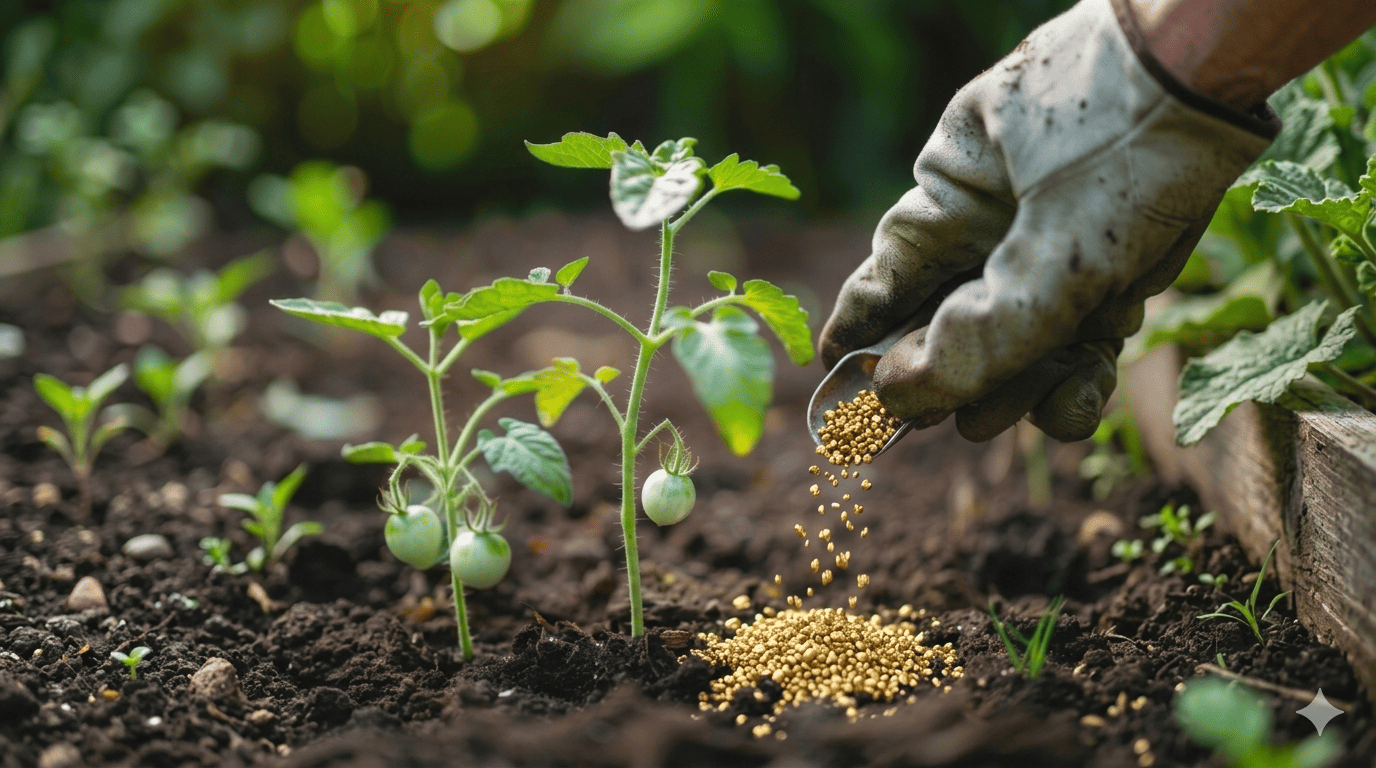
Fertilizers play a critical role in modern agriculture, yet not all fertilizers deliver the same results for every crop. Determining which fertilizer is truly effective requires a systematic evaluation of plant needs, soil conditions, and application strategies. This article explains practical and scientific approaches to identify the most suitable fertilizer for a specific plant.
Table of Content :
- Understanding Plant Nutrient Requirements
- Conducting Soil Testing
- Evaluating Fertilizer Composition
- Considering Soil and Environmental Factors
- Applying the Right Fertilization Strategy
- Observing Plant Response
- Comparing Organic and Inorganic Fertilizers
- Conclusion
Understanding Plant Nutrient Requirements
The first step in selecting an effective fertilizer is understanding the nutrient requirements of the plant. Each crop has distinct needs for essential nutrients such as nitrogen (N), phosphorus (P), and potassium (K), commonly referred to as N-P-K. These nutrients support vital physiological processes including growth, root development, and fruit formation.
Plants also require micronutrients, although in smaller amounts, for optimal metabolic functions. A deficiency in even one essential nutrient can limit plant growth, a concept known as the law of minimum, where the scarcest nutrient determines productivity.
Therefore, an effective fertilizer is not necessarily the one with the highest nutrient content, but the one that matches the plant’s specific nutritional demand.
Conducting Soil Testing
Soil testing is the most reliable method to determine fertilizer effectiveness. It measures the availability of nutrients already present in the soil and identifies deficiencies. According to agronomic principles, soil tests are essential to quantify levels of phosphorus and potassium and guide appropriate fertilizer application rates.
Without soil testing, effective fertilizer application becomes guesswork, often leading to overuse or underuse. Over application can cause nutrient imbalances and environmental pollution, while under application limits plant growth.
Evaluating Fertilizer Composition
Fertilizers are labeled with three numbers representing the percentage of N, P₂O₅, and K₂O. For example, a fertilizer labeled 18-46-0 contains 18% nitrogen, 46% phosphorus, and no potassium.
To determine effectiveness:
- Match effective fertilizer composition with plant needs
- Avoid excess nutrients that the plant does not require
- Consider additional elements such as sulfur or magnesium if needed
Balanced fertilization ensures that plants receive nutrients in proper proportions, improving nutrient uptake efficiency.
Considering Soil and Environmental Factors
Fertilizer performance is strongly influenced by soil properties and environmental conditions. Factors such as soil pH, texture, moisture, and microbial activity affect nutrient availability.
For instance:
- Acidic soils may reduce nutrient availability
- Sandy soils may lose nutrients through leaching
- High rainfall can wash away mobile nutrients like nitrogen
Additionally, nutrients behave differently in soil. Nitrogen is highly mobile and must be applied close to the time of plant uptake, whereas phosphorus and potassium are more stable and can be applied earlier.
Thus, an effective fertilizer is one that aligns with both plant requirements and environmental conditions.
Applying the Right Fertilization Strategy
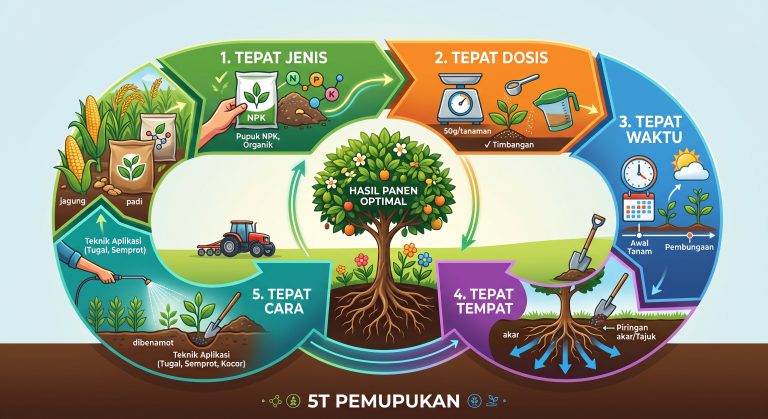
Effectiveness is not only determined by fertilizer type but also by how and when it is applied. The widely recognized principle of fertilization includes:
- Right product – suitable nutrient composition
- Right rate – correct dosage
- Right time – synchronized with plant growth stages
- Right place – proper placement near the root zone
For example, splitting nitrogen application into several stages can improve efficiency and reduce losses. Early application supports initial growth, while later application meets peak nutrient demand.
Observing Plant Response
Another practical way to evaluate fertilizer effectiveness is by observing plant performance. Indicators include:
- Healthy leaf color and growth
- Strong root development
- Increased yield and quality
- Absence of deficiency symptoms
If plants show poor growth despite fertilization, it may indicate incorrect nutrient balance, unsuitable fertilizer type, or limiting environmental factors.
Comparing Organic and Inorganic Fertilizers
Both organic and inorganic fertilizers can be effective depending on the situation. Organic fertilizers improve soil structure and microbial activity, while inorganic fertilizers provide nutrients in readily available forms.
In many cases, combining both types yields the best results by ensuring immediate nutrient supply and long term soil fertility.
Conclusion
Finding an effective fertilizer for a specific plant requires more than simply choosing a popular product. It involves understanding plant nutrient requirements, conducting soil tests, evaluating fertilizer composition, and applying proper fertilization techniques. Environmental factors and plant responses must also be considered to ensure optimal results.
Ultimately, the most effective fertilizer is one that delivers the right nutrients, in the right amount, at the right time, and under the right conditions.
Using the wrong fertilizer can reduce productivity and increase operational costs without delivering optimal results. For businesses, this is a risk that cannot be ignored. Conduct fertilizer and soil testing with IML Testing and Research to ensure your fertilization strategy is effective, efficient, and sustainable
Author: Fachry
Editor: Alphi
References
Fertilizers Europe. (2018). Fertilizer basics: Why we need fertilizers, where they come from, how they work, and how they are used. Brussels: Fertilizers Europe.
Maguire, R., Alley, M., & Flowers, W. (2019). Fertilizer types and calculating application rates. Virginia Cooperative Extension, Virginia Tech.
Purba, T., Situmeang, R., Rohman, H. F., Mahyati, A., Firgiyanto, R., Junaedi, A. S., … Suhastyo, A. A. (2021). Pupuk dan teknologi pemupukan. Medan: Yayasan Kita Menulis.