Health Supplements: How Are Immune Boosting Claims Proven?

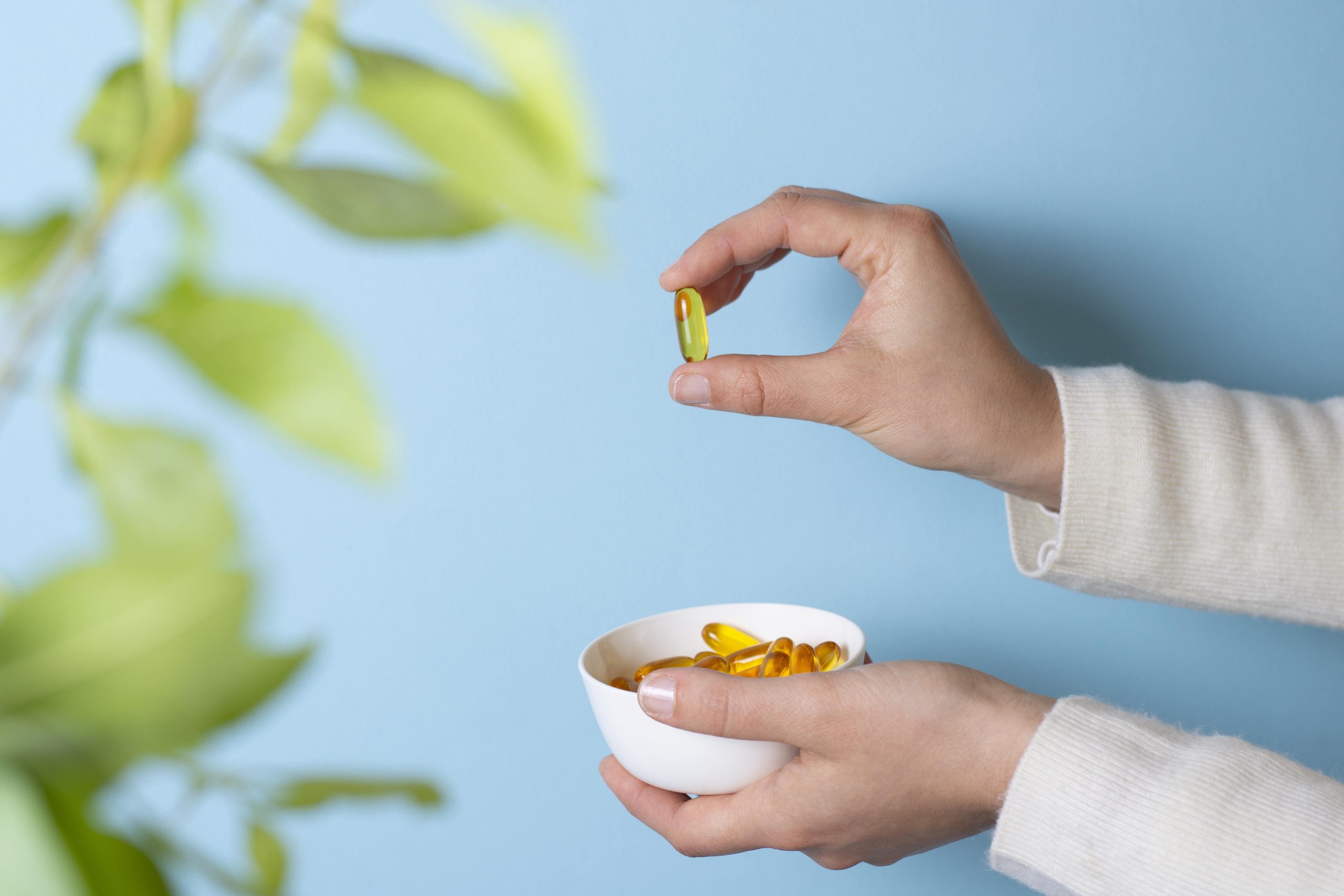
The immune system is the body’s natural defense mechanism that protects the body from various threats such as bacteria, viruses, fungi, and other foreign substances that can cause illness. This system consists of various organs, cells, and proteins. When the body is exposed to pathogens, the immune system recognizes and fights these disease causing agents and can protect with health supplement.
The immune system can be activated by various foreign substances that are considered not to be part of the body. These substances are called antigens. Examples of antigens include proteins found on the surfaces of bacteria, fungi, and viruses. When antigens attach to specific receptors on immune cells, the body initiates a series of defense mechanisms to fight these foreign substances with health supplement.
Table of content:
- Classification of the Immune System
- What Are Health Supplements?
- In Vitro Testing of Immunostimulant Activity
- In Vivo Testing of Immunostimulant Activity
Classification of the Immune System
In general, the immune system is divided into two types: the innate (non specific) immune system and the adaptive (specific) immune system. The innate immune system acts as the body’s first line of defense and provides a rapid response against infection. This system mainly works through immune cells such as natural killer cells and phagocytic cells, which are cells capable of “engulfing” foreign substances.
The primary function of the innate immune system is to fight microorganisms and harmful substances entering the body, for example through the skin or digestive tract. Meanwhile, the adaptive immune system works more specifically by producing antibodies and memory to fight foreign substances such as microorganisms that have previously entered the body.
The adaptive immune system is called a specific immune response because of its ability to recognize and remember previously encountered foreign substances.
What Are Health Supplements?
According to the Indonesian Food and Drug Authority (BPOM), health supplements are products intended to complement nutritional needs, maintain health, and improve health functions. Their ingredients may include vitamins, minerals, amino acids, or herbal substances.
Many health supplement products carry claims such as helps maintain the immune system or boosts body immunity. Such claims cannot be made arbitrarily. Therefore, scientific evidence is required to prove that a substance or product possesses immunostimulant activity, which is the ability of a substance to stimulate, enhance, or activate the immune system. This evidence is obtained through various scientific tests conducted both in vitro and in vivo.
Read also:
Herbal Medicine: Is It Really Effective for Health? 1 Dangerous risk!
In Vitro Testing of Immunostimulant Activity
In vitro testing refers to experiments conducted outside a living organism, for example using cell cultures in a laboratory. In in vitro studies, researchers usually observe the effects of a substance on immune cell activities, such as macrophage phagocytosis tests, cytokine production, lymphocyte proliferation, and other assays.
One commonly used method is the macrophage phagocytosis assay. Macrophages are immune cells that function to “engulf” microorganisms or foreign particles. In this test, researchers measure how much macrophage activity increases after exposure to the test sample. Active macrophages have a greater ability to ingest and digest foreign particles. If the phagocytic activity increases compared to the control group, the sample is suspected to possess immunostimulant activity.
In Vivo Testing of Immunostimulant Activity
In vivo testing refers to experiments conducted directly in living organisms, usually using experimental animals such as mice or rats. In in vivo studies, researchers can observe the effects of a substance on the immune system as a whole within the body. These tests involve various parameters, including phagocytic activity, antibody formation, cellular immune responses, leukocyte count, and other evaluations.
One commonly used method is the carbon clearance test. In this test, animals are injected with a carbon suspension through the bloodstream, and the ability of the body’s phagocytic system to remove carbon particles from circulation is observed. Phagocytic cells such as macrophages in the liver and spleen capture and destroy these foreign particles.
If the carbon clearance rate increases compared to the control group, the sample is suspected to have immunostimulant activity because it enhances the activity of the innate immune system. In vivo testing is important because immune responses within the body are strongly influenced by interactions among various organs and biological molecules.
Good in vitro results do not always produce the same effects in living organisms. Through these scientific evaluations, the public is expected to become more informed and selective in choosing health supplements. Claims of “boosting immunity” should not merely serve as marketing strategies, but must be supported by valid scientific research data.
Has Your Immune Boosting Claim Been Scientifically Proven?
In an increasingly crowded health supplement market, the claim boosts immunity is one of the most widely used yet also one of the most frequently questioned by consumers and regulators alike. Whether you are a consumer wanting to ensure the health supplement you take every day truly delivers on its promise, or a health supplement manufacturer looking to scientifically validate your product's immunity claim in accordance with BPOM RI requirements the answer lies in proper testing.
IML Testing & Research is ready to help you prove your supplement's efficacy claims through standardized, scientifically accountable testing methods. Consult your supplement testing needs today and make scientific data the strongest foundation of your product claims.
Author: Jihan
Editor: Alphi
References
Ganeshpurkar, A., & Saluja, A. K. (2017). Experimental animal models used for evaluation of potential immunomodulators: A mini review. Bulletin of Faculty of Pharmacy, Cairo University, 55(2), 211–216.
InformedHealth.org [Internet]. Cologne, Germany: Institute for Quality and Efficiency in Health Care (IQWiG); 2006-. In brief: How does the immune system work? [Updated 2023 Jun 6]. Available from:
Khatua, S., Simal-Gandara, J., & Acharya, K. (2022). Understanding immune-modulatory efficacy in vitro. Chemico-Biological Interactions, 352, 109776.