The Impact of Fertilizer Residues on Water Resources and Ecosystems


Fertilizers play a crucial role in modern agriculture by supplying essential nutrients that crops need to grow. As highlighted in Pupuk dan Teknologi Pemupukan, fertilizers are added to soil to replace nutrients lost through harvesting, leaching, and erosion.
However, when fertilizers are applied in excessive amounts or at inappropriate times, the unused portion often referred to as fertilizer residues can move beyond the target crop. These residues do not simply disappear.
Instead, they may enter water bodies, accumulate in soils, or escape into the atmosphere. Over time, this can create significant environmental challenges, particularly for water resources and surrounding ecosystems.
Understanding these impacts is essential for developing sustainable agricultural practices that balance productivity with environmental protection.
Table of Content :
- Pathways of Fertilizer Residues into Water
- Impact on Surface Water
- Impact on Groundwater
- Effects on Soil Ecosystems
- Biodiversity and Ecosystem Disruption
- Climate Interactions
- Strategies to Reduce Fertilizer Residue Impacts
- Ensure the Fertilizers Used Are Safe for the Environment
- Conclusion
Pathways of Fertilizer Residues into Water
Fertilizer residues primarily enter water systems through three main pathways: runoff, leaching, and erosion.
Surface runoff occurs when rainfall or irrigation water flows across the soil surface, carrying dissolved nutrients especially nitrogen (N) and phosphorus (P) into rivers, lakes, and reservoirs. This is particularly common in sloped areas or when soils are compacted and unable to absorb water efficiently.
Leaching happens when soluble nutrients, especially nitrate (NO₃⁻), move downward through the soil profile and reach groundwater. Nitrogen fertilizers are especially prone to this process because nitrate is highly mobile in soil water.
Soil erosion can transport nutrient-rich soil particles into nearby water bodies. Since phosphorus often binds to soil particles, eroded sediment becomes a major source of phosphorus pollution in aquatic environments.
Read also :
Fast Absorbing Chemical Fertilizers : Efficiency or Hidden Risk?
Impact on Surface Water
One of the most serious consequences of fertilizer residues in surface water is eutrophication. This process occurs when excessive nutrients stimulate rapid growth of algae and aquatic plants.
While algae are natural components of aquatic ecosystems, nutrient overload can lead to harmful algal blooms. These blooms block sunlight from reaching submerged plants and reduce dissolved oxygen levels when algae die and decompose.
The decomposition process consumes oxygen, creating hypoxic (low-oxygen) conditions that can kill fish and other aquatic organisms. In severe cases, entire aquatic ecosystems can be disrupted.
Fish populations decline, biodiversity decreases, and water quality deteriorates. Water may become unsuitable for drinking, recreation, or irrigation.
Impact on Groundwater
Groundwater contamination because fertilizer residues is another major concern, particularly due to nitrate leaching. Elevated nitrate levels in drinking water can pose health risks, including methemoglobinemia (commonly known as “blue baby syndrome”) in infants.
Unlike surface water pollution, groundwater contamination is often difficult and expensive to remediate. Once nitrate reaches aquifers, it can persist for many years.
In agricultural regions where fertilizer application is intensive, nitrate concentrations in groundwater frequently exceed recommended safety limits.
Effects on Soil Ecosystems
Excessive fertilizer use does not only affect water systems it can also alter soil ecosystems. Continuous application of synthetic fertilizers without organic amendments may reduce soil organic matter and microbial diversity.
Soil microorganisms play a critical role in nutrient cycling, organic matter decomposition, and soil structure formation. When fertilizer residues inputs exceed crop needs, soil chemistry can shift leading to acidification or salinization.
These changes can reduce beneficial microbial populations and impair long term soil fertility. Moreover, imbalance among nutrients can disrupt plant health because fertilizer residues.
According to the principle of nutrient balance often discussed in agronomy, crop growth is limited by the most deficient nutrient. Over application of one nutrient does not compensate for the lack of another and may instead cause environmental harm.
Biodiversity and Ecosystem Disruption
Nutrient pollution affects not only aquatic organisms but also terrestrial ecosystems. Changes in nutrient availability can favor fast growing, nutrient loving plant species over native species adapted to nutrient poor conditions.
In wetlands and grasslands, nutrient enrichment may reduce plant diversity and alter habitat structure. As plant communities shift, insect populations, birds, and other wildlife may also decline.
In aquatic systems, algal blooms may produce toxins harmful to fish, livestock, and even humans. This creates cascading ecological effects and economic losses in fisheries, tourism, and water treatment sectors.
Climate Interactions
Fertilizer residues also interact with climate processes. Nitrogen fertilizers can contribute to the emission of nitrous oxide (N₂O), a potent greenhouse gas. When excess nitrogen remains in soil, microbial processes such as nitrification and denitrification increase N₂O emissions.
Thus, inefficient fertilizer management not only threatens water resources but also contributes to climate change. Sustainable fertilizer use is therefore linked to both environmental protection and global climate mitigation efforts.
Strategies to Reduce Fertilizer Residue Impacts
To minimize the negative effects of fertilizer residues on water resources and ecosystems, several strategies can be implemented:
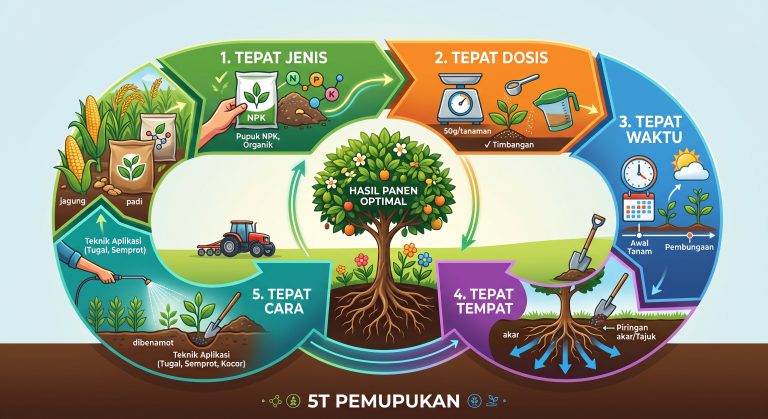
- Right rate application – Applying fertilizers according to soil test recommendations ensures nutrients match crop demand.
- Right timing – Applying fertilizers when crops can actively absorb nutrients reduces losses through leaching and runoff.
- Right placement – Placing fertilizer near root zones improves uptake efficiency.
- Use of organic amendments – Combining mineral fertilizers with compost or manure improves soil structure and nutrient retention.
- Buffer zones and vegetative strips – Planting vegetation along waterways helps trap sediments and nutrients before they reach water bodies.
- Precision agriculture technologies – Using sensors and data-driven tools allows farmers to optimize fertilizer inputs.
These approaches reflect integrated nutrient management principles that aim to enhance crop productivity while reducing environmental risks.
Ensure the Fertilizers Used Are Safe for the Environment
Improper use of fertilizers can leave residues that may affect water quality and disrupt ecosystem balance. Therefore, it is important for producers to ensure that the fertilizers used have undergone proper testing to determine their quality, safety, and effectiveness.
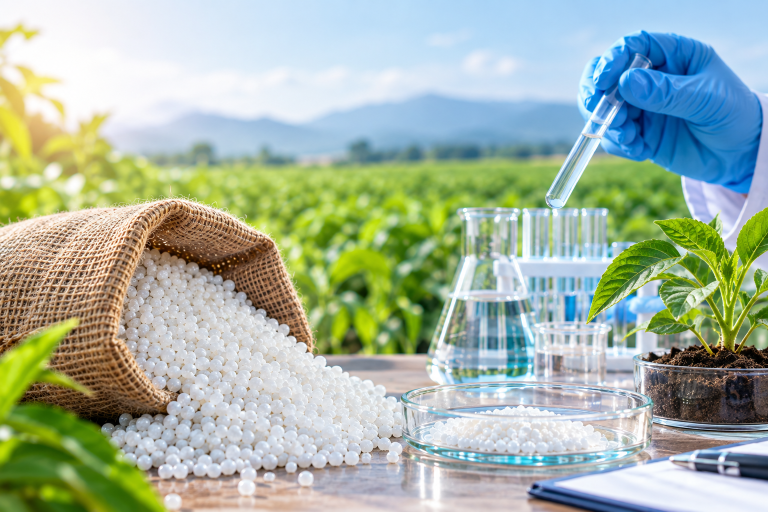
Conduct fertilizer efficacy testing and laboratory analysis with IML Testing and Research to ensure your fertilizer products are safer, more effective, and environmentally responsible. Consult your testing needs with the IML expert team to support the development of more reliable products.
Conclusion
Fertilizers are essential for sustaining agricultural production and ensuring food security. However, when applied excessively or improperly, fertilizer residues can significantly impact water resources and ecosystems.
Surface water eutrophication, groundwater contamination, soil degradation, biodiversity loss, and greenhouse gas emissions are among the major consequences. These impacts demonstrate that fertilizer management must go beyond yield maximization and incorporate environmental considerations.
Sustainable agriculture requires a balanced approach one that maintains soil fertility, protects water resources, and preserves ecosystem integrity. Through responsible fertilizer management practices, it is possible to support both agricultural productivity and environmental sustainability for future generations.
Author: Fachry
Editor : Alphi
References
Fertilizers Europe. (2018). Fertilizer basics: Why we need fertilizers, where they come from, how they work, and how they are used. Brussels: Fertilizers Europe.
Maguire, R., Alley, M., & Flowers, W. (2019). Fertilizer types and calculating application rates. Virginia Cooperative Extension, Virginia Tech.
Purba, T., Situmeang, R., Rohman, H. F., Mahyati, A., Firgiyanto, R., Junaedi, A. S., … Suhastyo, A. A. (2021). Pupuk dan teknologi pemupukan. Medan: Yayasan Kita Menulis.