Fast Absorbing Chemical Fertilizers : Efficiency or Hidden Risk?


Fast absorbing chemical fertilizers are widely used in modern agriculture due to their ability to provide nutrients that are readily available for plant uptake. These fertilizers, often containing soluble forms of nitrogen, phosphorus, and potassium, are designed to deliver rapid results in terms of plant growth and yield.
Read also :
The Effects of Organic Fertilizers on Soil Structure and Fertility
For farmers facing tight production schedules and high demand, such efficiency is highly attractive. However, alongside their benefits, fast-absorbing chemical fertilizers also raise important concerns related to soil health, environmental safety, and long-term sustainability.
This article discusses whether these fertilizers should be viewed primarily as an efficient solution or as a potential risk when used without proper management.
Table of content :
- Characteristics of Fast-Absorbing Chemical Fertilizers
- Efficiency in Crop Production
- Potential Risks to Soil Health
- Environmental Risks and Nutrient Losses
- Economic Considerations for Farmers
- Balancing Efficiency and Risk through Proper Management
- Toward Sustainable Fertilization Practices
- The Role of Efficacy Testing in Chemical Fertilizers
Characteristics of Fast-Absorbing Chemical Fertilizers
Fast absorbing chemical fertilizers are formulated to dissolve quickly in soil water, allowing nutrients to be immediately accessible to plant roots. Common examples include urea, ammonium nitrate, and water soluble NPK fertilizers.
Their quick action makes them especially effective during critical growth stages, such as early vegetative development or flowering, when plants require high nutrient availability. Because of their predictable nutrient content and rapid response, these fertilizers are easy to apply and manage.
Farmers can quickly correct nutrient deficiencies and observe visible improvements in crop performance within a short period. This characteristic is often considered one of their greatest advantages.
Efficiency in Crop Production
From an efficiency perspective, fast-absorbing chemical fertilizers play a significant role in increasing agricultural productivity. They support rapid plant growth, uniform crop development, and higher yields, particularly in intensive farming systems.
In regions with limited growing seasons, the ability to supply nutrients quickly can be critical for achieving optimal harvests. In addition, these fertilizers allow precise nutrient management when applied based on crop demand and soil testing.
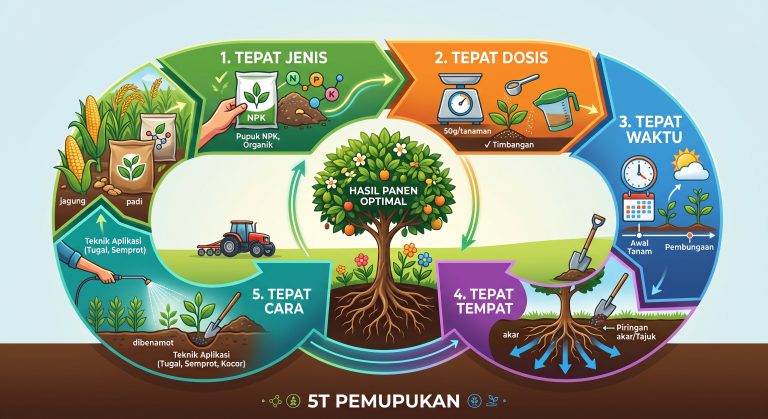
Precision fertilization techniques, such as fertigation and foliar application, further enhance their efficiency by reducing nutrient losses and ensuring that nutrients are delivered exactly where and when plants need them.
Potential Risks to Soil Health
Despite their efficiency, the long term use of fast absorbing chemical fertilizers may pose risks to soil health. One major concern is soil acidification, particularly from repeated application of nitrogen based fertilizers.
As soil pH decreases, the availability of essential nutrients can be reduced, while toxic elements may become more soluble. Another issue is the lack of organic matter input. Chemical fertilizers supply nutrients but do not improve soil structure or organic carbon content. To improve efficiency, efficacy testing can be conducted on the chemical fertilizers used.
Over time, soils that rely solely on chemical fertilizers may experience reduced aggregation, lower water-holding capacity, and increased compaction. These changes can negatively affect root growth and overall soil resilience.
Environmental Risks and Nutrient Losses
Fast nutrient availability also increases the risk of nutrient losses to the environment. Nutrients that are not absorbed by plants within a short time may be lost through leaching, volatilization, or surface runoff.
Nitrate leaching into groundwater is a major concern, as it can contaminate drinking water sources and pose risks to human health. Surface runoff carrying excess nutrients can lead to eutrophication of rivers, lakes, and coastal waters.
This process stimulates excessive algal growth, which reduces oxygen levels and harms aquatic ecosystems. Therefore, while fast-absorbing fertilizers are efficient for crops, they can become environmentally harmful if applied in excessive amounts or under unsuitable conditions.
Economic Considerations for Farmers
Economically, fast absorbing chemical fertilizers can be both beneficial and risky. In the short term, increased yields and rapid crop response can improve farm profitability. However, inefficient use, such as overapplication or improper timing, leads to wasted inputs and higher production costs.
In the long term, soil degradation caused by improper fertilizer use may increase dependency on external inputs, further raising costs. Farmers may need to apply higher fertilizer rates to achieve the same yields, reducing overall efficiency and economic sustainability.
Balancing Efficiency and Risk through Proper Management
The debate over efficiency versus risk does not suggest that fast-absorbing chemical fertilizers should be avoided entirely. Instead, it highlights the importance of responsible and balanced fertilizer management.
Applying fertilizers based on soil testing, crop requirements, and appropriate timing can significantly reduce risks. Integrating chemical fertilizers with organic amendments such as compost or manure can improve soil organic matter and reduce negative impacts on soil structure and biology.
Practices such as split applications, controlled release fertilizers, and precision agriculture technologies also help optimize nutrient use efficiency while minimizing environmental losses.
Toward Sustainable Fertilization Practices
Sustainable agriculture requires a balance between achieving high productivity and protecting natural resources. Fast absorbing chemical fertilizers can remain a valuable tool if used as part of an integrated nutrient management system.
Combining chemical inputs with organic matter management, crop rotation, and conservation practices helps maintain soil health and environmental quality. Education and awareness among farmers are equally important.
Understanding both the benefits and risks of fast absorbing fertilizers enables better decision making and encourages practices that support long term sustainability rather than short term gains alone. On the other hand, fertilizers also need to undergo efficacy testing to ensure the results they provide are optimal.
The Role of Efficacy Testing in Chemical Fertilizers
Chemical fertilizers that are quickly absorbed offer high efficiency in supplying essential nutrients and increasing crop productivity. However, improper or excessive use can pose risks to soil health, the environment, and the sustainability of agricultural systems.
Therefore, the key lies not in choosing between efficiency and risk, but in how these fertilizers are managed. Through balanced fertilization, integration with organic materials, and the adoption of sustainable agricultural practices, the benefits of fast-acting chemical fertilizers can be optimized without compromising soil and environmental health.
Conduct chemical fertilizer testing at IML Testing and Research to ensure product quality, safety, stability, and compliance with applicable regulatory standards. With valid and reliable scientific data, your product can support long-term soil fertility while also increasing the confidence of distributors, farmers, and the entire supply chain before it reaches the production field.
Author : Fachry
Editor : Alphi
References
Fertilizers Europe. (2018). Fertilizer basics: Why we need fertilizers, where they come from, how they work, and how they are used. Brussels: Fertilizers Europe.
Maguire, R., Alley, M., & Flowers, W. (2019). Fertilizer types and calculating application rates. Virginia Cooperative Extension, Virginia Tech.
Purba, T., Situmeang, R., Rohman, H. F., Mahyati, A., Firgiyanto, R., Junaedi, A. S., … Suhastyo, A. A. (2021). Pupuk dan teknologi pemupukan. Medan: Yayasan Kita Menulis.