Effective Fertilization for Leafy Vegetable Crops. 3 Facts !

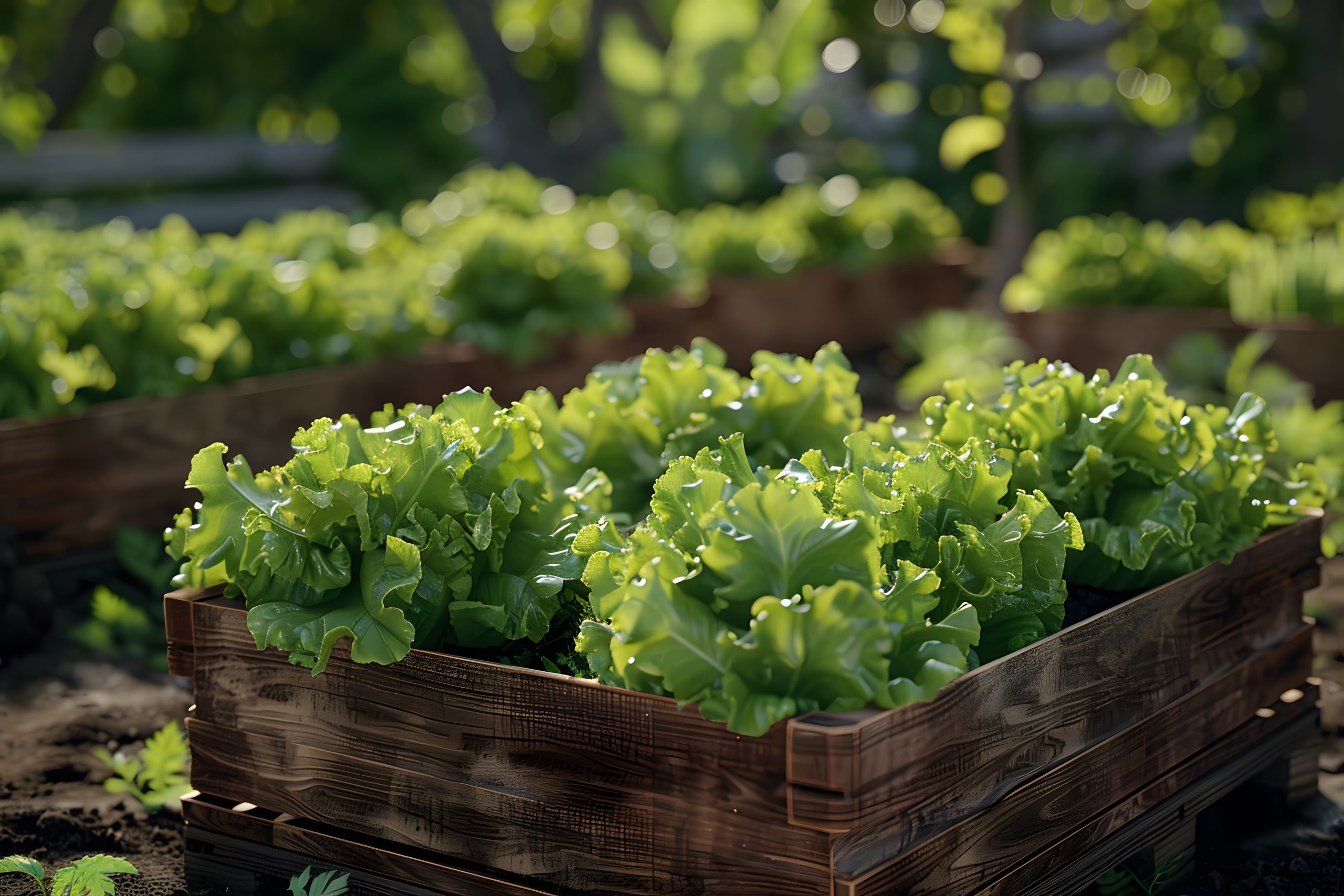
Leafy vegetables are among the most widely cultivated crops because they grow relatively quickly and are highly demanded by consumers. Vegetables such as spinach, lettuce, mustard greens, kale, and pak choi are important sources of vitamins, minerals, and fiber. To produce leafy vegetables with good quality and high yields, farmers must ensure that plants receive sufficient nutrients during their growth.
Fertilization is one of the most important cultivation practices in leafy vegetable production. Proper fertilization helps plants grow faster, develop healthy leaves, and produce higher yields. Because leafy vegetables are harvested for their leaves, nutrient management must focus on supporting strong vegetative growth. Therefore, effective fertilization strategies are necessary to ensure optimal production while maintaining soil fertility.
Table of Content
- Nutrient Needs of Leafy Vegetables
- Types of Fertilizers for Leafy Vegetable Crops
- Principles of Effective Fertilization
- Fertilization Methods in Leafy Vegetable Cultivation
- Environmental and Soil Health Considerations
Nutrient Needs of Leafy Vegetables
Leafy vegetables generally require a large amount of nutrients, especially nitrogen. Nitrogen plays a key role in the formation of chlorophyll, which is essential for photosynthesis and leaf development. When nitrogen is available in sufficient quantities, plants produce greener, larger, and more vigorous leaves.
Besides nitrogen, other nutrients are also important. Phosphorus supports root development, allowing plants to absorb water and nutrients more efficiently from the soil. Potassium strengthens plant tissues, improves plant resistance to diseases, and helps regulate water balance within the plant.
Leafy vegetables also require secondary nutrients such as calcium, magnesium, and sulfur, as well as micronutrients like iron, zinc, and boron. Although these nutrients are needed in smaller amounts, they are still essential for maintaining healthy plant growth and preventing nutrient deficiencies.
Because leafy vegetables grow quickly and are harvested within a short time, nutrient availability in the soil must be maintained continuously. If the soil lacks nutrients, plant growth may slow down and leaf production will decrease.
Types of Fertilizers for Leafy Vegetable Crops
Farmers generally use two main types of fertilizers in leafy vegetable cultivation: organic fertilizers and inorganic fertilizers.
Organic fertilizers include compost, livestock manure, and plant residues. These fertilizers improve soil structure, increase organic matter content, and enhance soil microbial activity. Organic fertilizers also help the soil retain water and nutrients more effectively, which benefits plant growth over the long term.
Inorganic fertilizers, also known as mineral fertilizers, contain nutrients in forms that can be quickly absorbed by plants. Common examples include urea for nitrogen, superphosphate for phosphorus, and potassium chloride for potassium. These fertilizers are often used to supply nutrients rapidly, especially during periods of active plant growth.
Many farmers combine organic and inorganic fertilizers to obtain the benefits of both. Organic fertilizers improve soil health, while inorganic fertilizers provide readily available nutrients that support rapid plant development.
Principles of Effective Fertilization
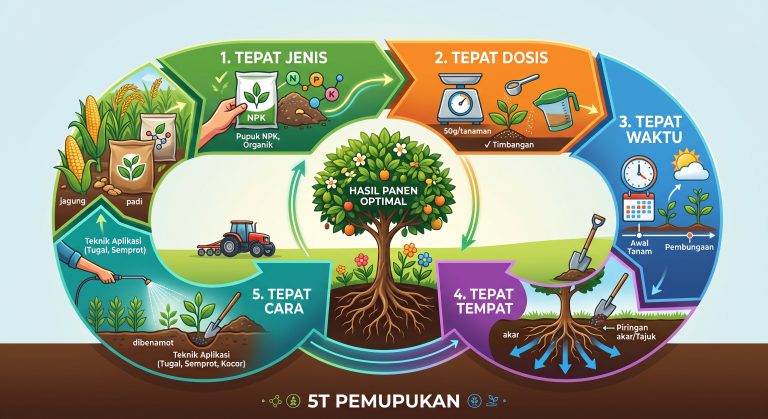
To achieve efficient fertilization, farmers should follow proper nutrient management principles. One widely recommended approach is the application of fertilizers based on the right product, right rate, right time, and right place.
The right product means choosing fertilizers that match the nutrient requirements of leafy vegetables. Since these crops require high nitrogen levels for leaf growth, nitrogen-rich fertilizers are often applied during the early growth stages.
The right rate refers to applying fertilizers in appropriate amounts. Excessive fertilizer use can cause nutrient imbalances, environmental pollution, and unnecessary production costs. On the other hand, insufficient fertilization can limit plant growth and reduce yield.
The right time means applying fertilizers when plants need them most. In leafy vegetable production, fertilizers are often applied before planting and supplemented during plant growth. Split applications are commonly used so that nutrients remain available throughout the growing period.
The right place refers to applying fertilizers close to the plant root zone. This allows roots to absorb nutrients efficiently and reduces nutrient losses due to runoff or leaching.
Fertilization Methods in Leafy Vegetable Cultivation
Several fertilization methods are commonly used in leafy vegetable farming. Basal fertilization is usually applied during land preparation before planting. This method ensures that the soil contains sufficient nutrients for seedlings during early growth.
Side dressing is another method that involves applying fertilizers around the plants during their growth period. This technique is particularly useful for supplying additional nitrogen to support leaf development.
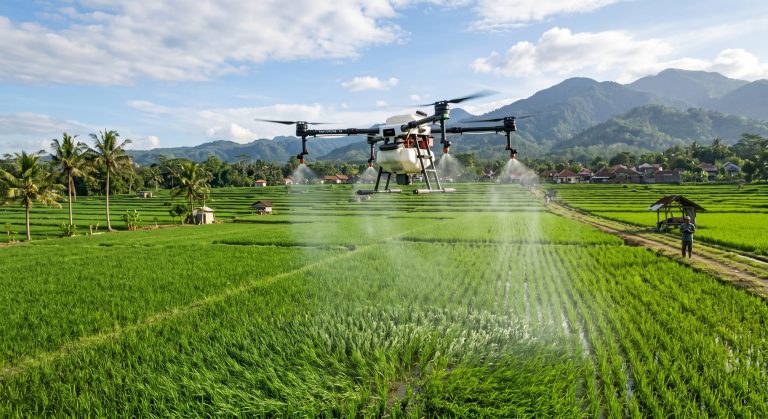
In more advanced vegetable production systems, fertigation is often used. In this method, fertilizers are dissolved in irrigation water and delivered directly to the root zone through drip irrigation. Fertigation allows farmers to provide nutrients more precisely and improve fertilizer efficiency.
Foliar fertilization can also be used when plants show signs of nutrient deficiency. In this method, nutrients are sprayed directly onto the leaves so they can be absorbed quickly by the plant.
Read also :
Chili Cultivation : Fertilization Techniques and Strategies
Environmental and Soil Health Considerations
Although fertilizers are essential for improving vegetable production, their improper use can cause environmental problems. Excess nutrients may be lost through runoff or leaching, which can pollute water sources and reduce fertilizer efficiency.
To prevent these problems, farmers should use fertilizers wisely. Soil testing is recommended to determine nutrient availability before fertilization. Adding organic matter such as compost can also improve soil fertility and enhance nutrient retention.
Sustainable fertilization practices not only increase crop productivity but also maintain soil health for future farming. By managing nutrients properly, farmers can produce high quality leafy vegetables while protecting the environment.
Optimize Fertilization for Maximum Leafy Vegetable Yields
Ensure that every nutrient provided is fully absorbed and produces tangible results in the field. The right fertilization strategy not only increases productivity but also maintains crop quality.
Conduct testing with IML Testing and Research through efficacy and content testing to ensure your fertilizer is working optimally, effectively, and reliably.
Conclusion
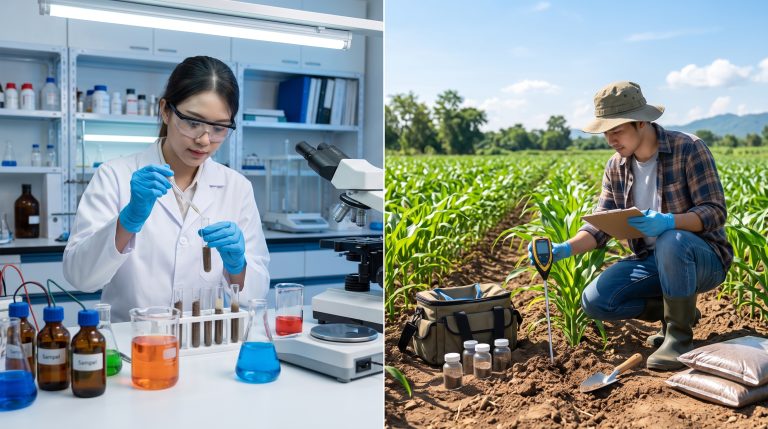
Effective fertilization is a key factor in successful leafy vegetable production. These crops require sufficient nutrients, especially nitrogen, to support rapid leaf growth and produce high quality harvests. By combining organic and inorganic fertilizers and applying them according to proper nutrient management principles, farmers can improve plant growth and maximize yields.
In addition, sustainable fertilization practices help maintain soil fertility and reduce environmental impacts. With proper nutrient management, leafy vegetable cultivation can remain productive, efficient, and environmentally friendly.
Author : Fachry
Editor : Alphi
References
Fertilizers Europe. (2018). Fertilizer basics: Why we need fertilizers, where they come from, how they work, and how they are used. Brussels: Fertilizers Europe.
Maguire, R., Alley, M., & Flowers, W. (2019). Fertilizer types and calculating application rates. Virginia Cooperative Extension, Virginia Tech.
Purba, T., Situmeang, R., Rohman, H. F., Mahyati, A., Firgiyanto, R., Junaedi, A. S., … Suhastyo, A. A. (2021). Pupuk dan teknologi pemupukan. Medan: Yayasan Kita Menulis.