


Why Fermented Green Tea Requires Lab Testing Before Marketing?

How does fermentation change the flavor of green tea? Learn about the mechanisms of biofilm formation, enzymes (cellulase), and bioactive compounds (acetic acid, polyphenols).

How does fermentation change the flavor of green tea? Learn about the mechanisms of biofilm formation, enzymes (cellulase), and bioactive compounds (acetic acid, polyphenols).

What's the difference between green tea and matcha? Learn about the differences in cultivation (shading), L-theanine vs. EGCG content, and the processing of Camellia sinensis leaves!

Get to know Candida albicans! Understand oral thrush and vulvovaginitis, triggers (diabetes/antibiotics), and the importance of antifungal testing for your products!

Did you know that birth style influences gut microbial colonization? Check out the differences in bacterial dominance in stunted (Desulfovibrio) and normal (Lactobacillus) children!

Laboratory researchers have discovered that the Amazonian fungus Pestalotiopsis microspora can "eat" polyurethane plastic! Learn about this unique biodegradation mechanism!

A cosmetic revolution! Understand the role of probiotics, prebiotics, and postbiotics in skincare. Discover EPS that fight aging and strengthen the skin barrier!

Test your oral health products! Learn about Strep Throat (GABHS), the importance of accurate diagnosis, and why your antiseptic products must pass microbiological testing!

Gut microbes fight toxins! Learn about two ways the microbiome modulates toxicity (chemical transformation and absorption) and five key enzyme groups!

The facts behind the bacterial Latiao case! Understand the dangers of food contamination by microbes (Salmonella, B. cereus) and the role of GMP & HACCP in food safety.

Uncover the secrets of halal testing! Understand the importance of authentication, the types of vulnerable foods (gelatin, meat), and modern verification technologies (PCR, GC-MS).

It turns out bacteria talk to each other! Understand the mechanisms of quorum sensing (chemical signals), the evolution of physical signals (electricity and light), and how they interact.

Alcohol vs. non-alcohol hand sanitizer: Understand the differences, effectiveness, and mechanism of action of antiseptics to choose the most effective hand sanitizer against microbes.

Bacteria aren't always bad. Learn about the beneficial roles of bacteria in health (probiotics), the environment (bioremediation), and the food industry (fermentation).
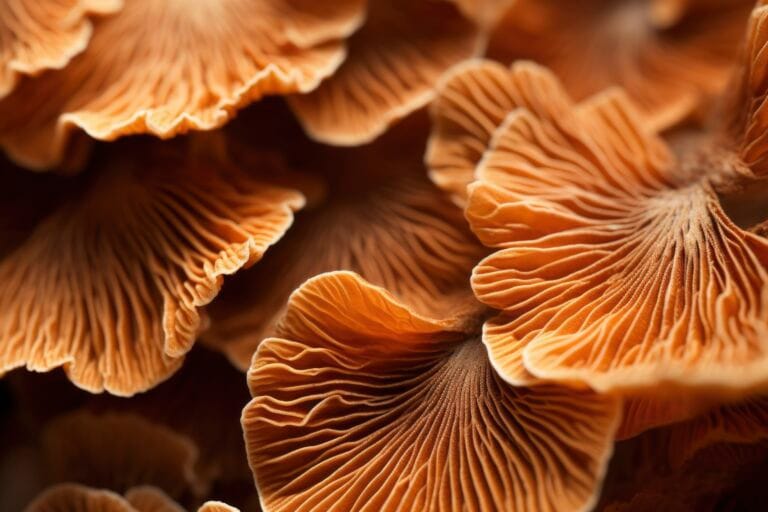
Products from mushrooms! Learn about mycelium as an environmentally friendly alternative material for textiles, packaging, and building materials, and its fermentation process.

Why do cosmetics need preservatives? Learn about the role of antimicrobials in maintaining product stability, safety criteria, and side effects on the skin.

Learn about microbiota and microbiome, two important components of the human body that influence digestion, immunity, and mental health.

More accurate disease detection! Understand the role of Polymerase Chain Reaction (PCR) in molecular diagnostics, how it works, 5 key techniques, and its applications in medicine and forensics.
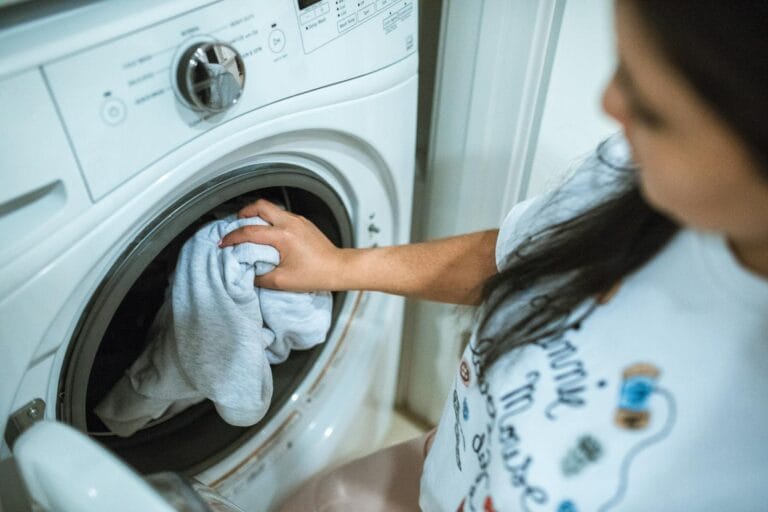
Clothes not completely clean? Understand the role of Mycobacterium osloensis bacteria that causes musty odors, as well as effective ways to eliminate microbes using temperature, detergent, and drying.

Nanotechnology is transforming cosmetics! Learn how nanoparticles enhance the penetration of active substances, types of nanosystems, and the importance of testing nanotechnology products.

Tackling plastic waste with extremophilic microbes! This article explores the characteristics of plastic, the role of decomposing bacteria, and the prospects of biocatalysis for the environment.

A superbug is a term used to describe bacteria, viruses, or fungi that have developed resistance to multiple antibiotics. These microbes can cause infections that are difficult or even impossible to treat with existing medications. The spread of superbugs can…