Microbe-Free Clothing Through Washing and Drying


- Microbes on Clothing and Influencing Factors
- Eliminating Pathogenic Microbes in Washing
- The Importance of Drying in Reducing Microbes
Washing clothes is an important step in preventing the spread of diseases and removing odor-causing microorganisms. Clothes worn during various activities often develop musty and sweaty odors. These odors are caused by Mycobacterium osloensis, the main bacteria responsible for producing volatile compounds like 4-methyl-3-hexenoic acid (4M3H), which gives off the characteristic smell.
The types of microbes found on clothing can vary depending on the household, community, or region. Several factors influence these differences, such as washing methods, socioeconomic conditions, access to laundry facilities, and detergent choices. Nowadays, most people use washing machines, even in developing countries.
However, handwashing is still common, especially for delicate fabrics or clothes that cannot be machine-washed. The washing process involves several steps that affect the removal of microbes from clothes and the diversity of microorganisms remaining on textiles.
Microbes on Clothing and Influencing Factors

According to epidemiological studies, fabrics can act as a medium for spreading infections through washing. Most pathogens are present on clothes and textiles before they are washed. One study found that Salmonella bacteria were present on 15% of household sponges and 3% of hand or face towels. Several factors influence the presence of microbes on clothing, including:
- Fabric thickness. Thicker fabrics provide more protection for bacteria, making them more resistant to washing and drying
- body contact areas. Underwear and face towels contain more bacteria than outer clothing like shirts
- weather and temperature. Hot weather increases sweat production, which promotes bacterial growth
- washing and drying conditions. Microbes survive better at lower washing temperatures and with shorter drying times.
Eliminating Pathogenic Microbes in Washing
The effectiveness of washing in removing harmful microbes depends on proper washing and drying practices. The recommended washing temperature for reducing microbial contamination is between 40°C and 60°C. However, some bacteria, such as Acinetobacter baumannii and Staphylococcus aureus, are heat-resistant and can survive drying. To eliminate 99.9% of these microbes, washing at temperatures above 60°C is necessary.
Apart from temperature, detergent and bleach selection also play a crucial role in killing pathogens. Some detergents can remove and inactivate viruses like SARS-CoV-2 and influenza. Research by Gerba and Kennedy suggests that activated-oxygen bleach (AOB) is more effective against Mycobacterium and viruses than chlorine bleach when used with detergent. This is because the high pH of detergents and the presence of dirt can reduce chlorine bleach’s effectiveness. In addition, the agitation created by washing machines helps remove microbes from clothing.
The Importance of Drying in Reducing Microbes
After washing, proper drying is a crucial step in further reducing microbes. There are two main drying methods:
- Machine drying at high temperatures (>60°C): This effectively eliminates microbes, including Acinetobacter baumannii and Staphylococcus aureus.
- Sun drying: Sunlight helps kill some microbes. However, in humid conditions, microbial growth may still occur.
Sunlight contains ultraviolet (UV) rays, which have germicidal properties that kill bacteria and viruses. UV-C rays, with the shortest wavelength and highest energy, are the most effective at destroying microbial DNA and RNA.
Effective laundry practices involve choosing the right temperature, using suitable detergents, and applying proper drying methods. A combination of high temperatures, activated-oxygen bleach, and optimal drying can enhance the removal of microbes, keep clothes hygienic, and reduce the risk of disease transmission and unpleasant odors.
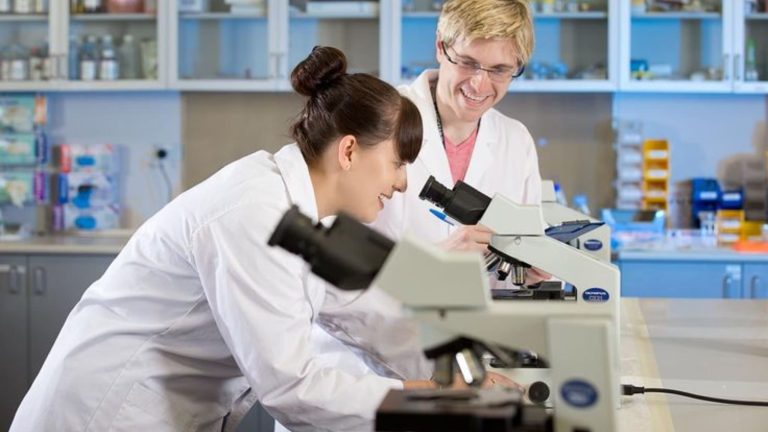
Each laundry product has different claims of effectiveness, ranging from eliminating odors to eliminating disease-causing microbes. To truly prove these claims, laboratory testing is required to provide accurate and reliable data.
Author: Safira
Editor: Sabilla Reza
References:
Abney, S. E., Ijaz, M. K., McKinney, J., dan Gerba C. P. 2021. Laundry Hygiene and Odor Control: State of The Science. Applied and Environmental Microbiology, vol. 87(14).
Theseepcompany. 2025. Does The Sun Kill Bacteria: Exploring The Sun’s Natural Disinfecting Power. Tersedia: https://theseepcompany.com/blogs/the-seep-blog/does-the-sun-kill-bacteria#:~:text=Hanging%20clothes%20out%20to%20dry,which%20harbour%20bacteria%20more%20easily, diakses pada 5 Maret 2025.