Halal Food: Strategic Significance, Authentication Needs, and Modern Verification Technologies


Halal food is not merely a matter of religious observance; it also represents quality, safety, and integrity within the global food supply chain. As the global Muslim population is projected to reach 2.2 billion by 2030, the halal food market is expected to exceed USD 1,400 billion by 2020 and could grow tenfold by 2050. This makes halal food a strategic issue in the global food industry.
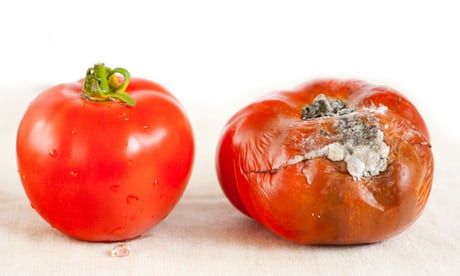
Halal status cannot be determined merely by taste, smell, or appearance. Today, Muslim consumers heavily rely on halal labels and certifications issued by official bodies such as JAKIM in Malaysia or MUI in Indonesia. However, frequent incidents of false halal claims, cross-contamination, and lack of transparency in the supply chain often lead to doubts about the authenticity of halal products.
Types of Food That Require Halal Authentication
It is essential to understand the types of food that need to be closely examined for halal compliance. These include meat and meat-based products, gelatin products, fermented foods and beverages, mixed processed foods, genetically modified (GMO) products, and dairy products. Meats such as beef, chicken, lamb, minced meat, sausages, and meatballs require halal authentication due to their susceptibility to adulteration with pork for economic reasons—pork is cheaper than most other meats.
The challenge lies in the difficulty of distinguishing meat types visually and ensuring slaughtering processes comply with Islamic law. Gelatin-based products like chewing gum, marshmallows, and pharmaceutical capsules also require authentication since gelatin is often derived from pigs. Pig-derived gelatin is widely used because it is cheap and readily available, yet it becomes difficult to detect once processed and is rarely clearly labeled.
Fermented foods and drinks may contain alcohol either as an added ingredient or as a byproduct of fermentation. According to MUI, alcohol in such products is considered non-halal if it is added intentionally, causes intoxication, or exceeds 0.5% in content. GMO products like soy and corn may be deemed non-halal if the genes used originate from haram organisms.
Detecting this requires specialized DNA testing, and genetic modifications are not visually observable. Furthermore, dairy products like cheese, yogurt, and ice cream may contain enzymes such as rennet, which can come from pigs or non-halal slaughtered animals.
Modern Technologies for Verifying Halal Food
To ensure product halal integrity, researchers have developed various authentication methods. Conventional techniques such as electrophoresis and physicochemical analysis are now complemented by advanced technologies like Polymerase Chain Reaction (PCR), which can detect trace amounts of pork DNA in meat and gelatin products. PCR is also applied in multiplex format to identify multiple sources of gelatin (beef, pork, and fish) in a single test.
Read more:
Difference between Conventional PCR and Real-Time PCR
In addition, instruments such as the electronic nose (E-nose) and biosensors have emerged as groundbreaking tools in halal authentication due to their ability to detect volatile compounds rapidly.
- The E-nose can identify the distinctive aroma of pork or alcohol in food and beverages, even in very small quantities.
- Enzyme-based biosensors, such as alcohol oxidase, enable quick detection of ethanol in fermented products.
Another widely used technique is Gas Chromatography–Mass Spectrometry (GC-MS), which separates and identifies aroma compounds and animal fats such as lard, often mixed into processed products for cost-related reasons. With its high sensitivity, GC-MS can detect contamination that is invisible to the naked eye. These technological advancements greatly assist the industry in maintaining the integrity of halal products.
However, challenges remain: high costs, the need for technical training, and limited access in developing countries mean that these technologies are not yet evenly implemented. Therefore, the integration of advanced technologies with strict certification policies, along with education for both consumers and producers, is a crucial step toward ensuring global halal food authenticity.
Ensure the halal status of your food products is scientifically guaranteed. Conduct halal testing at IML Research using modern methods such as PCR, GC-MS, and biosensors to detect non-halal contamination with high accuracy. Trust your product’s halal analysis to IML Research, an accredited laboratory with accurate, comprehensive, and reliable test results.
Author: Safira
Editor: Sabilla Reza
References:
Ng, P. C., Ruslan, N. A. S. A., Chin, L. X., Ahmad, M., Hanifah, S. A., Abdullah, Z., & Khor, S. M. (2022). Recent advances in halal food authentication: Challenges and strategies. Journal of Food Science, 87(1), 8–35. https://doi.org/10.1111/1750-3841.15998