Original or Fake Cosmetics? Know the Characteristics and Dangers


Nowadays, cosmetic products are widely available on the market in various types and brands, catering to the needs of both women and men, as well as skincare for everyone from babies to adults. The widespread circulation of cosmetics not only comes directly from manufacturers but also involves numerous distributors and intermediaries who pass products from hand to hand. The involvement of many parties in the distribution chain makes it difficult to fully trace the origin of the products. This situation creates an opportunity for irresponsible individuals to slip counterfeit products among genuine cosmetics.
Counterfeit cosmetics not only cause economic harm but also pose serious health risks, ranging from mild irritation to long-term skin damage. Without strict supervision and adequate consumer knowledge, fake products can easily enter the market and be used by the general public. Therefore, it is crucial for consumers to recognize the characteristics of counterfeit cosmetics, understand how they differ from authentic products, and be aware of the potential dangers associated with their use. This awareness is the first step in protecting oneself from the negative effects that may result from using illegal cosmetics.
- The Dangers and Production of Counterfeit Cosmetics
- How to Identify Counterfeit Cosmetics
- Smart Steps to Distinguish Genuine and Fake Cosmetics
- The Importance of Laboratory Testing for Product Safety
The Dangers and Production of Counterfeit Cosmetics
Counterfeit cosmetics are products made with unclear formulations. The active ingredients in these products are not tested or verified for safety by relevant authorities, and they are often concocted by individuals without proper expertise in cosmetics. Their production process frequently disregards hygiene procedures and regulatory standards. Low product hygiene and improper formulation can be harmful to the user's skin, possibly resulting in no noticeable improvements or negative effects such as irritation, rashes, and skin darkening.
How to Identify Counterfeit Cosmetics
Recognizing the characteristics of fake or adulterated products can help consumers make better choices.
1. Check the packaging information
Ensure the product has a distribution permit issued by BPOM RI (Indonesia's National Agency of Drug and Food Control) and that it matches the official registration. Even though counterfeit packaging often closely resembles the original, there are subtle differences that can be compared with the genuine version.
2. Pay attention to scent and texture
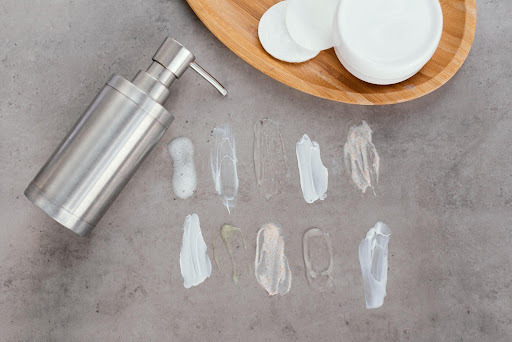
In general, the scent and texture of cosmetics cannot be perfectly replicated. Sticky textures and strong odors may indicate the presence of harmful substances such as heavy metals, hydroquinone, or textile dyes.
3. Beware of prices that are too low
Prices that are significantly below the market standard should raise suspicion. Counterfeit or mixed (oplosan) cosmetics are typically sold much cheaper due to low production costs. These products often contain unfit or expired ingredients.
4. Observe your skin’s reaction
Symptoms such as rashes, irritation, burning sensations, or blistering indicate that the product may contain toxic substances. Stop using the product immediately and consult a doctor or dermatologist.
Smart Steps to Distinguish Genuine and Fake Cosmetics
Distinguishing between genuine and fake cosmetics requires attentiveness and informed judgment from consumers. Here are some smart steps to take before purchasing and using cosmetic products:
1. Buy only from official stores
Whether online or offline, purchasing from official or trusted stores ensures product authenticity and quality.
2. Inspect the label and packaging
Make sure all information is clear and complete. Also, check that the outer and inner seals are intact and securely closed, indicating the product hasn’t been opened or used before.
3. Monitor your skin’s response during use
If you experience itching, redness, acne, or irritation, stop using the product and seek advice from medical professionals or a dermatologist.
4. Don’t be tempted by instant results
Each person’s skin reacts differently, and quick-result claims are often associated with harmful formulations
The Importance of Laboratory Testing for Product Safety
To ensure product safety, request additional information from the seller or manufacturer, such as lab test results supporting the product’s claimed benefits and safety. Scientific evidence is important as a form of transparency and consumer protection. By understanding the differences between genuine and fake products and taking proper preventive measures, consumers can avoid harmful side effects and still enjoy the full benefits of the cosmetic products they use.
Have your cosmetic products tested at IML Research, an accredited laboratory with accurate, comprehensive, and reliable test results. Ensure the safety and quality of your products before they go to market. Get your cosmetics tested at IML Research now!
Author: Delfia
Editor: Sabilla Reza
References:
Food and Drug Monitoring Agency (BPOM). 2021. BPOM Urges Public to Be Aware of Dangerous Counterfeit Cosmetics. Accessed May 15, 2025. Link: https://www.pom.go.id/berita/badan-pom-ingatkan-masyarakat-untuk-waspada-terhadap-peredaran-kosmetik-palsu-berbahaya
Department of State. ND. Fake Cosmetics and Their Health Risks. Accessed May 15, 2025. Link: https://dos.ny.gov/fake-cosmetics-and-their-health-risks