Pathogenic Bacterial Identification: 3 Methods to Use in the Laboratory

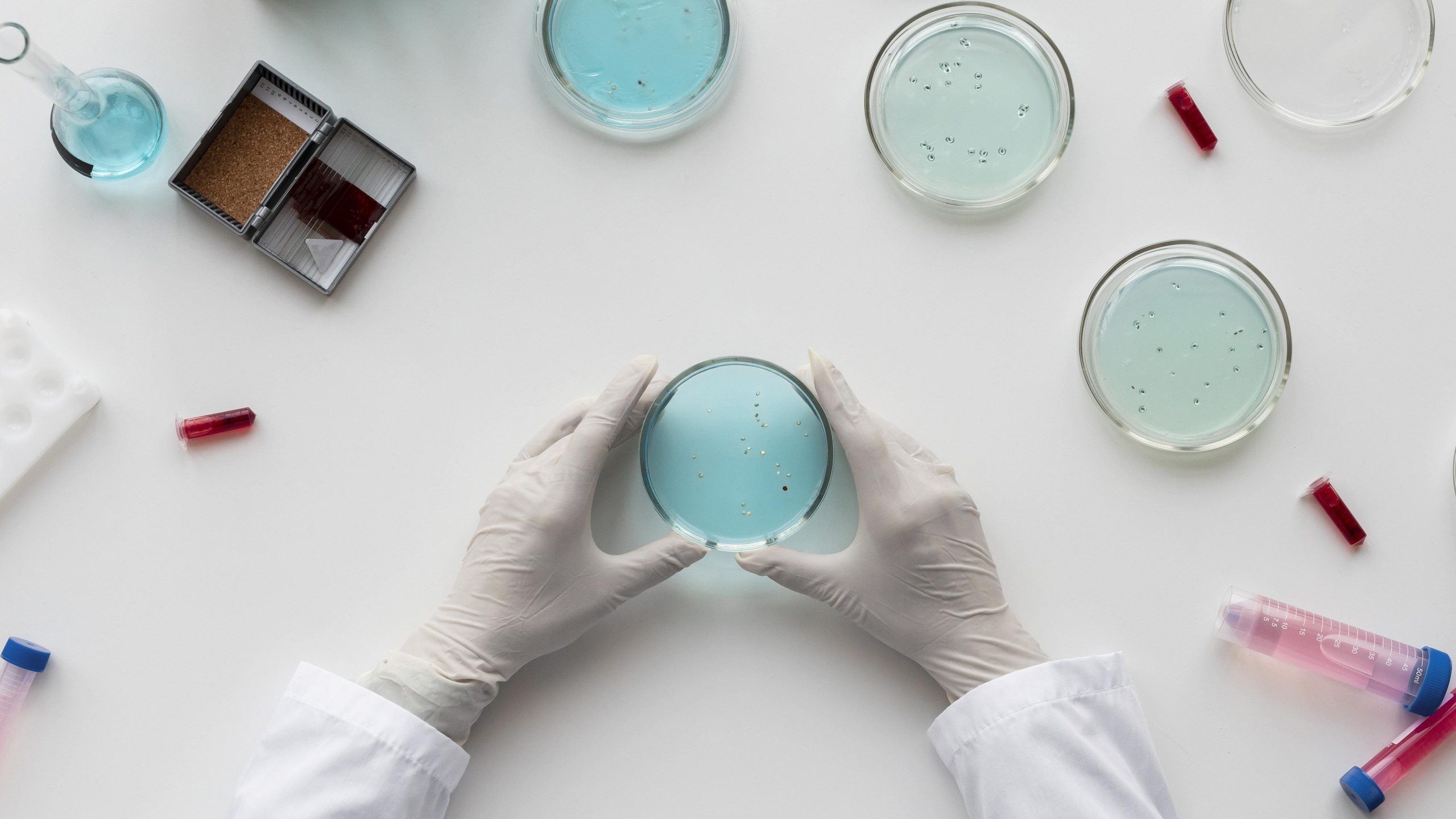
The presence of microorganisms in a sample needs to be confirmed through an identification process to distinguish pathogenic bacterial identification from other microorganisms. In the food, cosmetics, and pharmaceutical industries, identifying pathogenic bacteria plays a crucial role in ensuring product safety and quality.
Identification of pathogenic bacterial identification can also help companies assess whether their sanitation and hygiene procedures are working effectively. By identifying the type of bacteria found, the source of contamination can be traced, allowing for more targeted remedial measures.
Table of Content:
- What Is Pathogenic Bacterial Identification?
- Method 1: Colony Morphology Observation
- Method 2: Gram Staining
- Method 3: Biochemical Testing
What Is Pathogenic Bacterial Identification?
Pathogenic bacterial identification are microorganisms that can cause disease in humans, animals, and plants. The presence of these bacteria in products must be accurately identified to prevent health risks and ensure their quality.
Identification of pathogenic bacterial identification is the process of determining the identity of a bacterium down to the genus or species level based on specific characteristics. This process can be performed through observation of phenotypic traits, such as colony shape and biochemical activity, and can now be performed through molecular analysis that studies the bacteria's genetic material.
In microbiology practice, pathogenic bacterial identification goes beyond identifying the identified microorganisms. This information is also used to trace the source of contamination, determine appropriate control measures, and support decision-making in product quality and safety monitoring.
Read Also:
Detection of E. coli Virulence Genes as a Food Risk Prevention Measure
Method 1: Colony Morphology Observation
The initial stage of pathogenic bacterial identification usually begins with growing the bacteria in an appropriate culture medium. After incubation, colonies are observed for size, shape, color, texture, elevation, and other characteristics that can provide initial clues to the bacteria's identity.
For example, Pseudomonas aeruginosa is known to produce a bluish-green pigment on certain media such as Cetrimide Agar. Meanwhile, Escherichia coli can form pink colonies on MacConkey Agar due to its ability to ferment lactose.
These characteristics are often used as the initial step in the identification process. However, colony morphology cannot be used as a basis for definitive identification.
Some bacterial species can produce similar colony appearances, requiring additional methods to improve identification accuracy.
Method 2: Gram Staining
Gram staining is one of the most important methods for identifying pathogenic bacteria. This technique classifies bacteria into Gram-positive and Gram-negative based on differences in their cell wall structure.
With this method, Staphylococcus aureus will appear as purple Gram-positive cocci, while Escherichia coli, Salmonella spp., and Pseudomonas aeruginosa will appear as pink Gram-negative bacilli. This information helps the analyst determine the most appropriate next steps in identification.
In addition to differentiating bacterial groups, Gram staining also provides information about the shape and arrangement of the cells. Therefore, this method is almost always performed before biochemical tests or other confirmatory methods.
Method 3: Biochemical Testing
Biochemical tests are performed to evaluate the metabolic ability of bacteria to various substrates and chemical compounds. Each species has a distinct enzyme activity pattern that can be used as a basis for identification.
In Escherichia coli, identification is often performed using a series of IMViC tests consisting of Indole, Methyl Red, Voges-Proskauer, and Citrate. The combination of these test results helps distinguish E. coli from other members of the Enterobacteriaceae family.
Identification of Salmonella spp. generally involves observing the ability to produce hydrogen sulfide on differential media and evaluating the results of citrate and urease tests. The reaction patterns obtained are then compared with previously known bacterial characteristics.
In Pseudomonas aeruginosa, the oxidase test is often used because this bacterium produces positive results. The ability to produce distinctive pigments and grow on selective media are also characteristics that aid the identification process.
Meanwhile, identification of Staphylococcus aureus generally involves catalase and coagulase tests. This combination of test results has long been used as a conventional approach to distinguishing S. aureus from other Staphylococcus species.
Get a Free Consultation for Pathogenic Bacteria Testing
Ensure that the bacterial identification method matches your sample type and product requirements. Get a free consultation with IML Testing & Research to determine the appropriate microbiological testing method and obtain accurate, reliable results.
Author: Dherika
Editor: Lina
Referensi
Arbefeville, S. S., Timbrook, T. T., & Garner, C. D. (2024). Evolving strategies in microbe identification—a comprehensive review of biochemical, MALDI-TOF MS and molecular testing methods. Journal of Antimicrobial Chemotherapy, 79(Suppl 1), i2–i8.
Váradi, L., Luo, J. L., Hibbs, D. E., Perry, J. D., Anderson, R. J., Orenga, S., & Groundwater, P. W. (2017). Methods for the detection and identification of pathogenic bacteria: past, present, and future. Chemical Society Reviews, 46(16), 4818–4832.