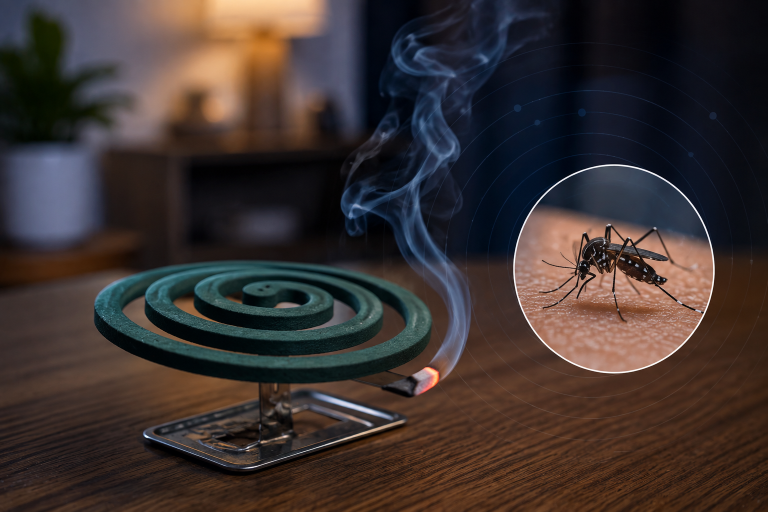
The Culex quinquefasciatus Mosquito and the Importance of Testing the Efficacy of Mosquito Repellent Drugs

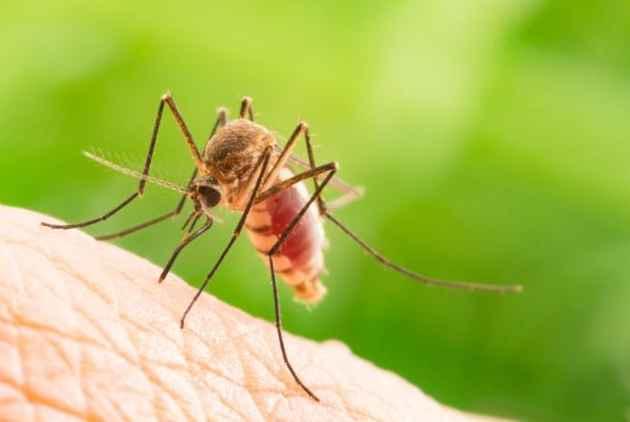
Mosquitoes are among the most significant vectors of infectious diseases worldwide, posing serious risks to public health and quality of life. While Aedes aegypti often receives the greatest attention due to its role in transmitting dengue fever, Culex quinquefasciatus is also an important mosquito species responsible for spreading lymphatic filariasis and several arboviruses in many tropical and subtropical regions.
As a result, testing mosquito repellent and insecticide products against Culex quinquefasciatus is a critical step before these products are introduced to the market. Laboratory efficacy testing provides scientific evidence that a mosquito control product performs as intended.
It verifies product claims, supports regulatory approval, and helps manufacturers develop safer and more effective formulations. Most importantly, efficacy testing ensures that consumers receive products capable of providing reliable protection against target mosquito species.
Table of Content:
- Why Is Culex quinquefasciatus an Important Test Species?
- Verifying Product Effectiveness
- Detecting Insecticide Resistance
- Supporting Research and Product Development
- Meeting Regulatory Requirements
- Building Consumer Confidence
Why Is Culex quinquefasciatus an Important Test Species?
Culex quinquefasciatus is one of the most widely distributed mosquito species in urban and suburban environments. It commonly breeds in polluted water sources such as drainage systems, septic tanks, sewage channels, and stagnant water containing high levels of organic matter.
Unlike Aedes mosquitoes, which are primarily active during the daytime, Culex quinquefasciatus is a nocturnal species. Its nighttime biting behavior frequently causes sleep disturbance and discomfort, while its ability to transmit lymphatic filariasis makes it an important public health concern in many countries.
Because mosquito species differ in their biology, behavior, and susceptibility to insecticides, a product proven effective against one species cannot automatically be assumed to work equally well against another. Therefore, efficacy testing specifically using Culex quinquefasciatus is essential to confirm product performance.
Read Also:
Larvicide Efficacy Test, The Right Solution to Control Mosquito Population!
Verifying Product Effectiveness
Manufacturers offer a wide variety of mosquito control products, including aerosol sprays, mosquito coils, electric vaporizers, liquid repellents, lotions, and botanical insecticides. Many of these products claim to kill mosquitoes rapidly, repel mosquitoes for extended periods, or provide continuous household protection.
Such claims should always be supported by scientific data generated through standardized laboratory testing. During efficacy evaluations, researchers typically measure several important parameters, including:
- Mosquito mortality after exposure.
- Knockdown time before mosquitoes lose the ability to fly.
- Repellent activity against mosquitoes.
- Duration of protective effectiveness.
- Consistency of product performance across repeated tests.
These results provide objective evidence that the product performs according to its intended purpose and supports the accuracy of marketing claims.
Detecting Insecticide Resistance
One of the greatest challenges in mosquito control is the development of insecticide resistance. Continuous exposure to the same active ingredients can reduce mosquito susceptibility over time, making products less effective in controlling mosquito populations.
Testing mosquito repellents and insecticides against Culex quinquefasciatus helps identify whether existing formulations continue to provide adequate control or whether resistance has begun to emerge. This information enables manufacturers to improve formulations, optimize active ingredient concentrations, or introduce alternative modes of action before product performance declines significantly.
Resistance monitoring is therefore an essential component of long term mosquito management strategies and contributes to sustainable vector control programs.
Supporting Research and Product Development
Efficacy testing plays a vital role throughout the research and development process. Rather than relying solely on theoretical formulations, manufacturers can use laboratory data to refine products before commercial production.
Testing results help researchers compare multiple formulations, determine the most effective active ingredient concentrations, evaluate synergistic combinations of ingredients, and assess product stability over time. These scientific findings allow companies to produce mosquito control products that deliver consistent and reliable performance while meeting consumer expectations.
In addition, laboratory testing provides valuable information for continuous product improvement as mosquito populations and environmental conditions evolve.
Meeting Regulatory Requirements
Before mosquito control products can be legally marketed, they are generally required to demonstrate efficacy against their intended target organisms. Regulatory authorities often require laboratory evidence generated using standardized testing methods before granting product registration.
Testing against Culex quinquefasciatus provides credible scientific documentation that the product has been evaluated under controlled laboratory conditions and performs effectively against one of the world's most common mosquito species. These data strengthen registration dossiers and facilitate regulatory review.
Building Consumer Confidence
Consumers increasingly expect mosquito control products to deliver proven performance rather than relying solely on advertising claims. Products supported by laboratory efficacy studies provide greater confidence because their effectiveness has been scientifically validated.
For manufacturers, independently generated efficacy data also strengthen brand credibility, differentiate products in competitive markets, and support responsible marketing with evidence based claims.
Conclusion
Testing mosquito repellent products against Culex quinquefasciatus is an essential step in ensuring product quality, effectiveness, and regulatory compliance. Scientific efficacy testing confirms that mosquito control products perform as intended, helps detect insecticide resistance, supports product innovation, and provides reliable data for product registration.
As mosquito borne diseases continue to pose global health challenges, standardized laboratory testing remains one of the most important tools for developing effective mosquito control products that protect public health.
Ensure the Proven Effectiveness of Your Mosquito Repellent Product
IML Research and Testing provides professional laboratory services for evaluating mosquito repellents and insecticides against Culex quinquefasciatus using standardized testing methods. Our experienced scientists and well equipped laboratory facilities support research, product development, quality assurance, and regulatory registration with reliable and scientifically validated data.
Contact us today for a free testing consultation.
Author: Indah
Editor: Lina
References
World Health Organization. Guidelines for Efficacy Testing of Household Insecticide Products: Mosquito Coils, Vaporizer Mats, Liquid Vaporizers, Ambient Emanators and Aerosols.
Hemingway, J., & Ranson, H. (2000). Insecticide Resistance in Insect Vectors of Human Disease. Annual Review of Entomology, 45, 371–391.
Liu, N. (2015). Insecticide Resistance in Mosquitoes: Impact, Mechanisms, and Research Directions. Annual Review of Entomology, 60, 537–559.