Skincare Testing Laboratory: From Stability Testing to Microbial and Product Safety Evaluation

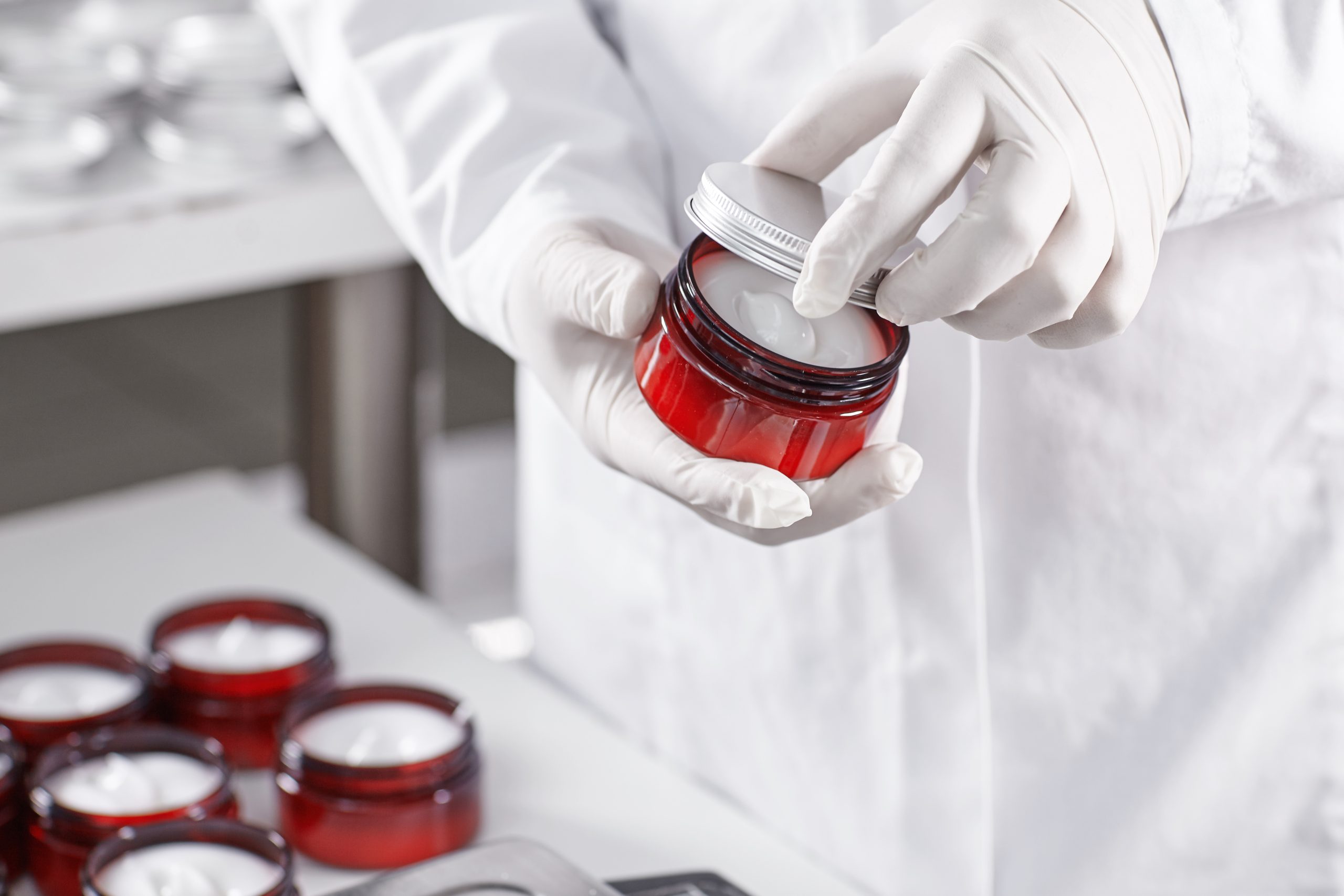
Skincare product development begins with a scientific formulation process, involving the selection and combination of raw materials, considering safety, quality, stability, and effectiveness. In the cosmetics industry, both at the research and development (R&D) laboratory level and once entering mass production, each formula must undergo a series of tests in a skincare testing laboratory before being declared marketable.
This is crucial because skincare is a product used directly on living organisms, especially humans, so safety aspects cannot be overlooked. In addition to providing the benefits claimed, the product must also be guaranteed to pose no health risks to its users.
Therefore, quality and safety testing in a skincare testing laboratory is an integral part of skincare product development.
Table of Content:
- Potential Contamination During the Production Process
- Common Types of Testing Performed in Skincare Testing Laboratory
- The Benefits of Each Test for Product Safety
- Ensure Cosmetic Products Have Passed Laboratory Testing
Potential Contamination During the Production Process
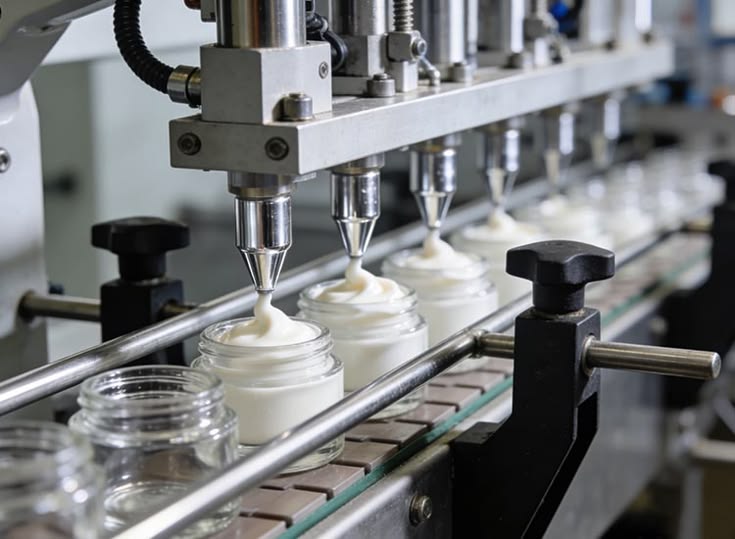
The skincare manufacturing process itself consists of many interrelated stages, starting with receiving raw materials and storing them according to requirements, opening the primary packaging, weighing, mixing, heating, cooling, stirring, and packaging the finished product. Ideally, this entire process should be carried out in a clean room with sterile equipment to maintain product quality.
However, the production process still involves operators, which can involve hand contact, air exposure, and the movement of equipment from one stage to another. These conditions can increase the risk of microbial contamination, heavy metal contamination, certain material residues, and the formation of undesirable by-products.
If not properly controlled, these various types of contamination can affect product quality and pose a risk to consumers.
Read Also:
Vitamin C Serum: Benefits for the Face, Mechanism of Action, and Stability Testing
Common Types of Testing Performed in Skincare Testing Laboratory
The numerous factors that can affect formulation stability and product safety require every skincare product to undergo various tests in a skincare testing laboratory. Common tests conducted in skincare testing labs include active ingredient levels, stability tests, microbial contamination tests, heavy metal contamination tests, solvent or specific material residue tests, pH tests, viscosity tests, organoleptic tests, and other quality parameters according to product characteristics.
These tests are not only necessary for internal company quality control but also a crucial part of the regulatory process before a product can be legally certified and officially distributed in Indonesia. The government, through applicable regulations, establishes various quality and safety requirements to ensure that cosmetics sold in the market are safe for public use.
Therefore, skincare tetsing laboratory test results serve as evidence that the product meets the required safety, quality, and quality standards.
The Benefits of Each Test for Product Safety
Each type of testing has a different but complementary purpose in ensuring the quality of skincare products. Active ingredient levels tested in a skincare testing laboratory aim to ensure the active ingredient content matches the formulation, monitor its stability during shelf life, support label claims, and ensure concentrations remain within safe and effective limits.
Heavy metal contamination testing is conducted to ensure the product is free of hazardous metals that can accumulate in the body and cause health impacts. Microbial contamination testing aims to ensure the product is not contaminated with bacteria, mold, or yeast that could potentially cause infection or accelerate product deterioration. Residue testing ensures there are no solvents or other substances remaining beyond permitted limits.
Meanwhile, stability testing is conducted to determine whether the color, aroma, texture, pH, viscosity, and active ingredient content remain stable during storage, thereby maintaining product quality until the end of its expiration date.
Ensure Cosmetic Products Have Passed Laboratory Testing
Conducting skincare testing laboratory on cosmetic products is not just about fulfilling regulatory requirements, but also demonstrating a commitment to providing safe, high-quality, and consistent products to consumers. Thorough testing helps manufacturers identify potential issues early, minimizing the risk of product damage or adverse user impacts.
In addition to increasing consumer confidence, skincare testing laboratory results also serve as the basis for maintaining consistent quality in each production batch. Therefore, every cosmetics industry player should make safety, stability, and quality testing a key part of the skincare product development and production process.
With the support of a competent skincare testing laboratory, cosmetic products can meet applicable standards while providing the best protection and benefits to their users.
Complete Your Skincare Testing with IML Testing and Research
Ensure your skincare products are not only attractive, but also stable, safe, and meet quality standards. Conduct stability, microbiology, safety, and other supporting parameters testing at IML Testing & Research skincare lab to strengthen product data before marketing.
Author: Delfia
Editor: Lina
References
Birteksöz Tan, A. S., Tüysüz, M., & Ötük, G. (2013). Investigation of preservative efficacy and microbiological content of some cosmetics found on the market. Pakistan Journal of Pharmaceutical Sciences, 26(1), 153–157. https://pubmed.ncbi.nlm.nih.gov/23261741/
Hassan, A. A., Alghamdi, A. A., Alzahrani, A. M., Alghamdi, R. A., Alharbi, A. S., & Alzahrani, F. A. (2024). Microbiological quality assessment of skin and body care cosmetics by using challenge test. Saudi Journal of Biological Sciences, 31(4), 103965. https://doi.org/10.1016/j.sjbs.2024.103965