


UVA and UVB: Understanding the Differences and How Strategies UV Protection Is Tested
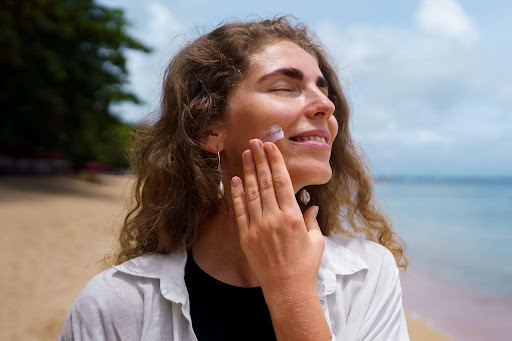
Learn the differences between UVA and UVB, their effects on the skin, and testing methods used to evaluate UV protection performance in sunscreen products.

Learn the differences between UVA and UVB, their effects on the skin, and testing methods used to evaluate UV protection performance in sunscreen products.
Discover the differences between AHA, BHA, and PHA, their skincare applications, and key considerations when selecting hydroxy acids for cosmetic formulations.
Learn about niacinamide analysis in cosmetics, including test methods, chemicals used, and quantitative determination to ensure product quality.
Learn the difference between PDRN and exosomes in skincare and how laboratory testing can verify their identity, quality, stability, safety, and product claims.
Verify AHA content in skincare products through laboratory testing to support product claims, quality, safety, and formulation consistency.
Does an SPF 50 sunscreen match its test results? Learn about SPF, UVA, stability, water-resistance, and laboratory claim-substantiation testing.
Looking for a reliable skincare testing laboratory? Discover the importance of stability, microbiological, and safety testing for cosmetic quality.
Discover how benefits of panthenol supports the skin barrier and why laboratory testing is essential for verifying product content, stability, quality, and efficacy.
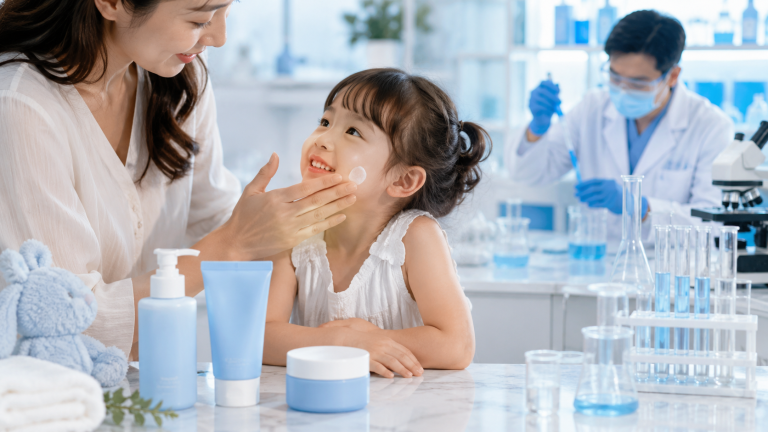
Why should children’s skincare undergo heavy metal testing? Learn the risks and verify product safety through laboratory testing at IML Testing and Research.
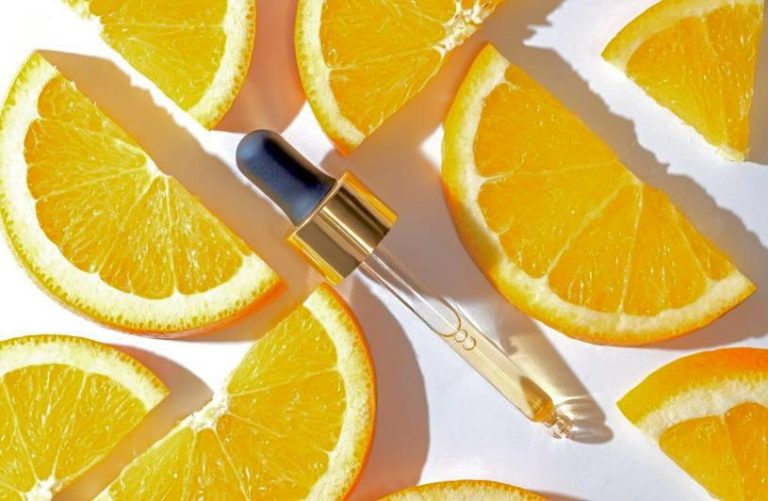
Has your Vitamin C serum changed color? Learn what causes the discoloration, whether it is still safe to use, and why stability testing is essential for maintaining cosmetic product quality and safety.
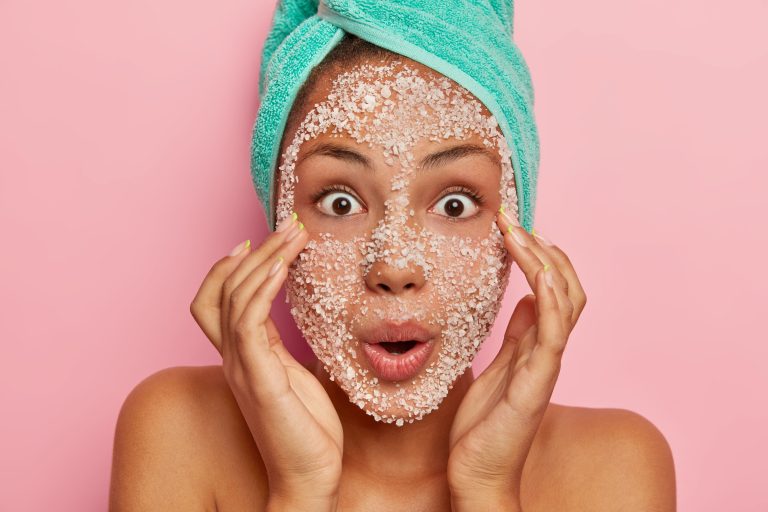
Learn the effects of over-facial exfoliation on the skin and how to choose the right exfoliating products to keep skin healthy, safe, and well cared for.
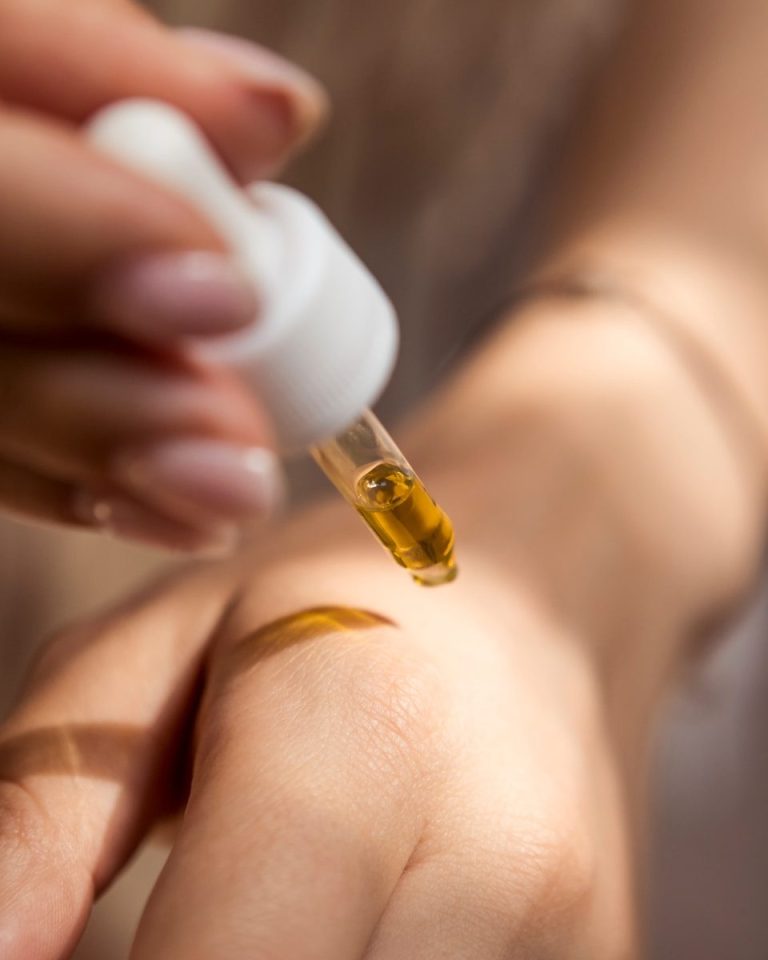
Viral skincare on social media is not always safe or suitable for every skin type. Learn why distribution permits, ingredients, product claims, and laboratory testing are important before skincare products are trusted and marketed.
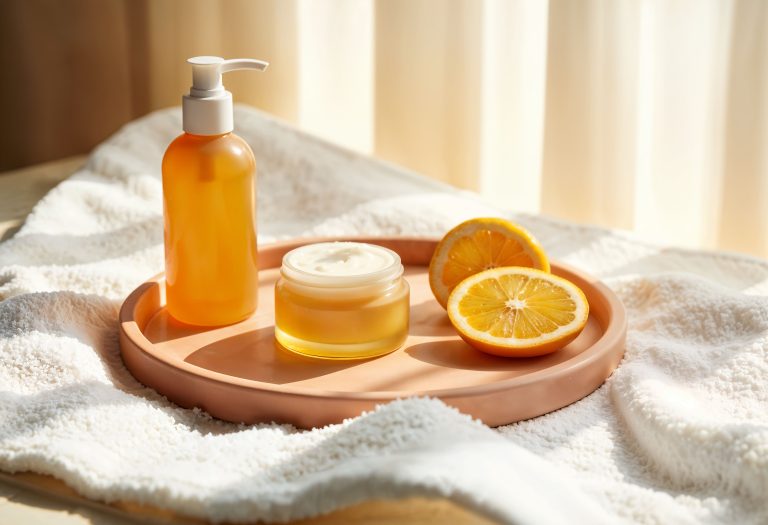
Vitamin C serum is one of the most popular skincare products because it is often associated with brighter looking skin, reduced dullness, and added protection against environmental exposure. However, behind these product claims, skincare brands need to pay attention to…

What is dermatological testing? understand its meaning before buying skincare and learn why product safety testing matters before trusting skincare claims.

Rising dollar impacts imported skincare actives like niacinamide, retinol & hyaluronic acid. Learn the impact, mitigation strategies & how IML Testing & Research keeps your formula consistent.
High prices skincare don't guarantee effective active ingredient levels in skincare. Learn why testing matters and how IML Testing & Research validates your formulation's true efficacy.

Skinimalism 2026 demands proven, effective products. Learn how IML Testing & Research helps skincare brands scientifically validate their claims and win selective consumers.
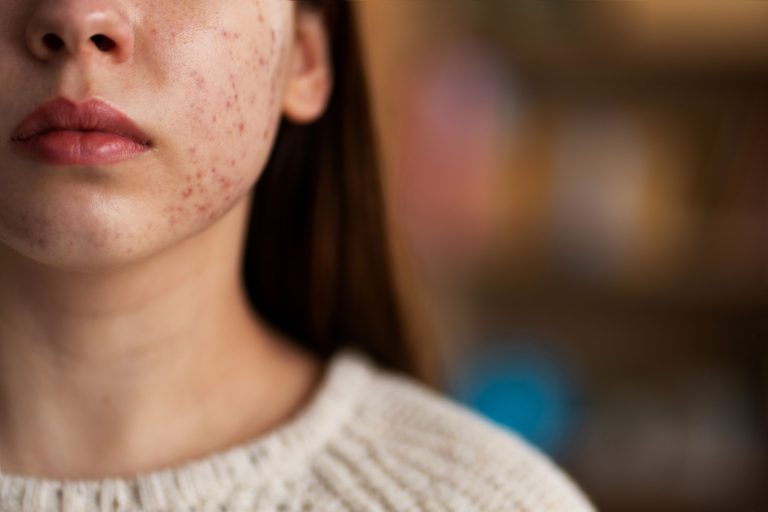
Are your anti acne skincare claims backed by microbiological testing? Learn why it matters and consult with IML Testing & Research a trusted lab recognized by BPOM RI
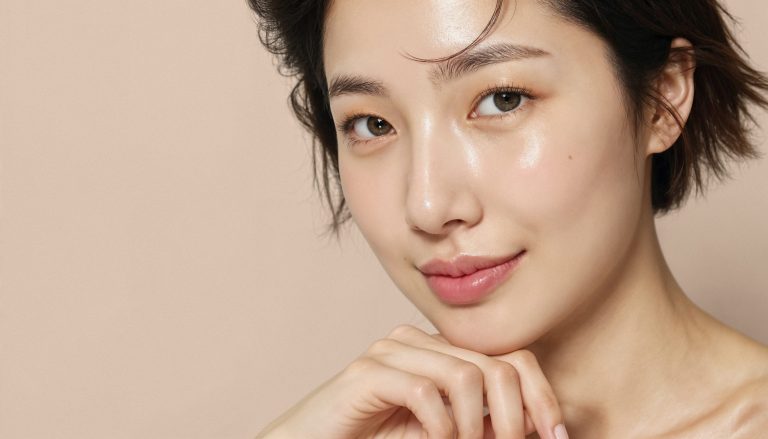
The Korean-style natural glow is setting a new standard in modern beauty trends, emphasizing healthy, radiant skin. Consumers are increasingly discerning when choosing skincare products proven to be effective. Therefore, every product needs to be backed by scientific data and accurate testing. This is crucial for maintaining consumer trust and enhancing brand competitiveness.
Microbiome friendly skincare products are supported by quality testing methods, microbial balance testing methods, and other testing methods. Learn more in this article and conduct lab tests to provide scientific validation for your products!