


UVA and UVB: Understanding the Differences and How Strategies UV Protection Is Tested
Learn the differences between UVA and UVB, their effects on the skin, and testing methods used to evaluate UV protection performance in sunscreen products.

Learn the differences between UVA and UVB, their effects on the skin, and testing methods used to evaluate UV protection performance in sunscreen products.
Understand SPF 30, SPF 50, and SPF 50+ and learn how SPF laboratory test results help evaluate sunscreen performance and support product claims.

Halal product testing helps detect the presence of non-halal materials through laboratory analysis. Learn how products are tested and why verification matters.
Discover 5 facts about physical sunscreen, including how zinc oxide and titanium dioxide work, their UV protection benefits, and why SPF testing is important to support product claims.
Discover the differences between AHA, BHA, and PHA, their skincare applications, and key considerations when selecting hydroxy acids for cosmetic formulations.
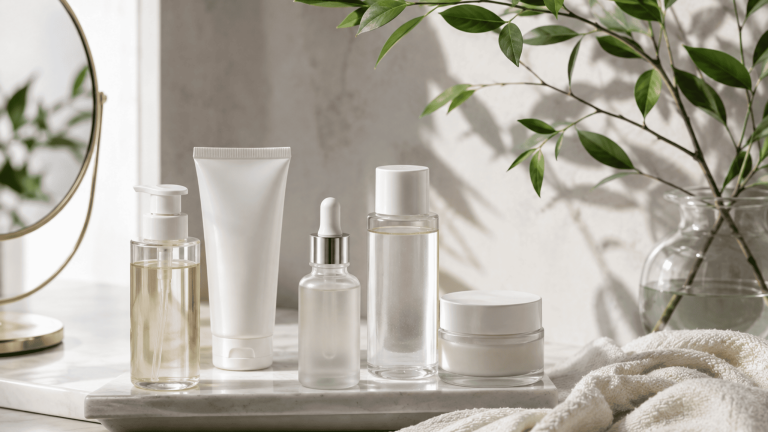
Learn the correct skincare order and how cosmetic efficacy can be scientifically evaluated through hydration, TEWL, sebum, anti-aging, and sunscreen testing.
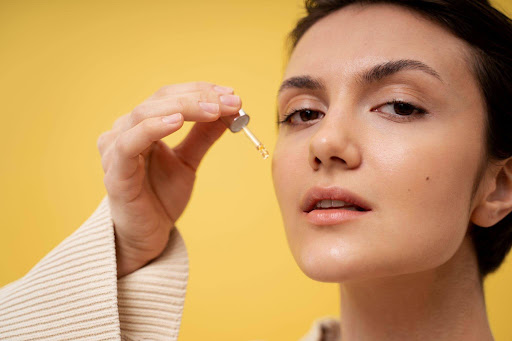
Learn about niacinamide analysis in cosmetics, including test methods, chemicals used, and quantitative determination to ensure product quality.
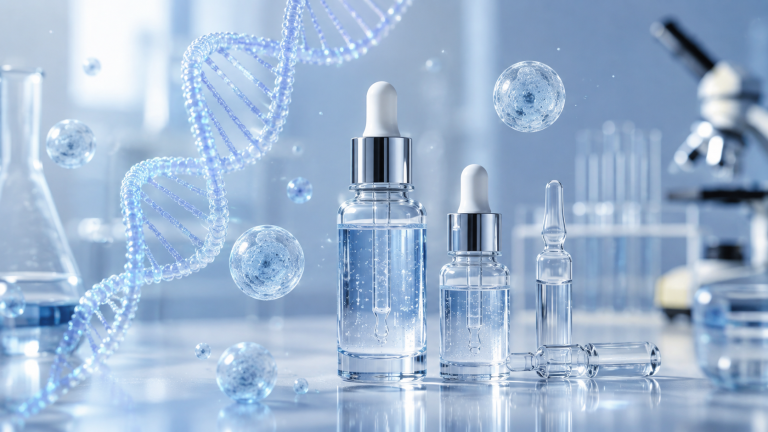
Learn the difference between PDRN and exosomes in skincare and how laboratory testing can verify their identity, quality, stability, safety, and product claims.
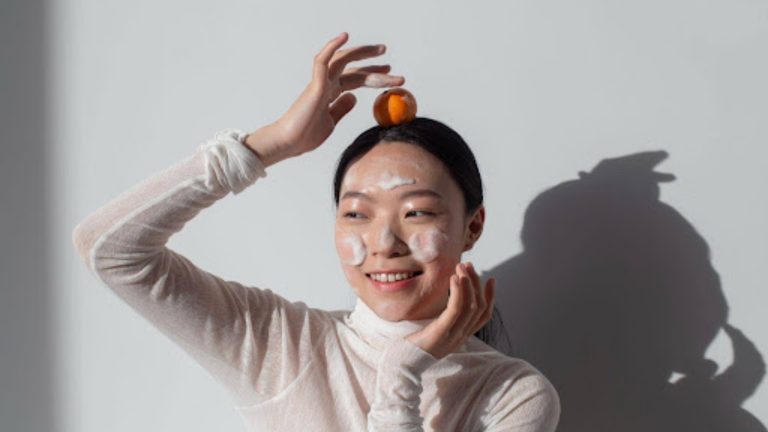
Verify AHA content in skincare products through laboratory testing to support product claims, quality, safety, and formulation consistency.
Does an SPF 50 sunscreen match its test results? Learn about SPF, UVA, stability, water-resistance, and laboratory claim-substantiation testing.
Does a panthenol moisturizers truly provide a soothing effect? Learn why product testing is essential for claim substantiation, quality, and safety.
Explore body serum benefits and ingredients and learn why stability, microbiological, safety, and efficacy testing are essential for product quality.
Looking for a reliable skincare testing laboratory? Discover the importance of stability, microbiological, and safety testing for cosmetic quality.
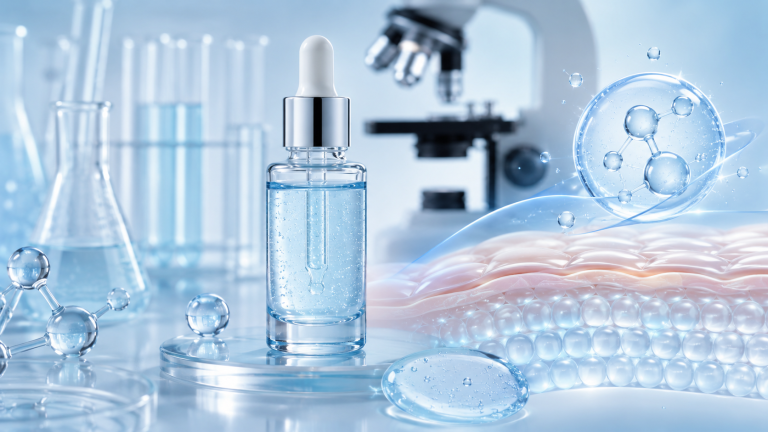
Discover how benefits of panthenol supports the skin barrier and why laboratory testing is essential for verifying product content, stability, quality, and efficacy.
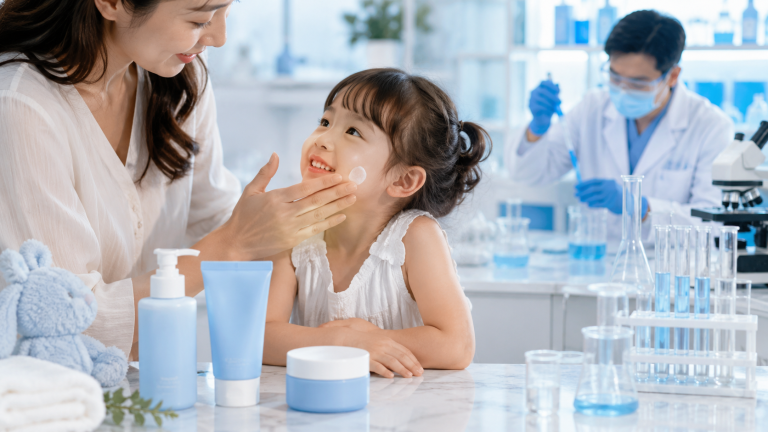
Why should children’s skincare undergo heavy metal testing? Learn the risks and verify product safety through laboratory testing at IML Testing and Research.
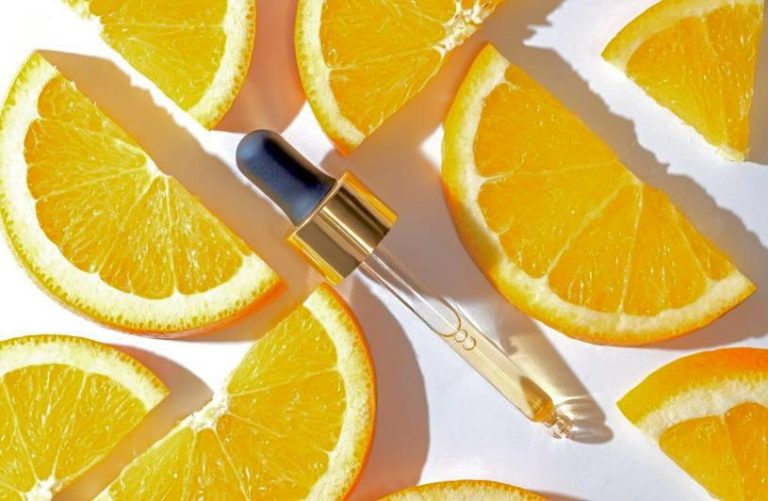
Has your Vitamin C serum changed color? Learn what causes the discoloration, whether it is still safe to use, and why stability testing is essential for maintaining cosmetic product quality and safety.
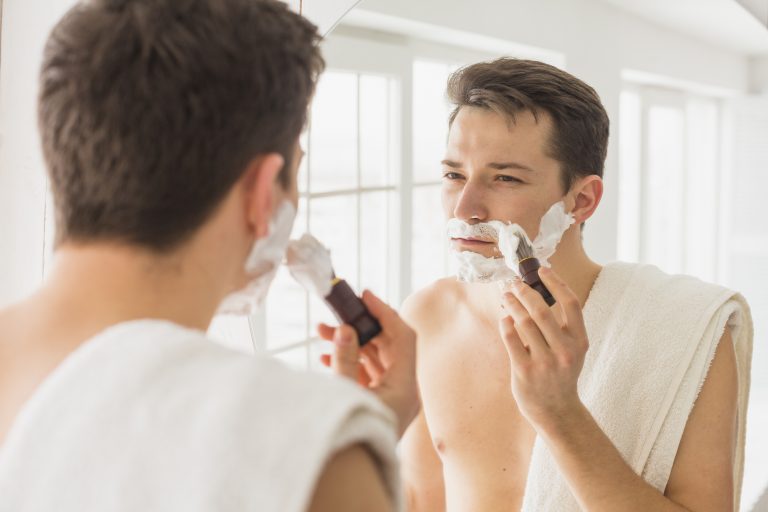
Men’s grooming is on the rise: make sure products are safe and tested before entering the market. Learn why laboratory testing is important to support safety, quality, and claims for men’s personal care products.
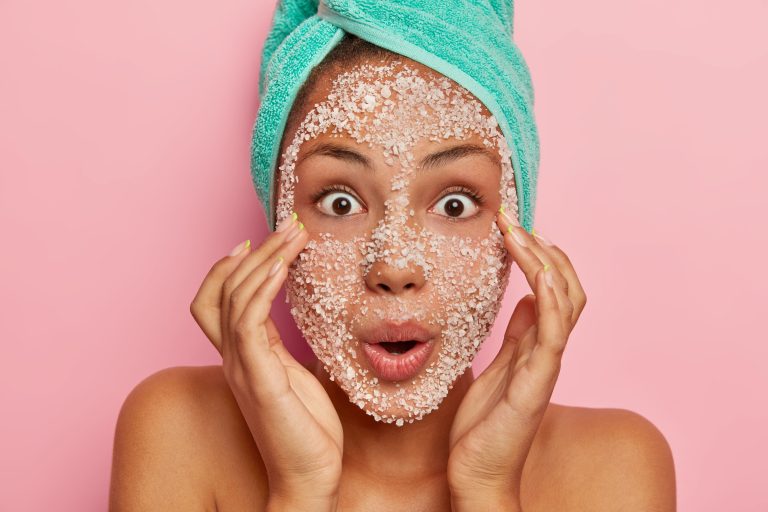
Learn the effects of over-facial exfoliation on the skin and how to choose the right exfoliating products to keep skin healthy, safe, and well cared for.
Viral skincare on social media is not always safe or suitable for every skin type. Learn why distribution permits, ingredients, product claims, and laboratory testing are important before skincare products are trusted and marketed.
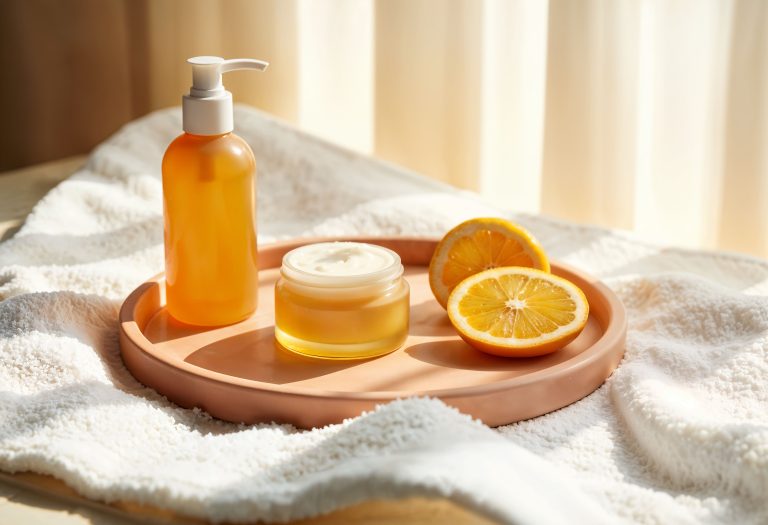
Vitamin C serum is one of the most popular skincare products because it is often associated with brighter looking skin, reduced dullness, and added protection against environmental exposure. However, behind these product claims, skincare brands need to pay attention to…