Men’s Grooming Is on the Rise: Ensure Products Are Safe and Tested Before Marketing


In recent years, the men's grooming industry has experienced remarkable growth. Skincare is no longer viewed as a category exclusively for women, as more men are incorporating facial care into their daily routines.
Greater awareness of skin health, evolving lifestyles, and the availability of products specifically formulated for men have all contributed to this expanding market. However, men's skincare is more than just a consumer trend.
It is driven by the unique biological characteristics of male skin, which require dedicated formulations and scientifically validated products. As a result, product quality, safety, and performance testing have become essential throughout the product development process.
Table of Charts:
- Why Is Men's Skincare Different?
- Common Products in Men's Grooming
- Active Ingredients Commonly Used in Men's Skincare
- The Importance of Laboratory Testing for Men's Grooming Products
Why Is Men's Skincare Different?
Male skin differs from female skin in several physiological aspects, largely due to the influence of androgen hormones such as testosterone. These hormones stimulate higher sebum production, making men's skin generally oilier, with larger pores and a greater tendency to develop acne.
In addition, male skin is typically thicker than female skin, affecting ingredient penetration, skin elasticity, and aging patterns. Regular shaving also increases the risk of irritation and temporary disruption of the skin barrier. These biological differences highlight the need for skincare formulations specifically designed to address the unique characteristics and concerns of men's skin.
Common Products in Men's Grooming
As the men's grooming market continues to expand, so does the variety of available skincare products. Facial cleansers remain the foundation of any routine, helping remove excess oil, dirt, and environmental pollutants.
Toners are commonly used to rebalance the skin after cleansing and prepare it for subsequent treatments. Serums provide targeted solutions for concerns such as acne, post-acne marks, uneven skin tone, and early signs of aging.
Moisturizers play an essential role in maintaining hydration and strengthening the skin barrier, particularly for men who shave regularly. Sunscreens protect the skin against ultraviolet (UV) radiation, while shaving creams, shaving gels, and aftershave products reduce friction during shaving and help minimize irritation.
The increasing diversity of these products reflects the growing demand for comprehensive men's skincare solutions supported by reliable quality standards.
Read Also:
Viral Skincare on Social Media: Is It Safe or Just a Trend?
Active Ingredients Commonly Used in Men's Skincare
Because male skin generally produces more oil, many men's skincare products contain ingredients that help regulate sebum production while maintaining overall skin health. Niacinamide is widely used for its ability to reduce excess oil, strengthen the skin barrier, and improve the appearance of post-acne discoloration.
Salicylic acid is commonly incorporated into formulations to unclog pores and reduce acne breakouts. Moisturizing ingredients such as hyaluronic acid, glycerin, and ceramides help maintain skin hydration and reinforce the skin's protective barrier.
Antioxidants such as vitamin C are frequently included to protect against free radical damage while improving skin brightness. In sunscreen products, various UV filters are formulated to shield the skin from harmful ultraviolet radiation, reducing the risk of premature aging and long-term skin damage.
The Importance of Laboratory Testing for Men's Grooming Products
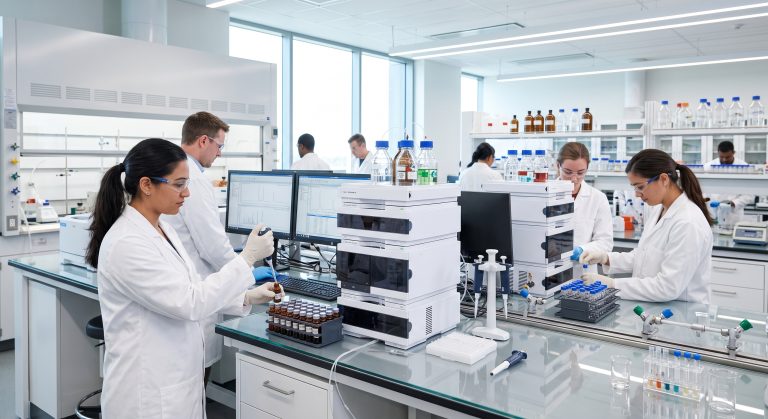
As the men's grooming market becomes increasingly competitive, manufacturers are expected to deliver products that are not only appealing but also safe, stable, and scientifically proven to perform as claimed. Laboratory testing is therefore a critical stage in product development.
Active ingredient analysis is conducted to verify that ingredient concentrations match the intended formulation and product specifications. This testing helps ensure consistency across production batches and supports reliable product quality for consumers.
Stability testing is another essential evaluation that determines whether a product maintains its physical, chemical, and microbiological properties under different storage conditions, including varying temperatures, humidity levels, and light exposure. Parameters such as appearance, odor, texture, pH, and active ingredient integrity are monitored throughout the testing period.
Products that successfully pass stability testing are more likely to maintain their quality and effectiveness throughout their shelf life. Efficacy testing is equally important in validating product performance.
Depending on the product claims, efficacy studies may evaluate improvements in skin hydration, oil control, skin barrier function, acne reduction, or other measurable skin benefits. Scientific evidence generated from efficacy testing not only supports marketing claims but also strengthens consumer confidence and product credibility.
In addition, men's skincare products may undergo microbiological testing to ensure they are free from harmful microbial contamination, safety or skin irritation testing to evaluate compatibility with human skin, pH testing to verify skin-friendly formulations, and packaging compatibility studies to confirm that packaging materials do not negatively affect product stability. Together, these laboratory evaluations help manufacturers comply with quality standards while ensuring product safety and performance.
Conclusion
The rapid expansion of the men's grooming industry demonstrates that men's skincare has evolved from a niche category into an essential part of modern personal care. As consumer demand continues to grow, manufacturers must prioritize product quality, safety, and efficacy through comprehensive laboratory testing.
Assessments such as active ingredient analysis, stability testing, efficacy testing, microbiological evaluation, safety testing, and packaging compatibility studies provide valuable scientific evidence that supports product performance and regulatory compliance. For consumers, these tests offer confidence that products are safe and effective.
For manufacturers, they serve as an important foundation for product credibility, regulatory readiness, and long-term competitiveness in the expanding men's grooming market.
Make Men’s Products Market-Ready
The growing men’s grooming trend creates a strong opportunity for male personal care brands. However, before entering the market, make sure product claims, safety, and quality are supported by proper testing. With IML Testing and Research, brands can conduct professional product testing to help ensure men’s grooming products are safer, measurable, and more trusted in the market.
Author: Delfia
Editor: Lina
References :
Giacomoni, P. U., Mammone, T., & Teri, M. (2009). Gender-linked differences in human skin. Journal of Dermatological Science, 55(3), 144–149. https://doi.org/10.1016/j.jdermsci.2009.06.001
Oblong J. E. (2012). Male skin care: shaving and moisturization needs. Dermatologic therapy, 25(3), 238–243. https://doi.org/10.1111/j.1529-8019.2012.01502.x