Calming Claims in Panthenol Moisturizers: Why Should Brands Test Their Products?

The skin is the largest organ in the body and plays a crucial role in protecting against various environmental influences. The human body is approximately 70% water, so adequate hydration significantly impacts skin health and quality. In addition to maintaining fluid intake, using a panthenol moisturizers can help retain moisture and support the skin's protective barrier function.
Well-hydrated skin feels softer, more supple, and is better able to perform its protective functions. However, intense daily activities, insufficient water intake, the use of products that strip away moisture, and a compromised skin barrier can all reduce the skin's water content.
As a result, the skin may become dry, more prone to irritation, develop fine lines more quickly, and show visible signs of premature aging.
Table of Content:
- The Role of Panthenol Moisturizers in Maintaining Skin Hydration
- Panthenol as a Skin-Soothing Active Ingredient
- The Importance of Determining Panthenol Content
- Product Testing Supports Calming Claims
The Role of Panthenol Moisturizers in Maintaining Skin Hydration
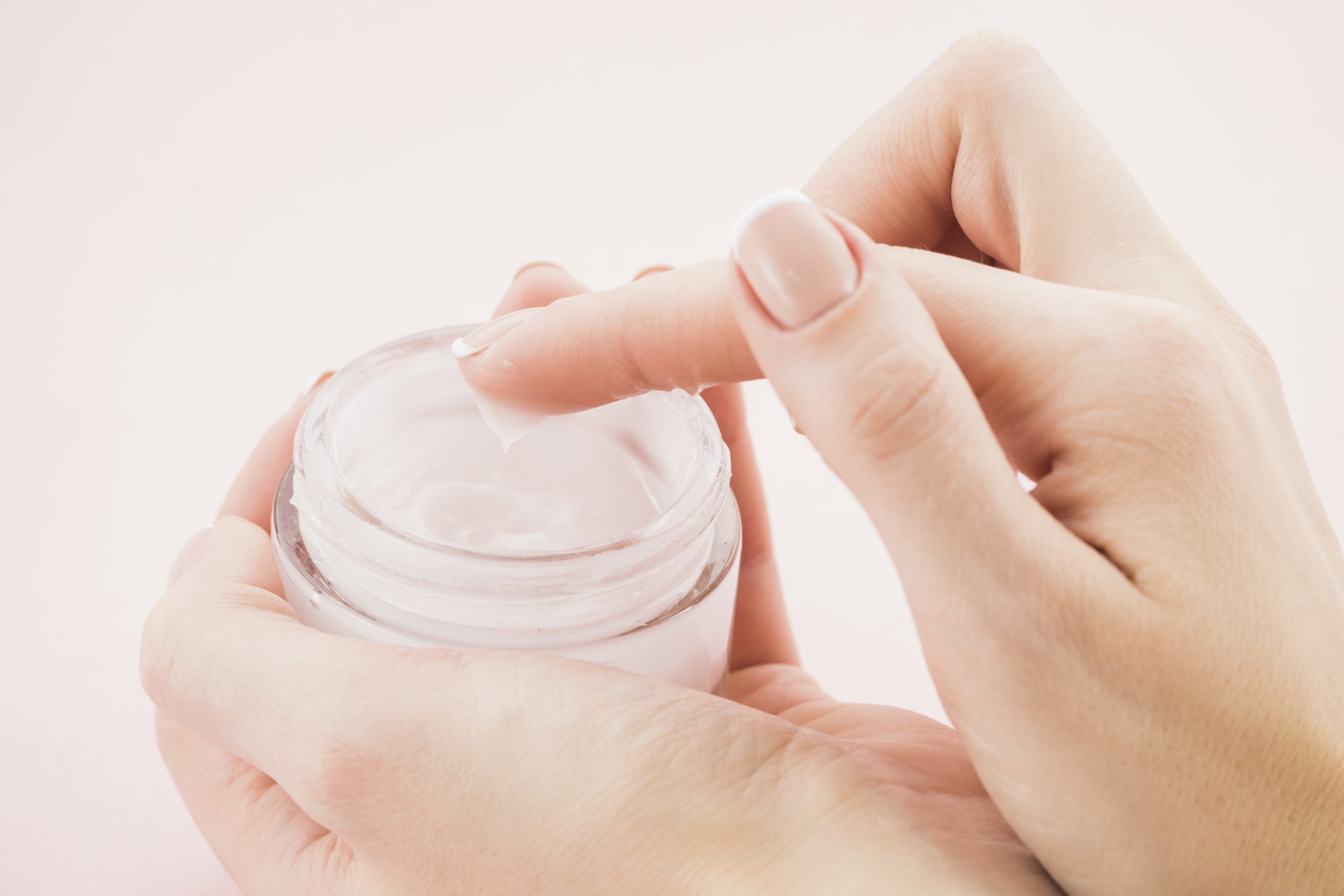
One of the most effective ways to maintain skin hydration is by applying a topical moisturizer. Panthenol moisturizers help increase the water content of the outer skin layers while reducing moisture loss through evaporation.
They are commonly available in three forms: gels, lotions, and creams, each offering different textures and moisturizing capacities. Gels have the lightest consistency and are suitable for oily skin, lotions provide balanced hydration for daily use, while creams have a richer texture that delivers intensive moisture for very dry skin.
Most panthenol moisturizers are primarily composed of water because their main purpose is to hydrate the skin, although they also contain active ingredients that provide additional skin benefits.
Read Also:
3 Benefits of Panthenol for the Skin Barrier and the Importance of Laboratory Testing
Panthenol as a Skin-Soothing Active Ingredient
One of the most widely used active ingredients in moisturizers is D-panthenol, also known as provitamin B5. Once absorbed into the skin, D-panthenol moisturizers is converted into pantothenic acid, a form of vitamin B5 that supports healthy skin function.
This ingredient is recognized for its ability to improve skin hydration, promote the recovery of the skin barrier, and relieve discomfort associated with mild skin irritation. In addition, D-panthenol moisturizers possesses soothing properties, making it a common ingredient in products formulated for sensitive or visibly reddened skin.
Consequently, D-panthenol moisturizers has become an important active ingredient in many modern moisturizer formulations.
The Importance of Determining Panthenol Content
The presence of panthenol in a cosmetic product should not only be declared on the ingredient list but also verified through laboratory testing. Quantitative analysis is essential to confirm that the actual panthenol concentration matches the intended product formulation.
This verification is important because the effectiveness of an active ingredient depends greatly on its concentration within the final product. If the concentration is too low, the expected benefits may not be achieved, while an incorrect concentration must also be evaluated to ensure product quality and consumer safety.
Therefore, panthenol content analysis represents an important component of quality control throughout the manufacturing process.
Product Testing Supports Calming Claims
Moisturizers containing panthenol are commonly marketed with claims of soothing redness and supporting skin barrier repair. To substantiate these claims, brands must ensure that panthenol is present at an appropriate concentration through reliable laboratory testing.
Analytical testing demonstrates batch-to-batch consistency, ensuring that every product meets established quality standards and delivers consistent performance. In addition to supporting product efficacy and safety, laboratory data provide scientific evidence that strengthens consumer confidence in the product's claims.
Furthermore, panthenol testing assists manufacturers in meeting quality assurance requirements and serves as valuable data for formulation optimization and continuous product improvement.
Conclusion
Moisturizers play a vital role in maintaining skin hydration and supporting the skin's natural protective function. Panthenol provides additional benefits by soothing the skin, enhancing moisture retention, and promoting the recovery of the skin barrier.
To ensure these benefits are consistently delivered to consumers, the concentration of panthenol should be verified through appropriate laboratory testing. Quantitative testing not only supports product efficacy and safety but also ensures consistent product quality across different manufacturing batches.
Therefore, panthenol content analysis is an essential step for brands seeking to develop high-quality moisturizers with scientifically supported product claims.
Substantiate Your Product’s Soothing Claim with IML
Do not rely solely on panthenol being listed on the label. Consult and test your moisturizer at IML Testing & Research to substantiate its soothing effect, support product claims, and verify formulation quality and safety before market release.
Author: Delfia
Editor: Lina
References :
European Scientific Committee on Consumer Safety. (2023). Opinion on Panthenol (Vitamin B5), D-Panthenol and Calcium Pantothenate. European Commission.
Proksch, E., de Bony, R., Trapp, S., & Boudon, S. (2022). Topical use of dexpanthenol: A 70th anniversary article. Journal of Dermatological Treatment, 33(4), 1885–1893. https://doi.org/10.1080/09546634.2021.1945523