


What Is 1.4 Dioxane? Understanding Its Risks and How to Test Its Level Using HPLC
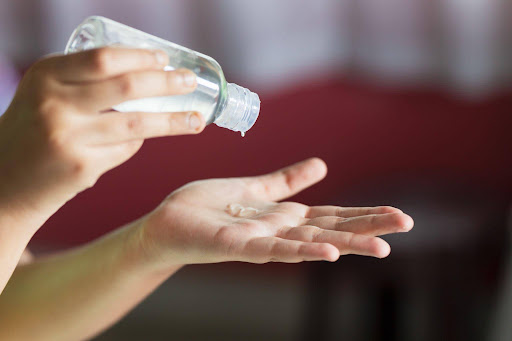
Learn what 1.4 dioxane is, its potential risks, how it may occur in products, and how its concentration can be evaluated through laboratory analysis.

Learn what 1.4 dioxane is, its potential risks, how it may occur in products, and how its concentration can be evaluated through laboratory analysis.

Body toner and body lotion serve different purposes. Learn about their formulations, textures, application order, uses, and why cosmetic product testing matters.

Halal product testing helps detect the presence of non-halal materials through laboratory analysis. Learn how products are tested and why verification matters.
Learn why heavy metal contamination testing is essential to ensure product safety, quality, and compliance with BPOM requirements before market release.
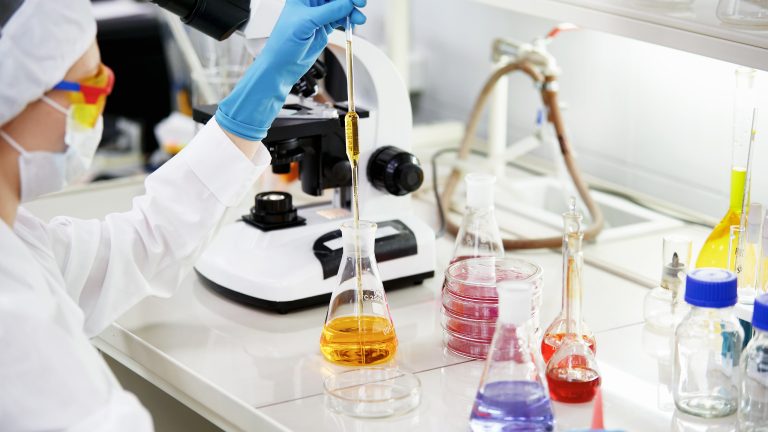
Discover the benefits of cosmetic laboratory testing for brands and manufacturers in ensuring product quality, safety, stability, and consumer confidence.
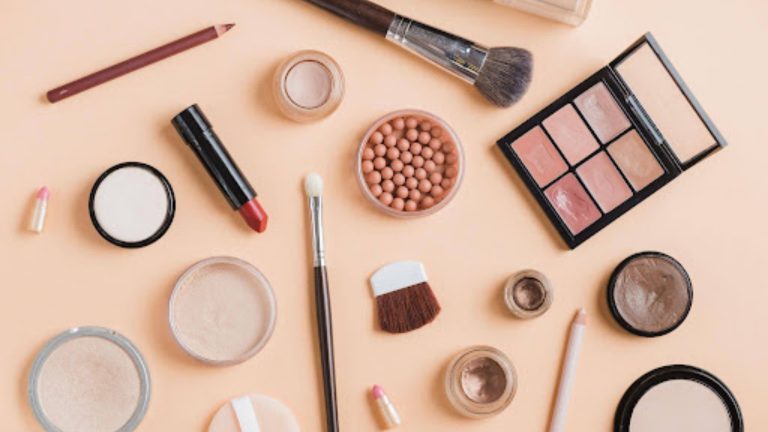
Discover the differences between in vitro and in vivo testing and their roles in supporting cosmetic safety, efficacy, and product claims.
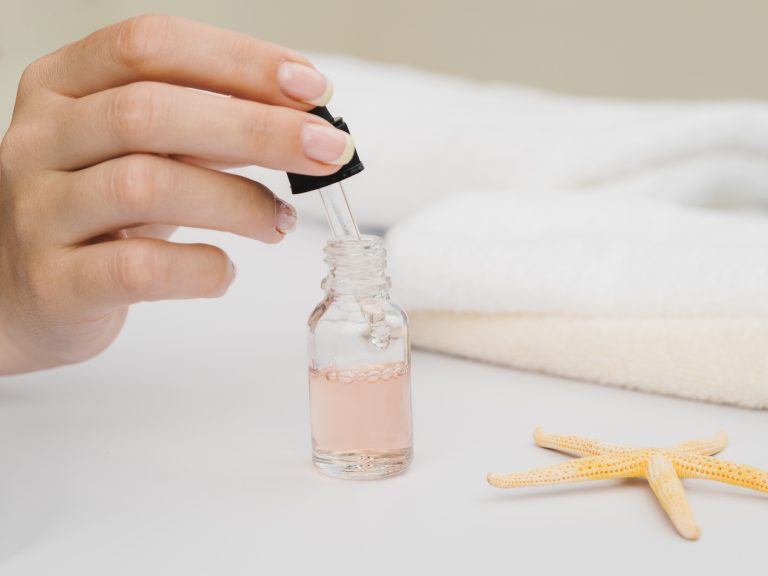
Does your serum’s niacinamide content match its claim? Learn why laboratory testing is essential for product quality and credibility.

Learn how brightening and moisturizing claims in beauty cosmetics products can be validated through objective and reliable clinical testing
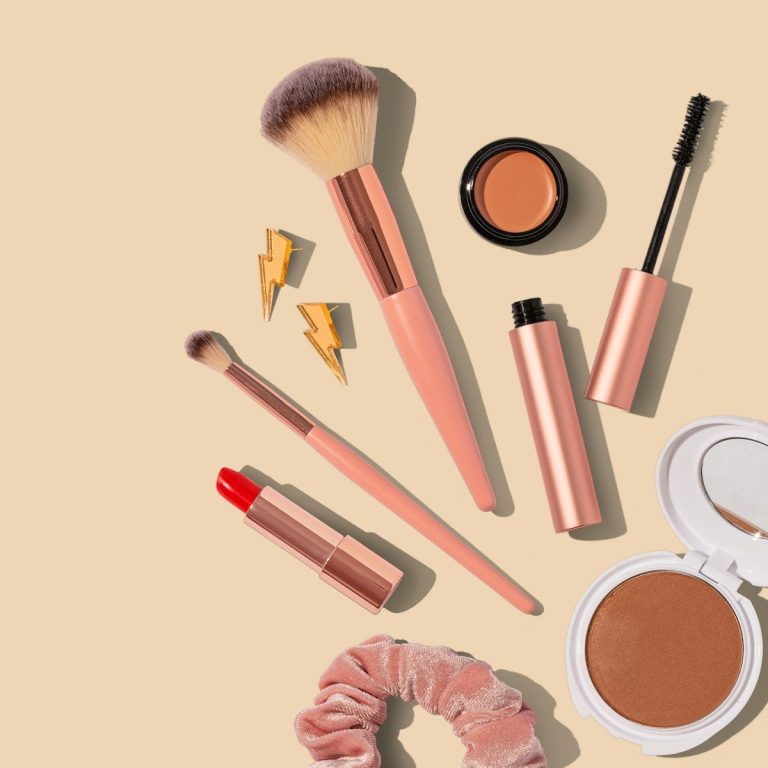
"For sensitive skin" or "hypoallergenic" cosmetic claims must be backed by scientific testing per BPOM regulations. Learn how to validate your claims with IML Testing & Research.