Niacinamide Serum Quality: Does It Live Up to Product Claims Strategies?

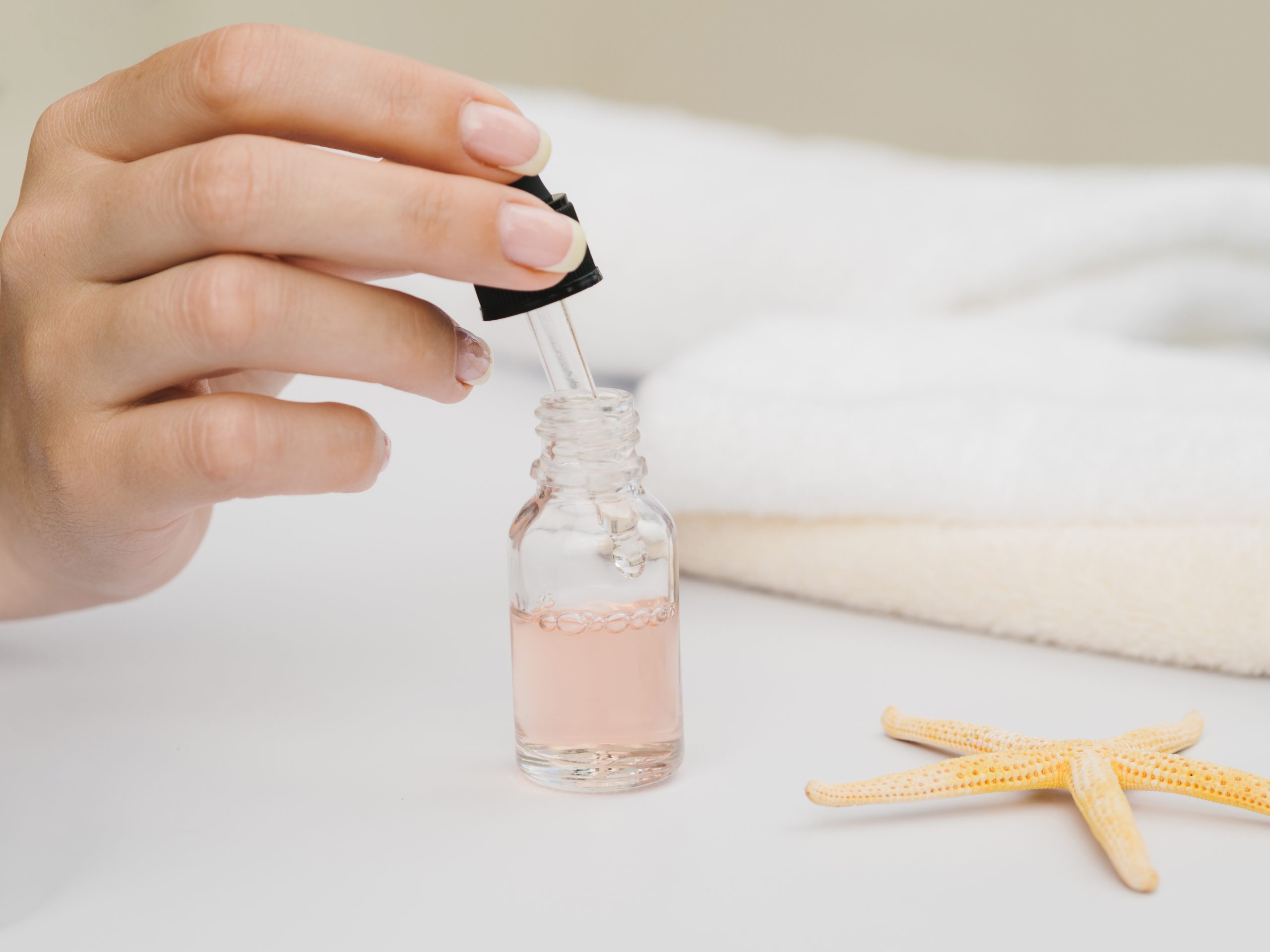
Niacinamide is a form of vitamin B3 and is currently one of the most popular active ingredients in skincare products. It is available as a white or colorless crystalline powder that is odorless and has a slightly salty and bitter taste.
Niacinamide is commonly found in serums, moisturizers, toners, essences, and sunscreens because of its numerous skin benefits.
Table of Content:
- What Are the Benefits of Niacinamide for the Skin?
- Why Should the Niacinamide Content Match the Label Claim?
- How Is the Niacinamide Content Tested?
- The Role of Laboratories in Ensuring Product Quality
What Are the Benefits of Niacinamide for the Skin?
One of the primary benefits of niacinamide is its ability to strengthen the skin barrier, the skin’s natural protective layer. A healthy skin barrier helps retain moisture while protecting the skin from pollutants, bacteria, and other external irritants.
Niacinamide supports the production of natural skin lipids, making the skin more hydrated, less prone to dryness, and healthier overall. In addition to improving skin hydration, niacinamide also possesses anti-inflammatory properties that help reduce redness and irritation.
As a result, it is widely used in products designed for acne-prone and sensitive skin. Another reason for niacinamide’s popularity is its skin-brightening effect.
Unlike some brightening ingredients that work by inhibiting melanin production, niacinamide helps reduce the transfer of pigment to the outermost layer of the skin. With regular use, this mechanism can help fade dark spots and post-acne marks, resulting in a more even skin tone.
Niacinamide is therefore widely used as a skin-brightening agent because it inhibits the transfer of melanosomes from melanocytes to keratinocytes, helping to reduce the appearance of hyperpigmentation.
Read Also:
Niacinamide and Its Side Effects: Is It Safe to Use Every Day or Stop It?
Why Should the Niacinamide Content Match the Label Claim?
Currently, there is no strict regulatory limit on the concentration of niacinamide permitted in cosmetic products. However, studies suggest that niacinamide is generally effective at concentrations ranging from 2% to 5%. In the cosmetics industry, ensuring that the actual niacinamide content matches the label claim is an important indicator of product quality.
If the actual concentration is lower than stated on the label, the product may not deliver its intended benefits, leading to reduced efficacy for consumers. Conversely, if the concentration is higher than intended in the formulation, the product may increase the risk of skin irritation, particularly for individuals with sensitive skin.
Furthermore, the concentration of active ingredients may change during manufacturing or storage if the formulation lacks adequate stability. Therefore, quantitative testing is essential to verify that the niacinamide content remains within the specified range throughout the product’s shelf life.
How Is the Niacinamide Content Tested?
One of the most widely used analytical methods for determining the niacinamide content in cosmetic products is High-Performance Liquid Chromatography (HPLC). The basic principle of HPLC is to separate the components of a mixture based on their different interactions with the stationary phase (the chromatography column) and the mobile phase (the solvent).
In other words, each compound travels through the column at a different rate, allowing individual components to be separated. During the analysis, a prepared sample is injected into the HPLC system.
The sample is carried by the mobile phase through a column packed with a specialized stationary phase. Because each compound has unique chemical properties, they exit the column at different times, known as retention times.
As each compound leaves the column, it is detected—most commonly by an ultraviolet (UV) detector—which generates a signal displayed as a peak on the chromatogram. To determine the niacinamide concentration, the peak area of the sample is compared with that of a niacinamide standard solution of known concentration.
The larger the peak area, the higher the niacinamide concentration in the sample. Using this approach, HPLC provides accurate, precise, and selective results, even for skincare products containing multiple active ingredients.
The Role of Laboratories in Ensuring Product Quality
Niacinamide content testing is an essential part of the quality control system for cosmetic products. Through laboratory analysis, manufacturers can verify that the niacinamide concentration in their products matches both the product formulation and the label claim.
For cosmetic manufacturers, assay results are not only valuable for internal quality control but also serve as scientific evidence supporting the quality and consistency of their products. For consumers, laboratory testing provides greater confidence that the skincare products they use have undergone objective evaluation and comply with established quality standards.
Ultimately, quantitative testing of niacinamide plays an important role in ensuring the quality, safety, and performance of cosmetic products before they reach the market.
Verify Your Product’s Niacinamide Content at IML Testing and Research
Do not rely solely on label claims. Test your serum’s niacinamide content at IML Testing & Research to confirm product specifications with reliable laboratory data.
Author: jihan
Editor: Lina
REFERENCES
Ariyanti, N., Budiarti, A., & Anwar, A. K. (2025). Validasi Metode Analisis Niasinamid dan Asam Kojic Menggunakan Kromatografi Cair Kinerja Tinggi dan Aplikasinya dalam Sediaan Kosmetika. J Pharm & Sci, 8(2), 8–15.
Usher, K. M., Simmons, C. R., Keating, D. W., & Rossi, H. F. (2015). Determination of niacinamide in lotions and creams using liquid–liquid extraction and high-performance liquid chromatography. Journal of Chemical Education, 92(5), 907–910. https://doi.org/10.1021/ed500788q
Wohlrab, J., & Kreft, D. (2014). Niacinamide—Mechanisms of action and its topical use in dermatology. Skin Pharmacology and Physiology, 27(6), 311–315. https://doi.org/10.1159/000359974