A Comprehensive Guide to Strategies PA Testing in Sunscreens: Ensuring SPF and PA Claims Meet Standards

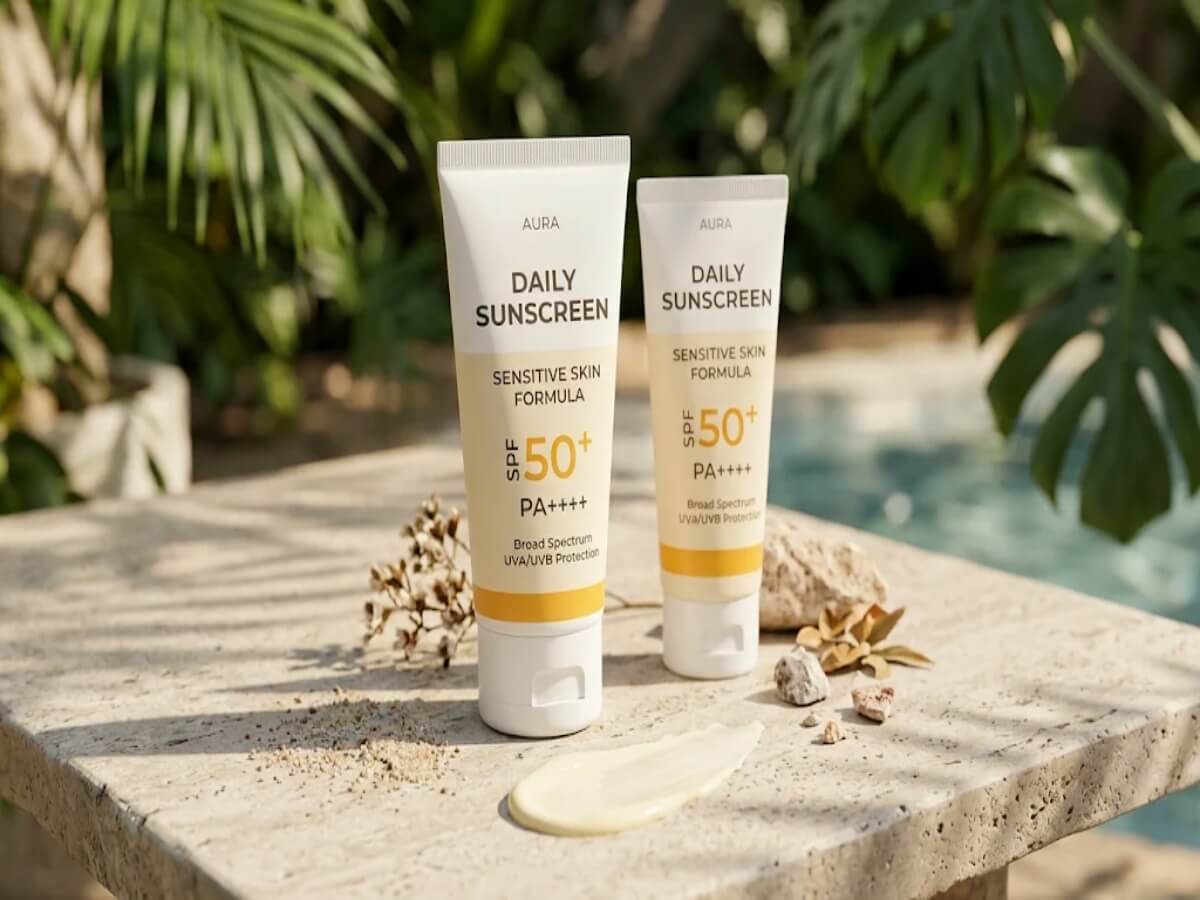
Consumer awareness regarding the importance of skin protection from sun exposure has completely transformed the global cosmetics industry. Today, consumers are no longer simply looking for a high SPF (Sun Protection Factor) label; they have become highly critical of the PA (Protection Grade of UVA) rating on sunscreen packaging.
Unfortunately, many cosmetic brands still misunderstand the fundamental differences between the two, risking severe overclaiming issues that can lead to regulatory sanctions from authorities like BPOM. This article dissects in detail what PA testing entails, its analytical laboratory methodologies, and why validating your UV protection claims is a crucial investment for the sustainability of your cosmetic business.
Table of Content:
- Understanding the UV Spectrum: Why SPF Alone is Not Enough?
- What is PA and How Does the Grading System Work?
- Laboratory PA Testing Methodologies: In Vivo vs In Vitro
- Regulatory Challenges and the Business Risk of Overclaiming
Understanding the UV Spectrum: Why SPF Alone is Not Enough?
The ultraviolet rays that reach the earth’s surface are divided into two main types that damage the skin: UVB and UVA. UVB rays have a shorter wavelength and are the primary culprits behind sunburn and the increased risk of skin cancer.
The level of product protection against UVB is precisely what the SPF metric measures. Conversely, UVA rays possess a longer wavelength (320-400 nm) and can effortlessly penetrate clouds, glass windows, and reach the deepest layers of the skin’s dermis, making PA testing essential to verify a product’s defense against this deeper damage.
UVA rays are the primary drivers behind photoaging, premature wrinkles, collagen degradation, and hyperpigmentation. To measure how effectively a cosmetic formulation withstands the onslaught of UVA rays, the industry employs the PA metric, which is determined through rigorous PA testing.
A true “broad-spectrum” product must possess valid values derived from both rigorous SPF and PA testing to fulfill these critical parameters.
Read Also:
Understanding Octocrylene, a UV Filter Widely Used in Sunscreen
What is PA and How Does the Grading System Work?
PA, or the Protection Grade of UVA, is a classification system originally developed in Japan by the Japan Cosmetic Industry Association (JCIA) and is now widely adopted globally, including in Indonesia. In modern PA testing, the final PA value is derived from the Persistent Pigment Darkening (PPD) measurement method.
PPD measures the amount of UVA radiation required to trigger skin pigment darkening (tanning) that persists for 2 to 4 hours after exposure, compared to unprotected skin. Based on the PPD values obtained from rigorous laboratory PA testing, a product is classified into specific tiers:
- PA+: PPD between 2 to less than 4 (Light UVA Protection)
- PA++: PPD between 4 to less than 8 (Moderate UVA Protection)
- PA+++: PPD between 8 to less than 16 (High UVA Protection)
- PA++++: PPD 16 or greater (Extremely High UVA Protection)
Laboratory PA Testing Methodologies: In Vivo vs In Vitro
To validate PA testing claims on packaging, regulators require manufacturers to attach test results from accredited laboratories. There are two primary approaches to sunscreen testing:
1. In Vivo Testing (ISO 24442)
in vivo PA testing, this method involves human volunteers meeting specific skin type criteria (Fitzpatrick scale). A standardized dose of the product sample (typically 2 mg/cm²) is applied to the volunteer’s back and subsequently exposed to artificial UVA radiation. The skin’s response in the form of pigment darkening is evaluated several hours later.
While this is the widely accepted gold standard, the process is time-consuming and requires strict ethical committee oversight.
2. In Vitro Testing (ISO 24443)
This method does not involve human subjects and relies heavily on high-precision laboratory technology. The sunscreen sample is applied to polymethyl methacrylate (PMMA) plates, whose surface topography is engineered to mimic human skin.
Subsequently, a UV spectrophotometer is utilized to measure the transmission or absorption of UVA rays passing through the sample. This approach is significantly faster, more cost-effective, and highly recommended during the initial Research and Development (R&D) stages before a brand moves into mass production.
Regulatory Challenges and the Business Risk of Overclaiming
For brand owners and contract manufacturers (toll manufacturers), launching a product without accurate PA value validation is a ticking time bomb. Regulations from BPOM require that any SPF number or PA plus (+) sign claimed on the label be substantiated with a Certificate of Analysis (CoA) from a testing laboratory.
If your product claims to be PA++++ but post-market inspections reveal its efficacy is only equivalent to PA++, the product will face a mandatory recall. This scenario not only causes massive financial losses but also permanently shatters consumer trust.
Do Not Gamble Your Brand’s Reputation with Unvalidated Sunscreen Claims!
Modern consumers are becoming increasingly savvy at reading labels, and regulators are tightening their surveillance on market claims. Marketing a sunscreen without valid analytical laboratory testing data is a fatal business risk.
Ensure your formulations strictly meet global standards. Schedule your Sunscreen Efficacy Testing (SPF & PA) at IML Testing and Research. Powered by high-precision spectrophotometric technology and adherence to the latest ISO guidelines, we are ready to provide accurate, regulatory-recognized analytical data to guarantee your product is safe, legal, and highly competitive.
Contact an IML Analytical Chemist Today and Secure Your Product’s Quality!
Author & Editor: Lina
References
Shaath, N. A. (2005). Sunscreens: Regulations and Commercial Development. 3rd Edition. Taylor & Francis.
Tranggono, R. I., & Latifah, F. (2007). Buku Pegangan Ilmu Pengetahuan Kosmetik. PT Gramedia Pustaka Utama. (Untuk konteks formulasi dan dasar ilmu kosmetik di Indonesia).
Wang, S. Q., & Lim, H. W. (2016). Principles and Practice of Photoprotection. Springer International Publishing.
International Organization for Standardization (ISO). (2011). ISO 24442:2011 Cosmetics — Sun protection test methods — In vivo determination of sunscreen UVA protection.
International Organization for Standardization (ISO). (2012). ISO 24443:2012 Determination of sunscreen UVA photoprotection in vitro.
Moyal, D., Chardon, A., & Kollias, N. (2000). “UVA protection efficacy of sunscreens can be determined by the persistent pigment darkening (PPD) method.” Journal of Investigative Dermatology, 114(5), 1085-1088.
BPOM RI. (2020). Peraturan Badan Pengawas Obat dan Makanan Nomor 30 Tahun 2020 tentang Persyaratan Teknis Penandaan Kosmetika. Badan Pengawas Obat dan Makanan Republik Indonesia.