


Niacinamide Serum Quality: Does It Live Up to Product Claims Strategies?
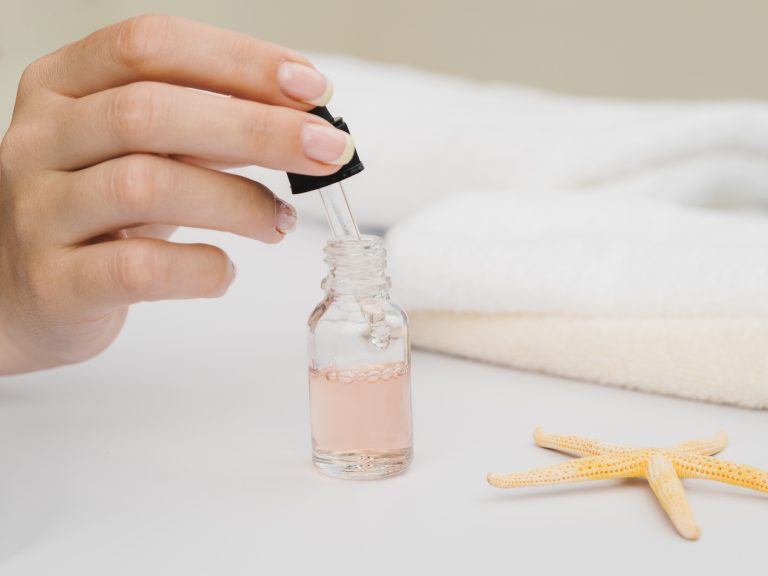
Does your serum’s niacinamide content match its claim? Learn why laboratory testing is essential for product quality and credibility.


Does your serum’s niacinamide content match its claim? Learn why laboratory testing is essential for product quality and credibility.
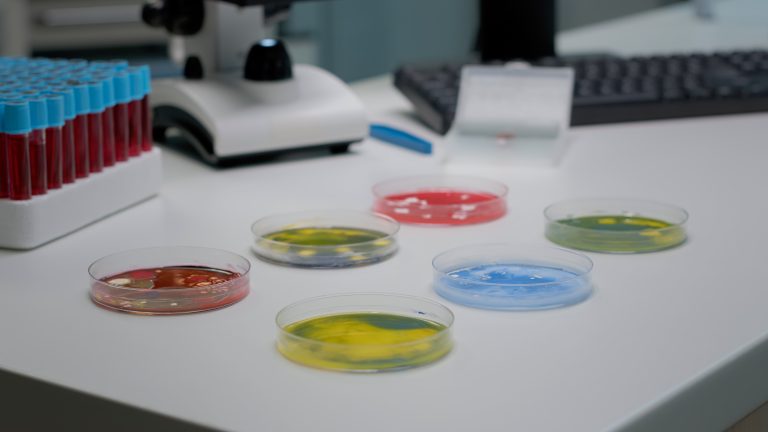
Learn how a Time-Kill Assay measures the speed and effectiveness of a product in killing microorganisms and supporting antimicrobial claims.

E. coli contamination in food can pose serious risks to the food industry. Learn why microbiological testing, hygiene control, and quality systems are essential.

Learn why antacid medications quality testing is essential for acid-neutralizing capacity, dose consistency, stability, safety, and reliable product performance.

Oral toxicity testing supports product safety data and registration requirements. Learn the risks of overlooking this critical testing stage.
Learn the differences between acute and chronic toxicity testing and how each is used to evaluate product safety before market release.

Learn why liquid foliar fertilizers require testing to verify nutrient content, formulation stability, crop safety, and product effectiveness.

Learn why topical anti-itch medications products require stability and safety testing to maintain quality, effectiveness, skin compatibility, and shelf life.
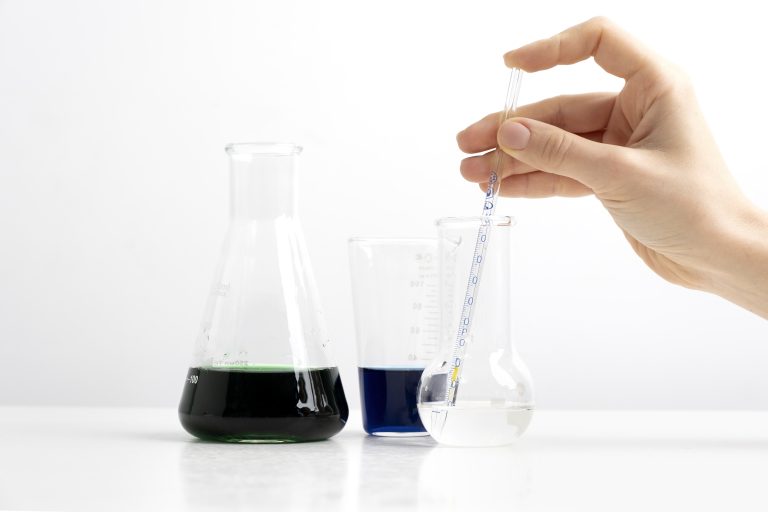
Learn about five common types of titration used in laboratory analysis to accurately determine chemical concentrations and support quality control across various products.
Learn why nutrient content testing is essential for liquid organic fertilizers to verify nutrient levels, ensure product quality, and build customer confidence.

Learn the differences between classical testing and instrumental laboratory testing methods and discover how to choose the right approach for accurate and reliable analytical results.
Learn why the nitrogen (N), phosphorus (P), and potassium (K) content of NPK fertilizers should be tested to ensure product quality, specification compliance, and consistent performance before commercialization.
Learn the differences between the broth macrodilution and microdilution methods in antimicrobial testing to determine the most appropriate approach for evaluating the effectiveness of antimicrobial substances or products.

Has your Vitamin C serum changed color? Learn what causes the discoloration, whether it is still safe to use, and why stability testing is essential for maintaining cosmetic product quality and safety.
What is titration method? Why is this method still widely used? Learn the role of titration in laboratory analysis to determine substance concentration, maintain product quality, and support more accurate testing results.

Pesticide testing is not just a formality; it provides real benefits for product quality and safety. Learn why laboratory testing is important to verify effectiveness, stability, active ingredient content, and market trust before pesticides are launched.
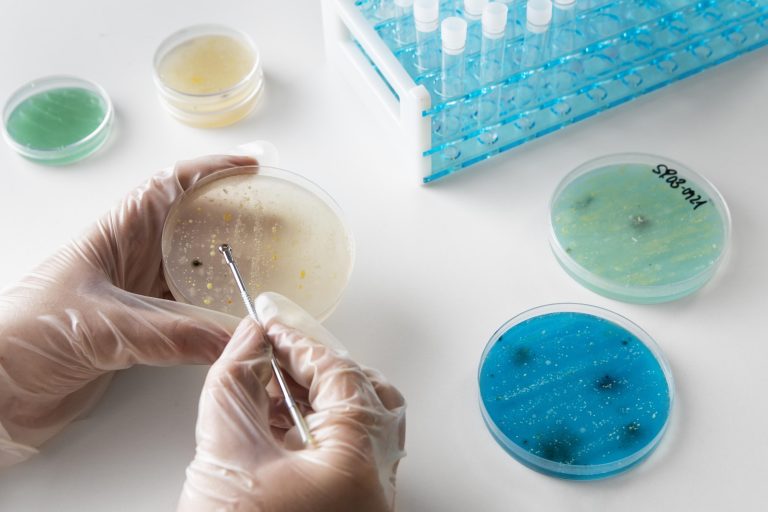
Microbiological testing for cough syrup: an important step for product safety. Learn why microbiological testing matters to detect microbial contamination, maintain quality, and ensure cough syrup products are safer before market launch.

Oral bacteria testing for more trusted oral care products is important to understand microorganisms in the mouth. Learn how microbiological testing supports safety, quality, and product claims before market launch.

The relationship between fertilizer quality testing and fertilizer effectiveness testing is important to understand to ensure product content, quality, and benefits are more measurable. Learn how laboratory testing supports more credible fertilizer claims.

Men’s grooming is on the rise: make sure products are safe and tested before entering the market. Learn why laboratory testing is important to support safety, quality, and claims for men’s personal care products.