


5 Types of Products That May Undergo Chronic Toxicity Testing for Safety Evaluation
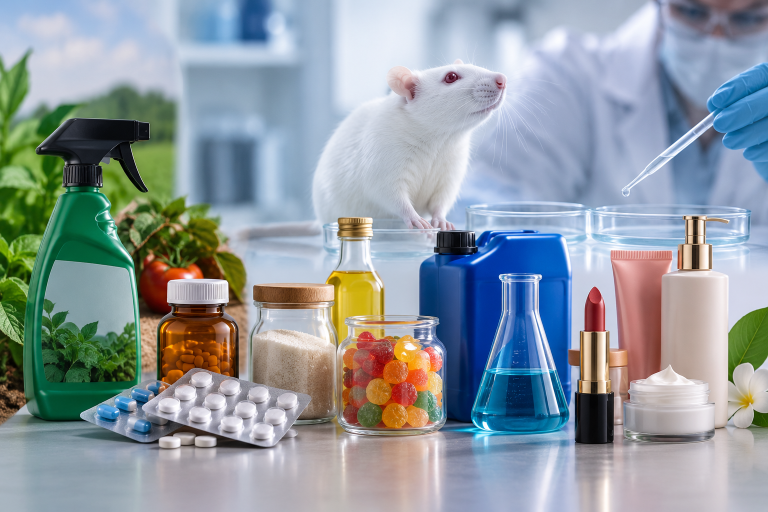
Discover 5 product categories that may undergo chronic toxicity testing to evaluate potential safety effects associated with prolonged repeated exposure.

Discover 5 product categories that may undergo chronic toxicity testing to evaluate potential safety effects associated with prolonged repeated exposure.
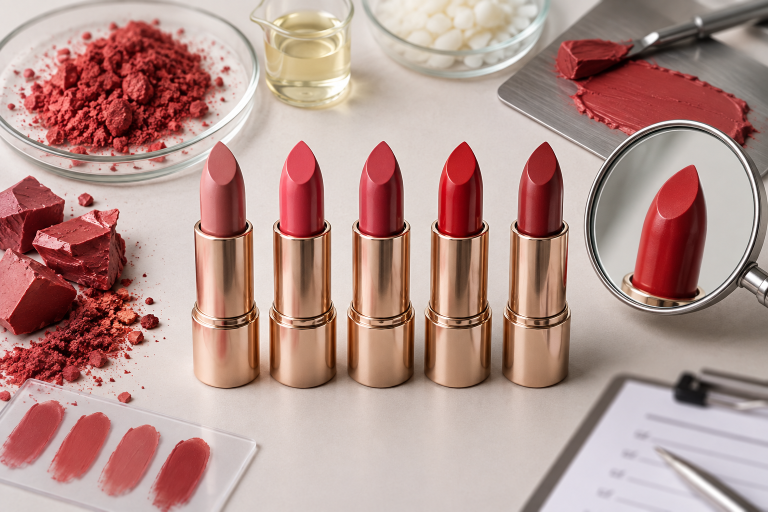
Discover what causes lipstick color variations between batches, including pigments, manufacturing conditions, raw materials, stability, and storage.
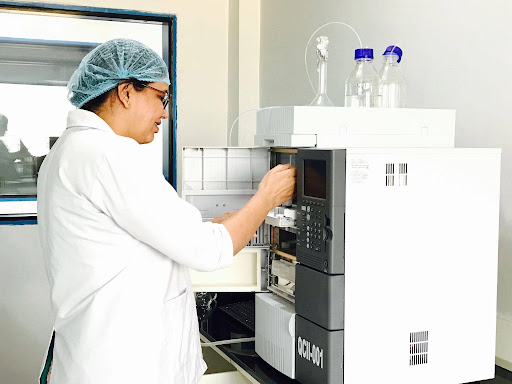
Learn the differences between HPLC RID and DAD detectors, including their principles, suitable compounds, sensitivity, and key considerations for detector selection.

Discover 7 facts about mercury in skin-lightening products, its potential health risks, and the importance of laboratory testing to detect its presence.
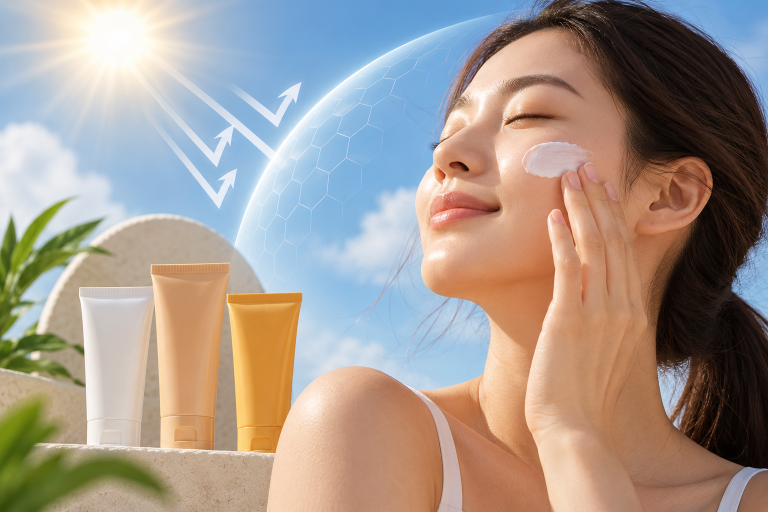
Understand SPF 30, SPF 50, and SPF 50+ and learn how SPF laboratory test results help evaluate sunscreen performance and support product claims.

Discover essential skincare laboratory tests before product launch, including Chemical Compound, Toxicity, Efficacy, and Molecular Biology Testing.
Learn about Copper Tripeptide-1 (GHK-Cu), its characteristics in cosmetics, and the importance of laboratory testing for active ingredient and product quality evaluation.
Discover the differences between Alpha Arbutin and Beta Arbutin, from their structures and characteristics to the role of laboratory testing in active ingredient evaluation.

Learn how to prevent microbial growth in cosmetic products through proper formulation and preservation, and discover the importance of Challenge Testing for product safety.

Discover 5 reasons why sunblock testing to evaluate UV protection and why SPF Testing is important for supporting product performance and claims.

Learn about preclinical SPF testing to evaluate sunscreen effectiveness, measure UV protection performance, and provide data to support sunscreen product claims.
Learn why retinol serum stability testing is important and what factors can affect active ingredient quality during formulation and product storage.
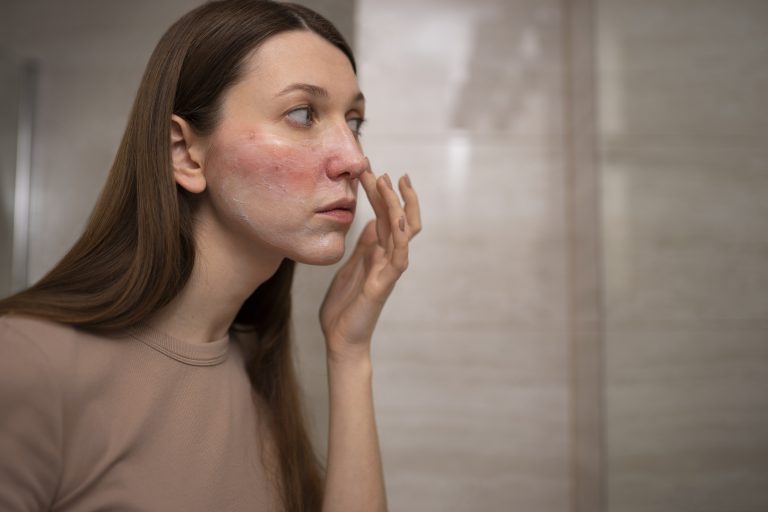
Discover 5 signs that a serum may not be suitable for your skin, from redness to irritation, and why safety testing matters in serum product development.

Discover the importance of Alpha Arbutin purity testing in cosmetics to evaluate its quality and content through reliable laboratory analysis.
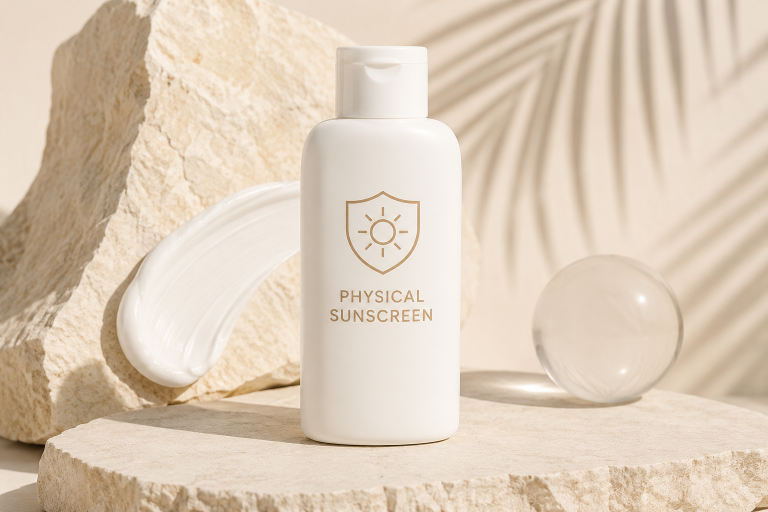
Discover 5 facts about physical sunscreen, including how zinc oxide and titanium dioxide work, their UV protection benefits, and why SPF testing is important to support product claims.
Learn the correct skincare order and how cosmetic efficacy can be scientifically evaluated through hydration, TEWL, sebum, anti-aging, and sunscreen testing.
Learn about the benefits and functions of lanolin in cosmetic products, including important considerations for formulation, use, and product quality.
Learn about niacinamide analysis in cosmetics, including test methods, chemicals used, and quantitative determination to ensure product quality.
Why can a good preservative system fail the Challenge Test? Learn the factors affecting preservative efficacy and the importance of cosmetic testing.
Learn the difference between PDRN and exosomes in skincare and how laboratory testing can verify their identity, quality, stability, safety, and product claims.