


Testing for Red K3 Dye in Cosmetics: Analytical Methods for Product Safety Assessment

Learn why Red K3 Dye testing is important for detecting prohibited colorants and supporting the safety and quality of cosmetic products.

Learn why Red K3 Dye testing is important for detecting prohibited colorants and supporting the safety and quality of cosmetic products.

Verify AHA content in skincare products through laboratory testing to support product claims, quality, safety, and formulation consistency.

Learn why heavy metal contamination testing is essential to ensure product safety, quality, and compliance with BPOM requirements before market release.
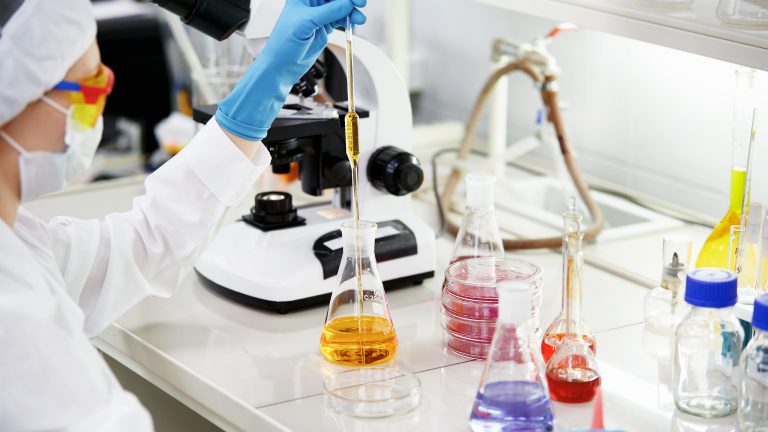
Discover the benefits of cosmetic laboratory testing for brands and manufacturers in ensuring product quality, safety, stability, and consumer confidence.
Does an SPF 50 sunscreen match its test results? Learn about SPF, UVA, stability, water-resistance, and laboratory claim-substantiation testing.
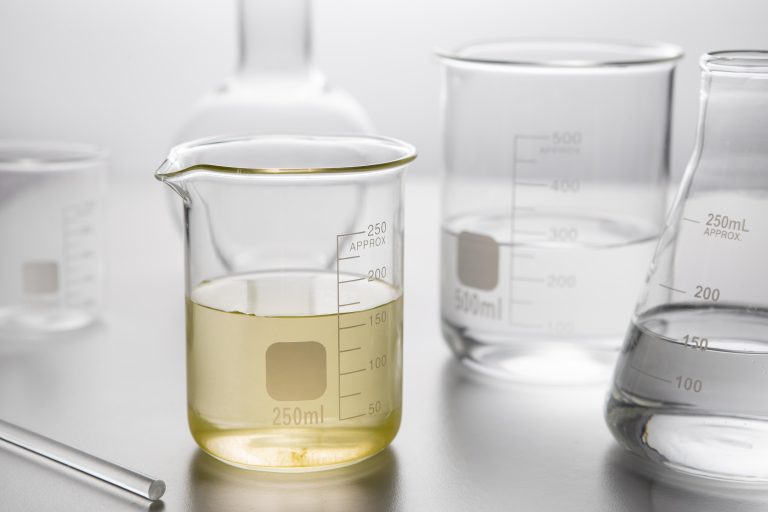
Discover why solvent residue testing is essential for verifying cosmetics product quality, safety, and compliance before market release.
Does a panthenol moisturizers truly provide a soothing effect? Learn why product testing is essential for claim substantiation, quality, and safety.
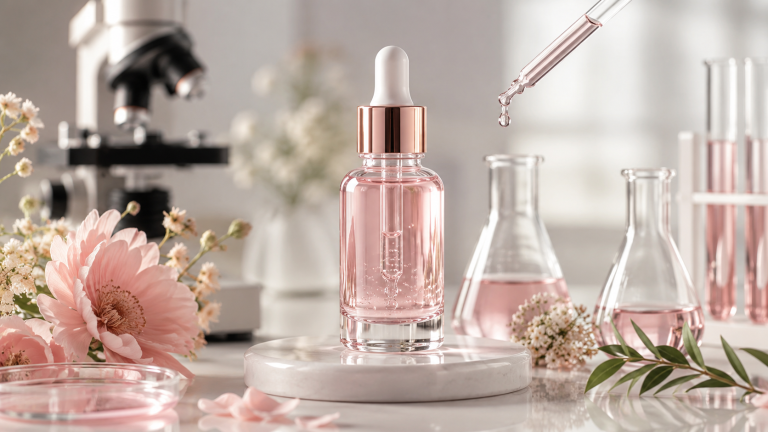
Explore body serum benefits and ingredients and learn why stability, microbiological, safety, and efficacy testing are essential for product quality.

Discover three types of impurities in cosmetic products, their sources, risks, and testing methods for maintaining product quality and safety.
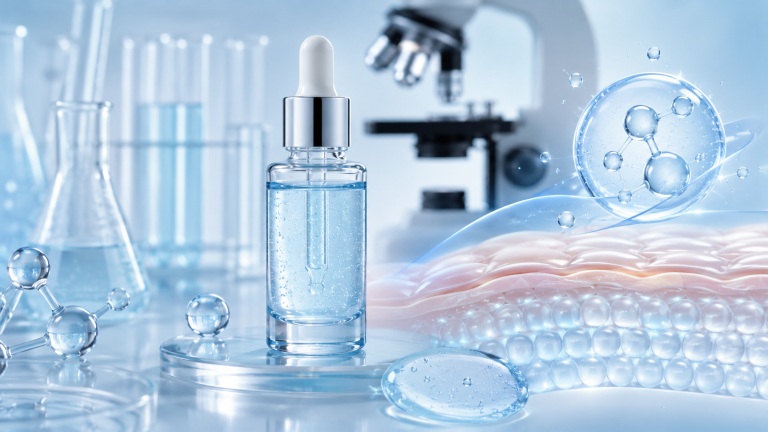
Discover how benefits of panthenol supports the skin barrier and why laboratory testing is essential for verifying product content, stability, quality, and efficacy.
What tests are needed before cosmetic product registration with BPOM? Explore essential quality, safety, stability, and microbiological testing requirements.
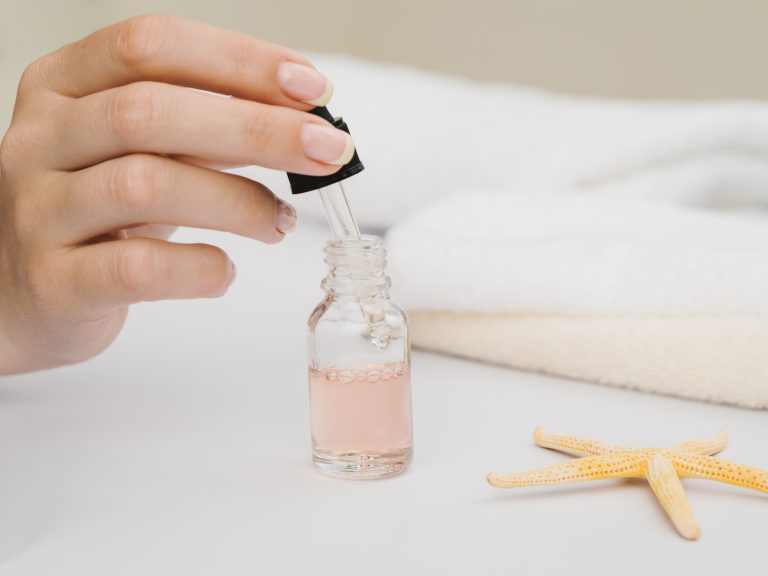
Does your serum’s niacinamide content match its claim? Learn why laboratory testing is essential for product quality and credibility.