


Risks of Alcohol in Skincare Products

Is alcohol safe for skin? Know the benefits and risks of alcohol content in skincare, read more here!


Is alcohol safe for skin? Know the benefits and risks of alcohol content in skincare, read more here!

Bacteria and viruses can live on our hands and enter our bodies when we touch our eyes, nose, mouth, or food. Washing hands with soap and running water is the most effective way to remove germs and prevent disease. How…

Perfume is a mixture of essential oils or fragrance compounds, fixatives, and solvents, typically available in liquid form. In daily life, perfume is used to provide a pleasant aroma to the human body, animals, food, objects, and living spaces. The…

Plant pests are rampant? An alternative to chemical pesticides is microbial pesticides. Learn more about the use of microbial pesticides here!

Tough bacteria that live in extreme temperatures and conditions. How do they survive? Find out their types, adaptations, and uses in industry and health. Learn more here!

Increase drug effectiveness with nanoparticles! Specific delivery to target cells. Learn its advantages & how to apply it clinically here!

Discover the wonders of jarak pagar! Unique content & amazing health benefits. Learn its potential uses here!

Are premature aging signs worrying you? Don't panic! Find out the right way to prevent premature aging with a healthy lifestyle & the right skincare! Get to know the signs & how to prevent it here!

Beware of herbicide side effects! Non-target organisms can be contaminated. So how dangerous are herbicides for non-target organisms? Find the answer here!

Moleculer Biology Test for GMO Detection in Rice Why is GMO Detection in Rice Important? GMOs are genetically modified organisms (Genetic Modification Organisms) that have changed their DNA structure through biotechnology techniques. This process allows the insertion, deletion, or modification…

Effective Methods for Controlling Fly Pest Fly Bait Formulation The Impotance of Fly Bait Efficay Testing Flies are insects that are often considered pests because of their role in spreading various diseases. Although they have ecological functions such as helping…

What is Zoonosis? The Spread of Zoonoses Zoonoses in Indonesia New and Re-emerging Zoonoses Dealing with the Spread of Zoonoses Have you ever thought that animals around us can be a source of dangerous diseases? More than 60% of human…

Understanding Skin Microbiota Types of Skin Microbiota Role of Skin Microbiota Factors Affecting the Composition of Skin Microbiota What is Skin Microbiota? The skin is the body’s outermost organ, acting as a protective barrier between the human body and its…

Mangosteen, or Garcinia mangostana L., is a plant from the Clusiaceae family and the Garcinia genus. Morphological and cytological research results show that this plant comes from Southeast Asia. The thick skin of the mangosteen fruit produces a sticky sap…
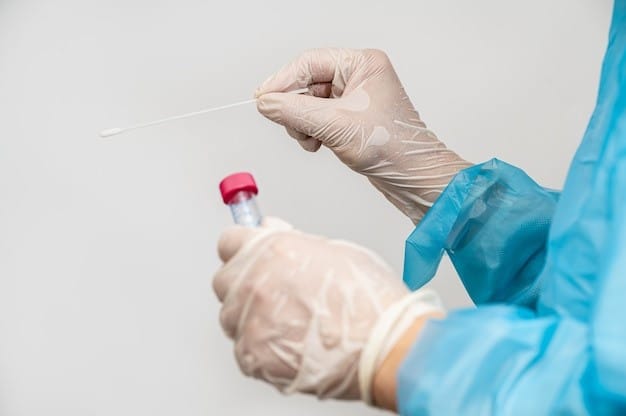
Main Cycle of PCR and RT-PCR Test Methods Difference between PCR and RT-PCR Test Methods Molecular Biology Testing Laboratory Molecular biology-based analytical methods have become crucial tools to ensure the safety and efficacy of products pharmaceuticals, cosmetics, and food. With…

What is Exfoliation? How Does Physical Exfoliation Work? How Does Chemical Exfoliation Work? Advantages and Disadvantages of Physical and Chemical Exfoliation What is Exfoliation? Facial exfoliation is the process of exfoliating or removing dead skin cells. It also aims to…

What Is Proteomic? Types Of Proteomic Proteomics Applications Proteomics studies play a vital role in medications discovery because they can help find proteins that are key to the development of a disease. By studying how proteins work and interact with…

Characteristics of Lime Plants Citrus aurantifolia (Christm.) Swingle, commonly known as lime, is a plant species belonging to the genus Citrus and the family Rutaceae. This plant is characterized by its thorny shrubs or small trees, growing to a height…

Rodenticides are pesticides specifically designed to kill rodents, such as rats, which are considered pests. Rodenticides are highly toxic, even to non-target organisms. Based on literature published between 1998 and 2015, many non-target animals were found to have accumulated rodenticide…

Floors as a Source of Contamination Floors are a part of every building that we encounter daily, whether in homes, offices, or public facilities. As a surface frequently exposed to human activity, floors are prone to the accumulation of dirt,…