


Reviewing Facts, Risks, and How Zoonotic Diseases Spread in Indonesia

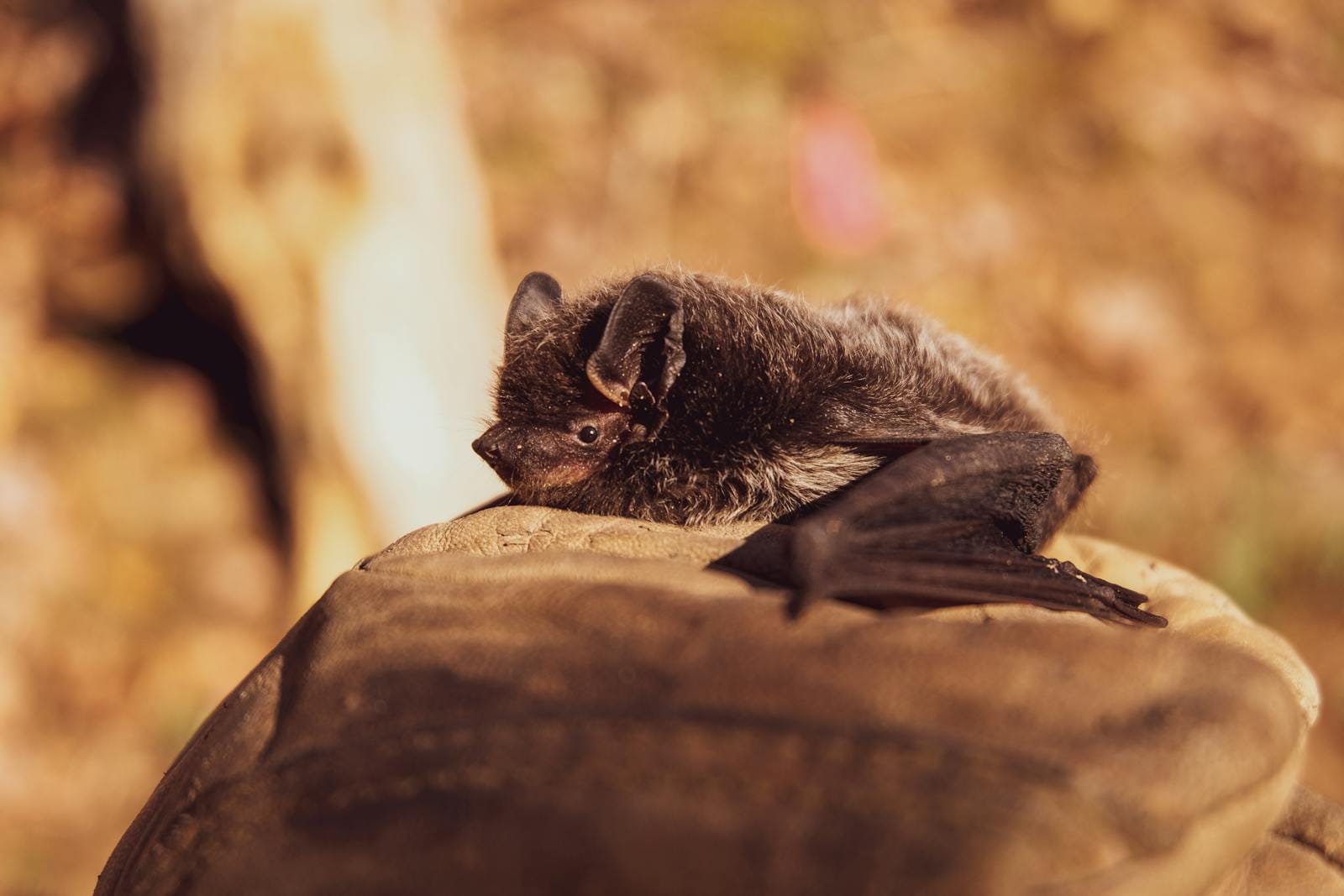
Have you ever thought that animals around us can be a source of dangerous diseases?
More than 60% of human infectious diseases come from animals, and more than 70% of the pathogens that cause them come from wildlife. Zoonotic diseases in Indonesia and the world continue to increase, many of which are related to the consumption of animal-based foods and environmental changes that accelerate the spread of pathogens.
The risk of spreading zoonotic diseases is also increasing with the increasing intensity of human and animal interactions. Are we ready to face this threat?
Zoonosis is . . .
The term zoonosis comes from Greek, namely “Zoon” (animal) and “nosos” (disease). The World Health Organization (WHO) defines zoonosis as a disease or infection that can be transmitted naturally between vertebrate animals and humans.
Zoonotic diseases have a serious impact on human health and can even be fatal. Based on the cause, zoonotic diseases are categorized as:
- Bacterial zoonoses: Such as Salmonellosis, tuberculosis, and anthrax.
- Viral zoonoses: Such as rabies, ebola, and influenza.
- Parasitic zoonoses: Examples include malaria.
- Fungal zoonoses: Examples include ringworm.
- Rickettsial zoonoses: Examples include Q-fever.
- Mycoplasma zoonoses: Examples include pneumonia caused by Mycoplasma pneumoniae.
According to the old classification, zoonoses were divided into several groups:
- Anthrozoonoses: Diseases in animals that are transmitted to humans (e.g., rabies).
- Zooanthroponoses: Diseases transmitted from humans to animals (e.g., tuberculosis in cats and monkeys).
- Amphizoonoses: Diseases that can be transmitted both ways, e.g., staphylococcal infections.
How Do Zoonotic Diseases Spread?

Zoonotic pathogens can be transmitted from animals to humans in a variety of ways:
- Direct contact: Transmission occurs through direct contact with an infected animal or the air, as in the case of avian influenza.
- Through bites: Rabies is the most deadly example, where the rabies virus from the saliva of an infected animal (dog, bat, or raccoon) enters the human body through a bite.
- Indirect contact: Transmission can occur through the consumption of contaminated food or water or through contact with objects exposed to zoonotic pathogens.
Zoonotic Diseases in Indonesia
As a country with high biodiversity, Indonesia is at high risk of spreading zoonotic diseases. Some zoonotic diseases that have been and are still a threat in Indonesia include:
- Rabies: A serious problem in several regions, mainly due to bites from stray dogs.
- Leptospirosis: Spreads through water contaminated with infected animals' urine often occurs during floods.
- Avian Influenza (Bird Flu): Transmitted from birds to humans and potentially cause a pandemic.
- Anthrax: Transmitted through direct contact with infected livestock.
New and Reemerging Zoonoses
Changes in the environment and human lifestyles contribute to new zoonotic diseases (emerging zoonoses) and the resurgence of old diseases (reemerging zoonoses). Climate change, urbanization, wildlife trade, and intensive livestock farming systems accelerate the spread of these diseases.
For example, Middle East Respiratory Syndrome (MERS) was first detected in Saudi Arabia in 2012 and is caused by the MERS-CoV virus originating from camels. Its fatality rate is 30–35%. Likewise, the COVID-19 pandemic is caused by SARS-CoV-2, where this virus has a close relationship with bats as its natural host before jumping to humans through an intermediate host.
Addressing Zoonotic Threats with a "One Health" Approach
Because of the close relationship between humans, animals, and the environment, the One Health approach is key to preventing and controlling zoonotic diseases. Active surveillance of zoonotic diseases, strengthening animal and human health systems, and educating the public about hygienic practices in interacting with animals are essential to reducing the risk of zoonoses.
Recognizing that zoonotic diseases are a real and growing threat, global awareness of zoonotic disease prevention and mitigation needs to be raised. Collaborative efforts between governments, scientists, and the public are key to controlling the spread of these diseases before they become the next pandemic.
Zoonotic diseases are just one of many challenges facing the healthcare and industry world. Find more information on product safety, laboratory testing, and scientific solutions in the following IML Research articles!
Reference:
Rahman, M. T., Sobur, M. A., Islam, M. S., Ievy, S., Hossain, M. J., El Zowalaty, M. E., Rahman, A. T., & Ashour, H. M. (2020). Zoonotic Diseases: Etiology, Impact, and Control. Microorganisms, 8(9), 1405. https://doi.org/10.3390/microorganisms8091405


