


4 Components and Factors of Seed Quality as the Basis for Laboratory Testing
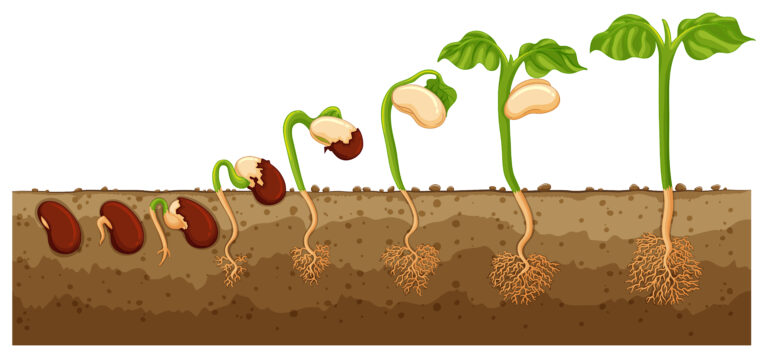
Seed quality determines planting success. How does laboratory testing assess the genetic, physical, physiological, and health quality of seeds?

Seed quality determines planting success. How does laboratory testing assess the genetic, physical, physiological, and health quality of seeds?
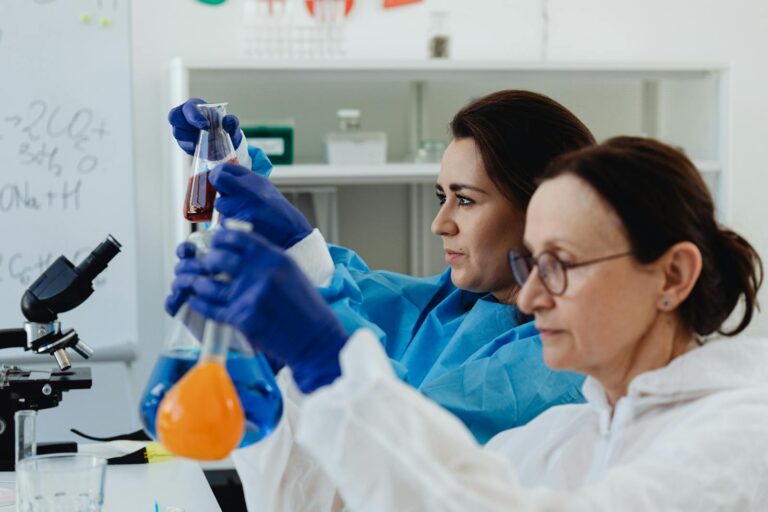
Pesticides can disrupt the food chain. How do laboratory tests reveal their toxic impacts on ecosystems? Find the explanation in this article.
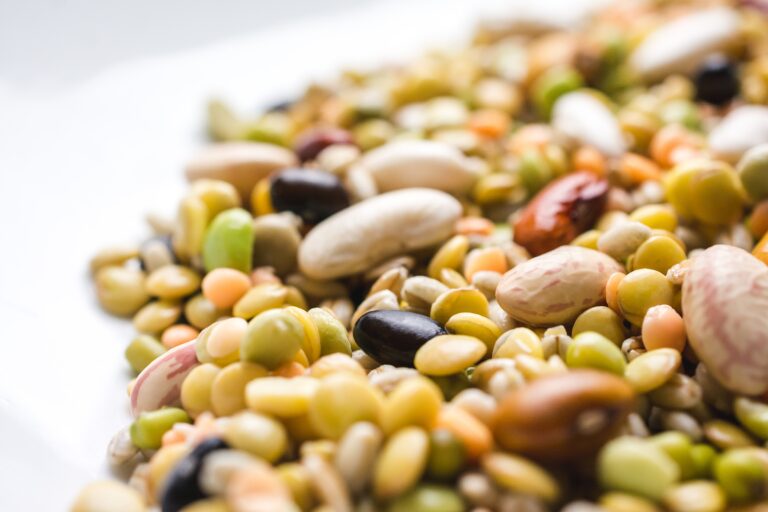
Seeds and grain are often considered the same, even though their functions are different. How does seed laboratory testing ensure quality and germination capacity? Read the article.

How does the seed formation process affect seed quality? Read the explanation and discover the role of seed testing in ensuring quality before commercialization.

Seed structure determines the success of plant growth. How are the embryo, food reserves, and seed coat tested in the laboratory to ensure seed quality?

What are seeds and why is their quality crucial? Learn the function of seeds, their role in agriculture, and the importance of seed quality laboratory testing before distribution.

Moleculer Biology Test for GMO Detection in Rice Why is GMO Detection in Rice Important? GMOs are genetically modified organisms (Genetic Modification Organisms) that have changed their DNA structure through biotechnology techniques. This process allows the insertion, deletion, or modification…

Shallots are one of the key commodities relied upon by many farmers and the culinary industry. However, like other crops, shallots are vulnerable to various diseases that can reduce both the quality and quantity of the harvest. One of the…

As the world’s population increases, which is expected to reach 9 billion by 2050, the challenge of meeting global food needs is increasing. One way that is considered effective to face this challenge is through increasing food production, especially plant…

Pseudomonas syringae is a plant pathogen that causes serious diseases in various horticultural crops, including tomatoes. This pathogen is responsible for bacterial leaf spot disease, which can significantly reduce both the quality and quantity of crop yields. The use of…

An alternative raw material to rice that can be used is peanuts (Arachis hypogaea L.), which belong to the group of legumes or legumes of the Fabaceae family. Peanuts are the second most important type of peanut after soybeans in…