Understanding Seed Structure as a Basis for Seed Product Laboratory Testing

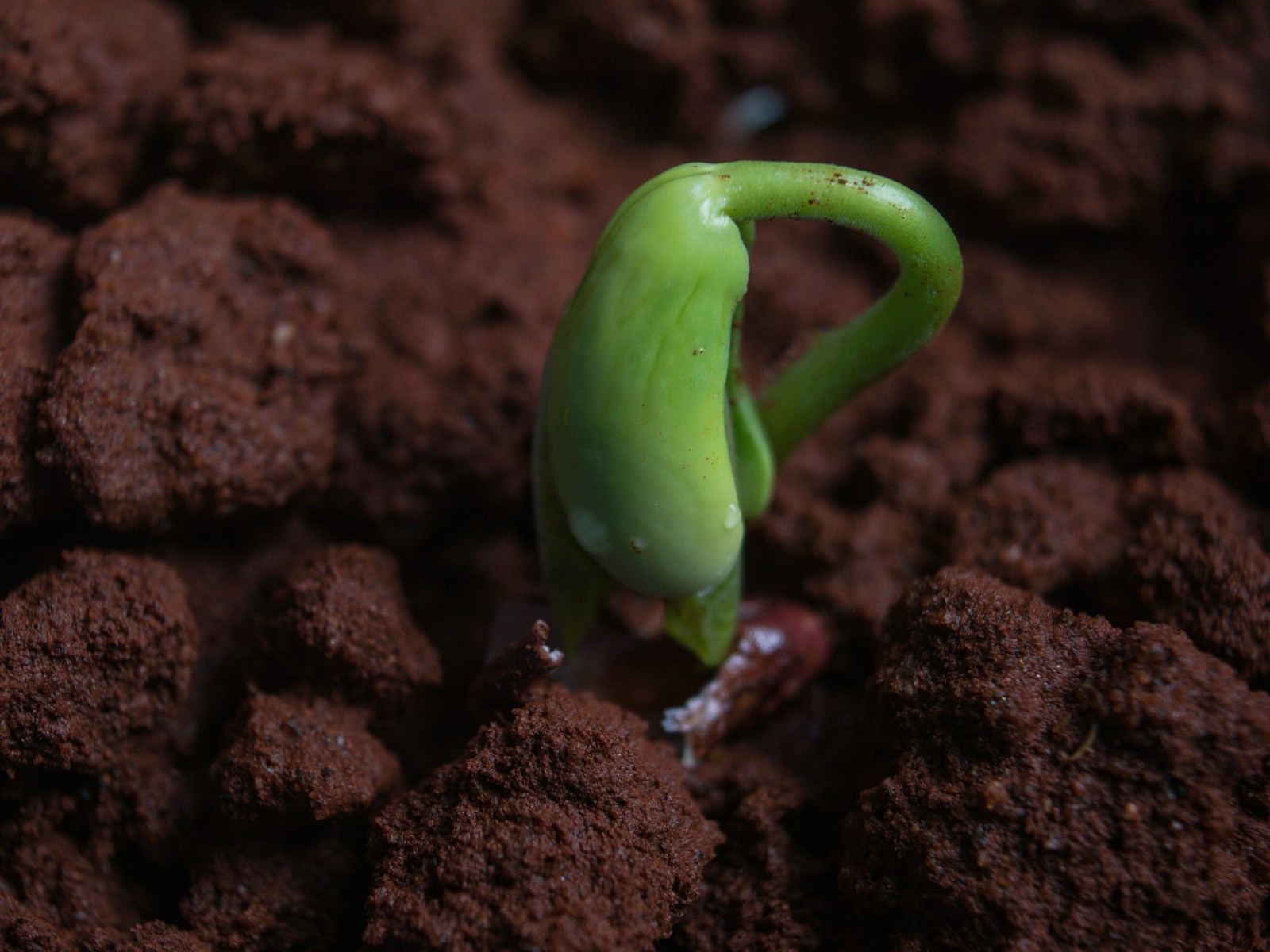
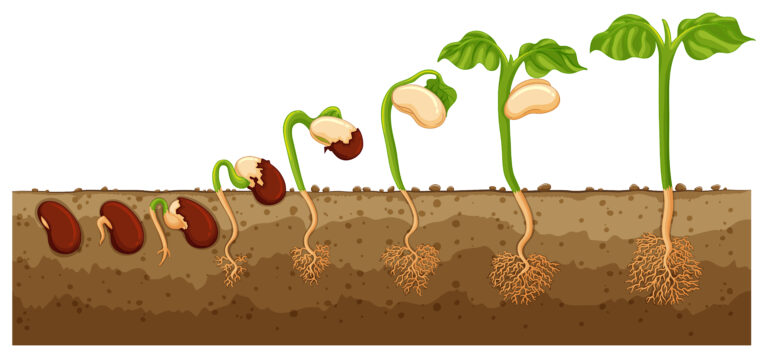
Seeds play an important role in the life of plants. From a single seed, a new plant begins to grow and continue its life cycle. Inside a seed are several parts that protect and support the growth of the young plant. Generally, a seed is made up of three main components:
Each of these parts has its own function, but all work together to help the seed survive and grow properly.
1. The Embryo – The Beginning of a New Plant
The embryo is the living part of the seed that will grow into a new plant. It already contains tiny parts that will become the root, stem, and leaves. The small root is called the radicle, and the shoot that grows upward is called the plumule.
In plants with two seed leaves, such as soybeans and peanuts, the embryo has two cotyledons. In plants with only one seed leaf, such as rice and corn, the embryo has a single cotyledon called the scutellum. The cotyledon plays an important role in transferring food to the embryo during germination.
The condition of the embryo determines whether a seed can germinate successfully. If the embryo is damaged or undeveloped, the seed will not grow. This is why checking the embryo’s health is an important part of seed quality testing.
2. The Storage Tissue – The Food Supply
The storage tissue serves as the food supply for the embryo during the early stages of growth. Before the young plant can make its own food through photosynthesis, it depends entirely on the stored nutrients inside the seed.
This food reserve can be found in the endosperm, cotyledon, or perisperm, depending on the plant species. In crops like rice and maize, food is stored in the endosperm, which is rich in starch. In beans and soybeans, food is stored in the cotyledons in the form of starch and protein.
The type of food stored in the seed also affects how long the seed can be kept. Seeds that contain a lot of oil, such as sunflower and peanut, lose quality faster than those that contain mostly starch, like rice and corn. This happens because oils are more easily damaged by oxidation during storage.
With enough stored food, the embryo has the energy it needs to start growing until the roots and leaves can function on their own.
3. The Seed Coat – The Outer Protection
The seed coat, also known as the testa, is the outer layer that protects the inside of the seed. It prevents the seed from losing water, shields it from mechanical damage, and keeps out pests and diseases. The seed coat also controls the movement of air and water into the seed, which is especially important during germination.
In some plants, the seed coat is very hard, making it difficult for water to enter. This condition causes seed dormancy, meaning the seed will not germinate even when conditions are suitable. Farmers often solve this problem by scratching the seed coat or soaking the seeds in warm water so that water can enter more easily.
The color and thickness of the seed coat vary between species. Besides serving as a protective layer, the color helps protect the seed from excessive light and microorganisms that may cause decay during storage.
The Relationship Between the Parts
The embryo, the storage tissue, and the seed coat work together to keep the seed alive and ready to grow. The seed coat protects the inside, the storage tissue provides food, and the embryo uses that food to begin growth.
If one of these parts is damaged, the seed may not grow properly. For example, a cracked seed coat may let water in too quickly and harm the embryo, while a lack of stored food can cause the embryo to stop growing before it forms roots and leaves. Seeds with healthy and complete structures usually have high germination rates and produce strong, uniform seedlings.
Conclusion
The structure of a seed is made up of three main elements that function together: the embryo as the future plant, the storage tissue as its energy source, and the seed coat as its protection. These parts work hand in hand to ensure that the seed can survive during storage and grow when planted. Understanding how these elements function helps farmers and seed producers maintain seed quality and achieve better germination and yield results.
Understanding seed structure is not only important theoretically, but also fundamental to maintaining seed quality before use. Damage to the embryo, decreased nutrient reserves, or disruption to the seed coat are often invisible to the naked eye, yet they can directly impact germination and uniform plant growth. Therefore, seed laboratory testing is necessary to ensure the seeds remain in good internal condition and ready for optimal growth.
Seed laboratory testing helps ensure seed quality and germination in an objective and measurable manner. Through proper testing, seed quality can be evaluated before planting or distribution. Ensure your seeds have undergone seed laboratory testing to ensure optimal and consistent plant performance.
Author: Fachry
Editor: Sabilla Reza
References:
Lesilolo, M.K., Riry, J., & Matatula, E.A. (2013). Seed Viability and Vigor Testing of Several Plant Species Sold in Ambon City Market. Agrologia, Vol. 2, No. 1.
Nazara, R.V. et al. (2024). Ilmu dan Teknologi Benih. CV HEI Publishing Indonesia.
Panggabean, E.L. (2012). Diktat Teknologi Benih. Faculty of Agriculture, Universitas Medan Area.