


What diseases are caused by the bacterium Staphylococcus aureus?
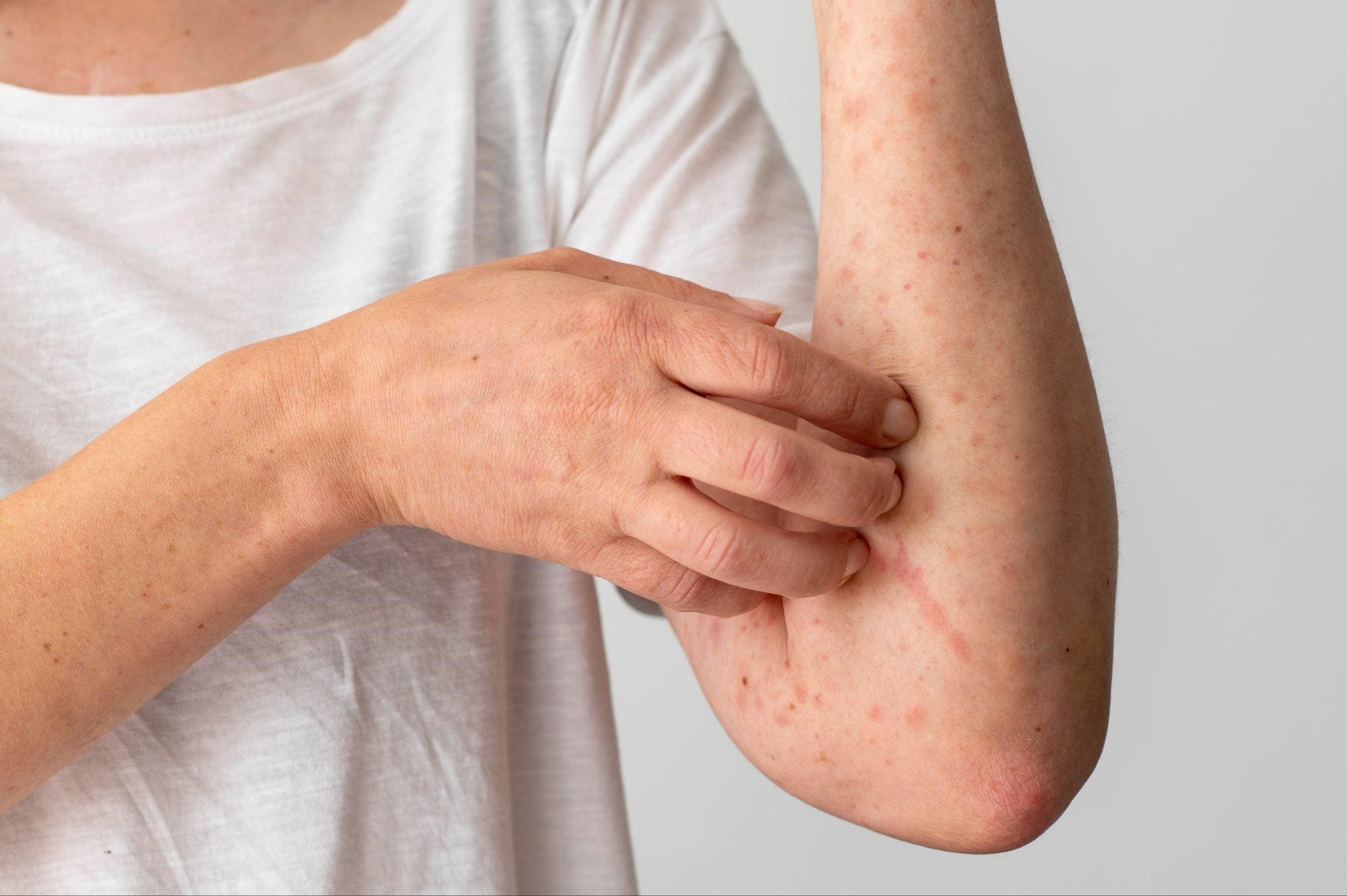
Is your skin infection not healing and continuing to spread? Read this article to the end to understand the cause and the importance of microbiological testing.


Is your skin infection not healing and continuing to spread? Read this article to the end to understand the cause and the importance of microbiological testing.

Still confused about the difference between antiperspirant and deodorant? Read this article to the end to understand how they work and their benefits.
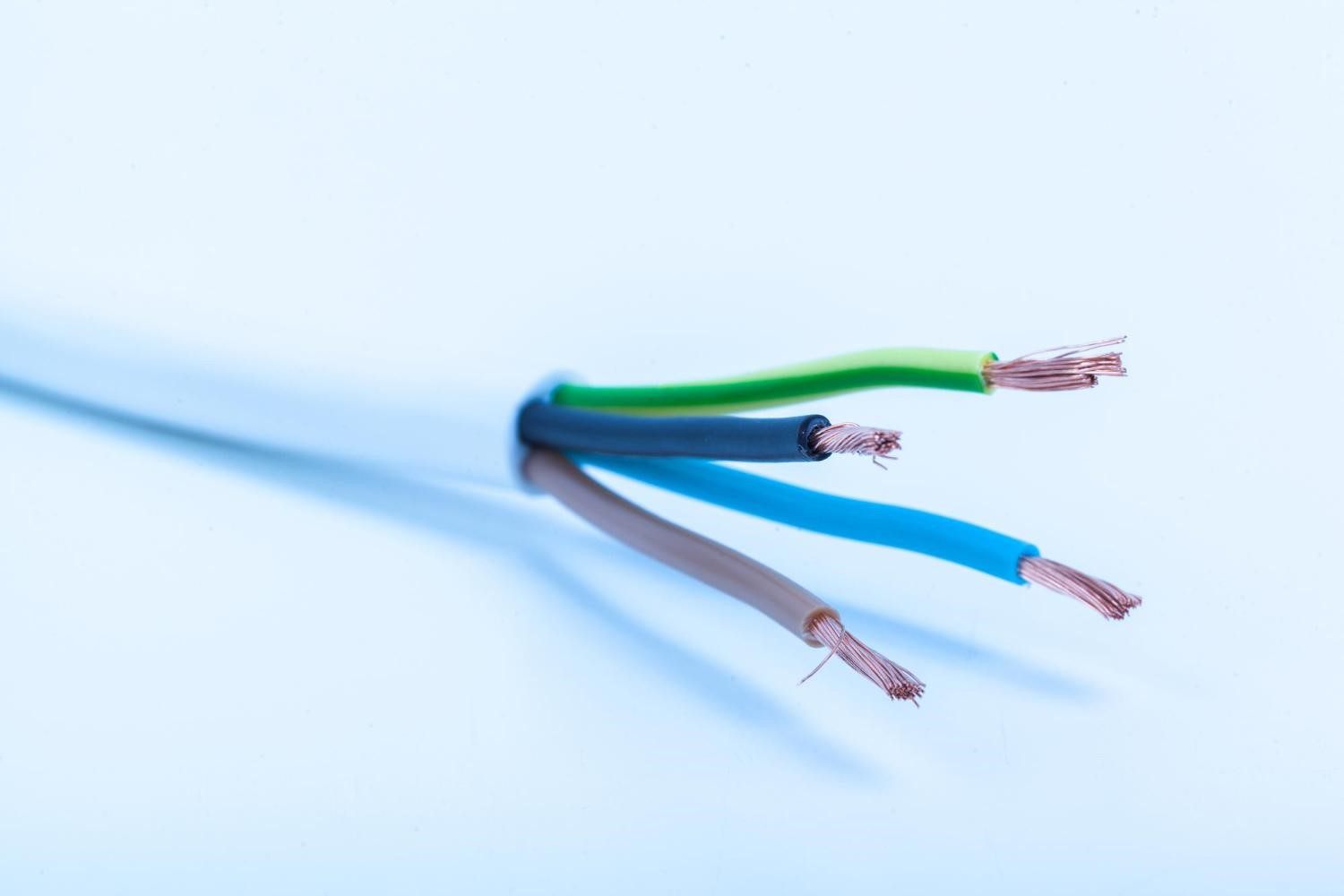
Do not rely on assumptions about cable quality. Conduct laboratory testing for rodent bite resistance to ensure maximum protection and long term safety.
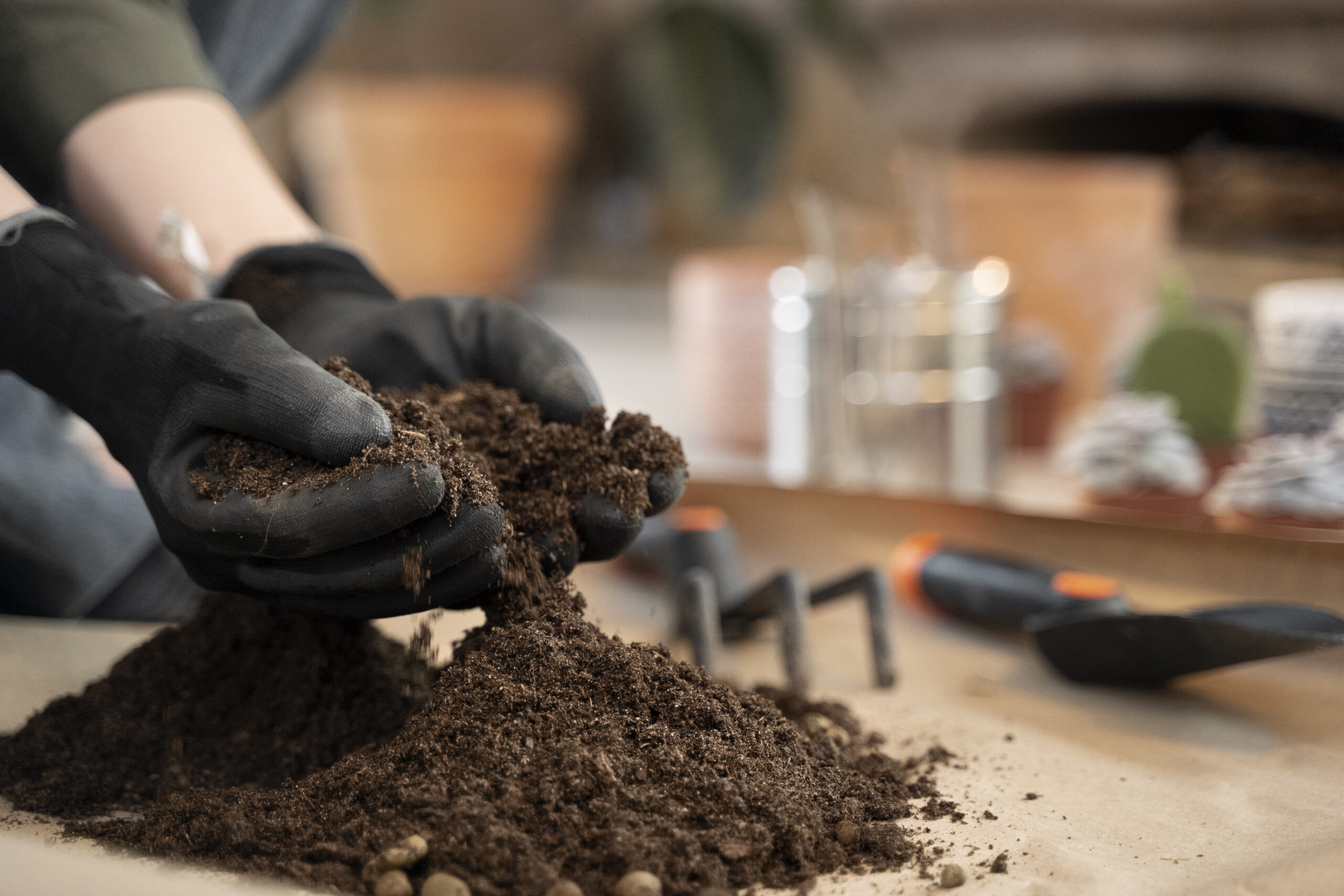
Microbial activity influences the effectiveness of organic fertilizer. Has your product been tested in a trusted laboratory?

Skincare claims are not enough without evidence. Why are irritation and effectiveness testing the key to ensuring the safety and credibility of your product? Find out the explanation here.

How can you ensure pesticide safety before it enters the market? Learn about cytotoxicity testing using the Trypan Blue Dye Exclusion Assay and how it works in the laboratory.

Sleep is an active biological process that maintains the body’s balance. Understand the impact of sleep deprivation and why claims of sleep related health products must be scientifically tested.
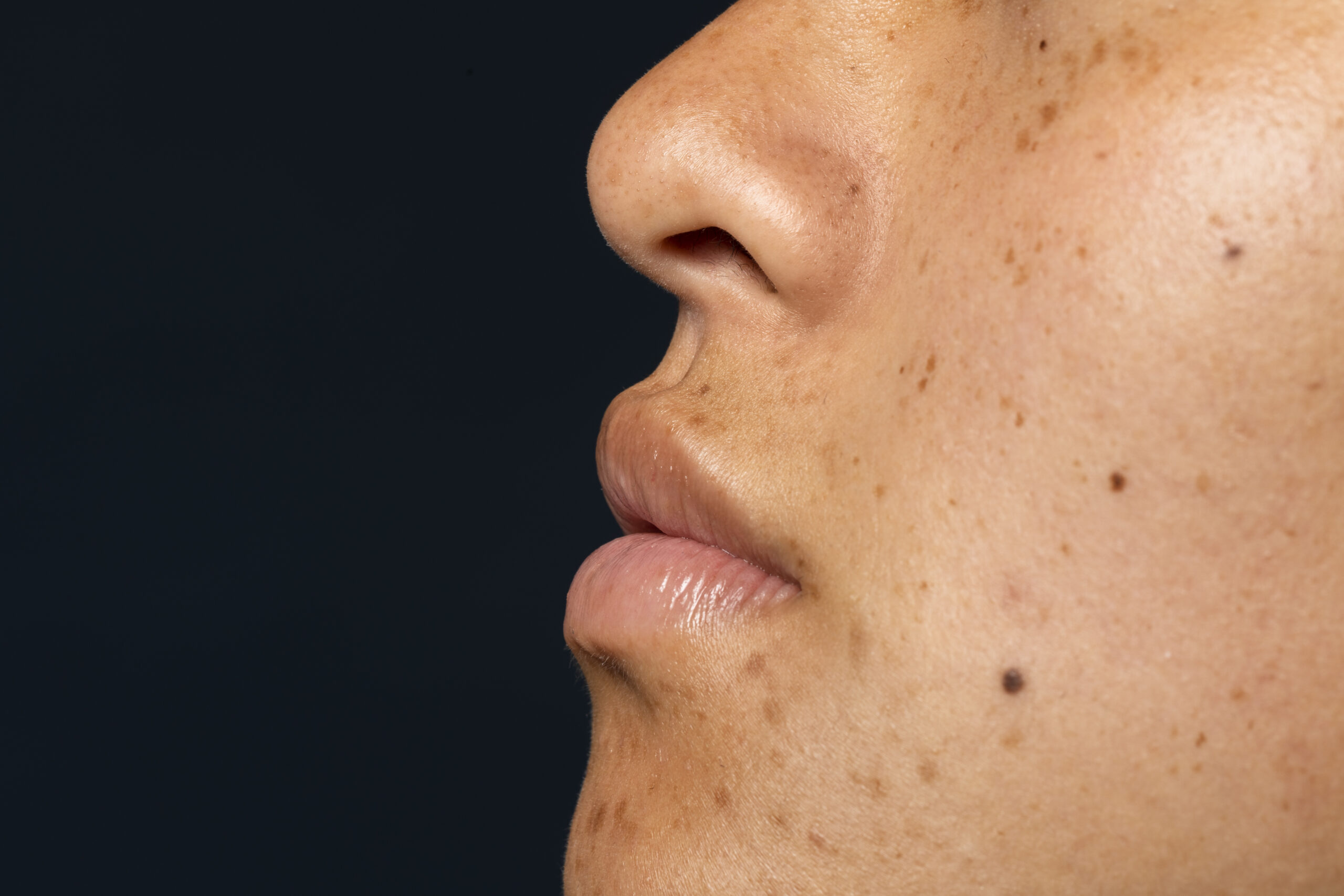
Not all brightening cosmetics are safe for long-term use. This article explores the risk of dark spots and the importance of product efficacy testing.

Mining activities provide economic benefits, but their environmental impacts are not always visible. Learn the role of toxicity testing in assessing the safety of mining waste.
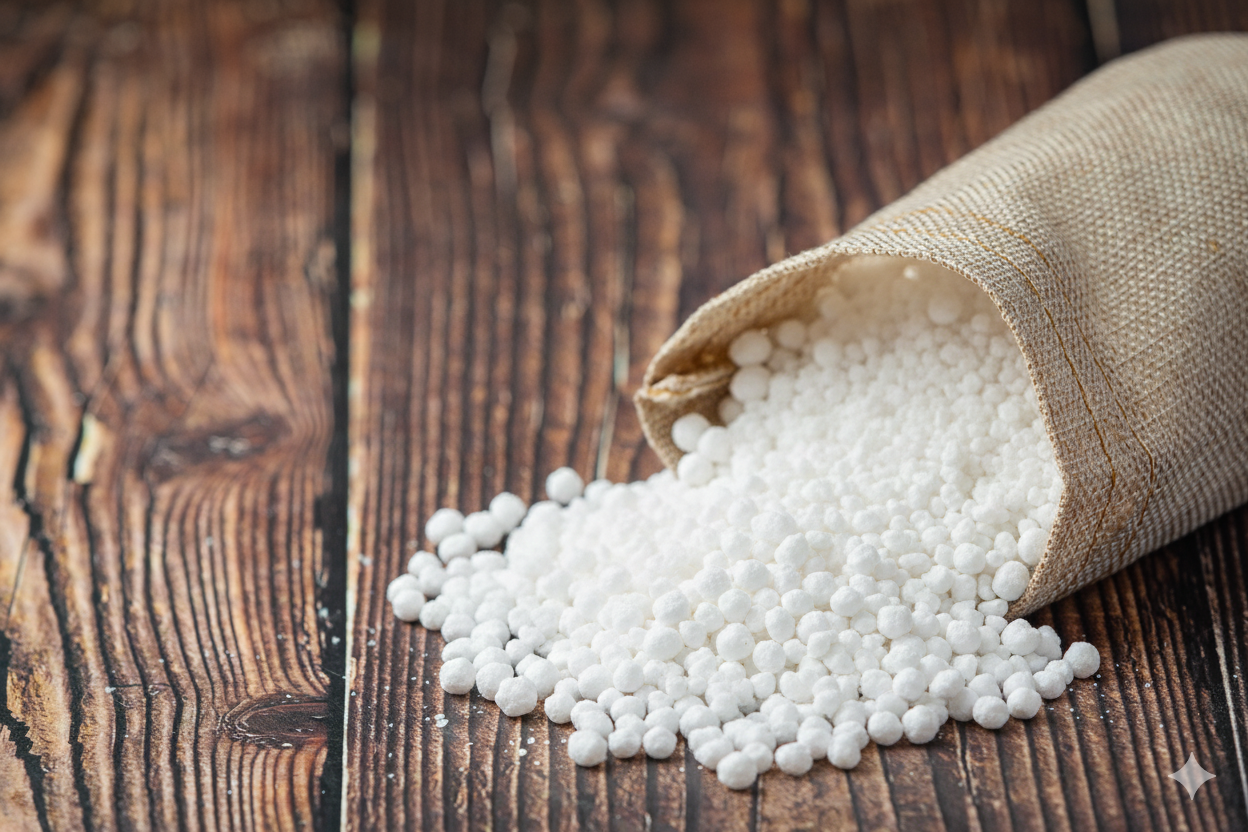
Urea fertilizer is effective in promoting plant growth, but it also carries risks for soil and the environment. Learn about its advantages, limitations, and the importance of laboratory testing for fertilizers.

The instant effects of traditional medicines may be a sign of pharmaceutical adulterants. Learn about the hidden risks and the role of laboratory testing in detecting them.

Microbial biopesticides still need to undergo safety testing. Learn the role of acute oral toxicity testing in assessing the risks of accidental exposure.

The risk of foodborne disease can be prevented through microbiological testing. Learn how Enterobacteriaceae serve as indicators of food hygiene.
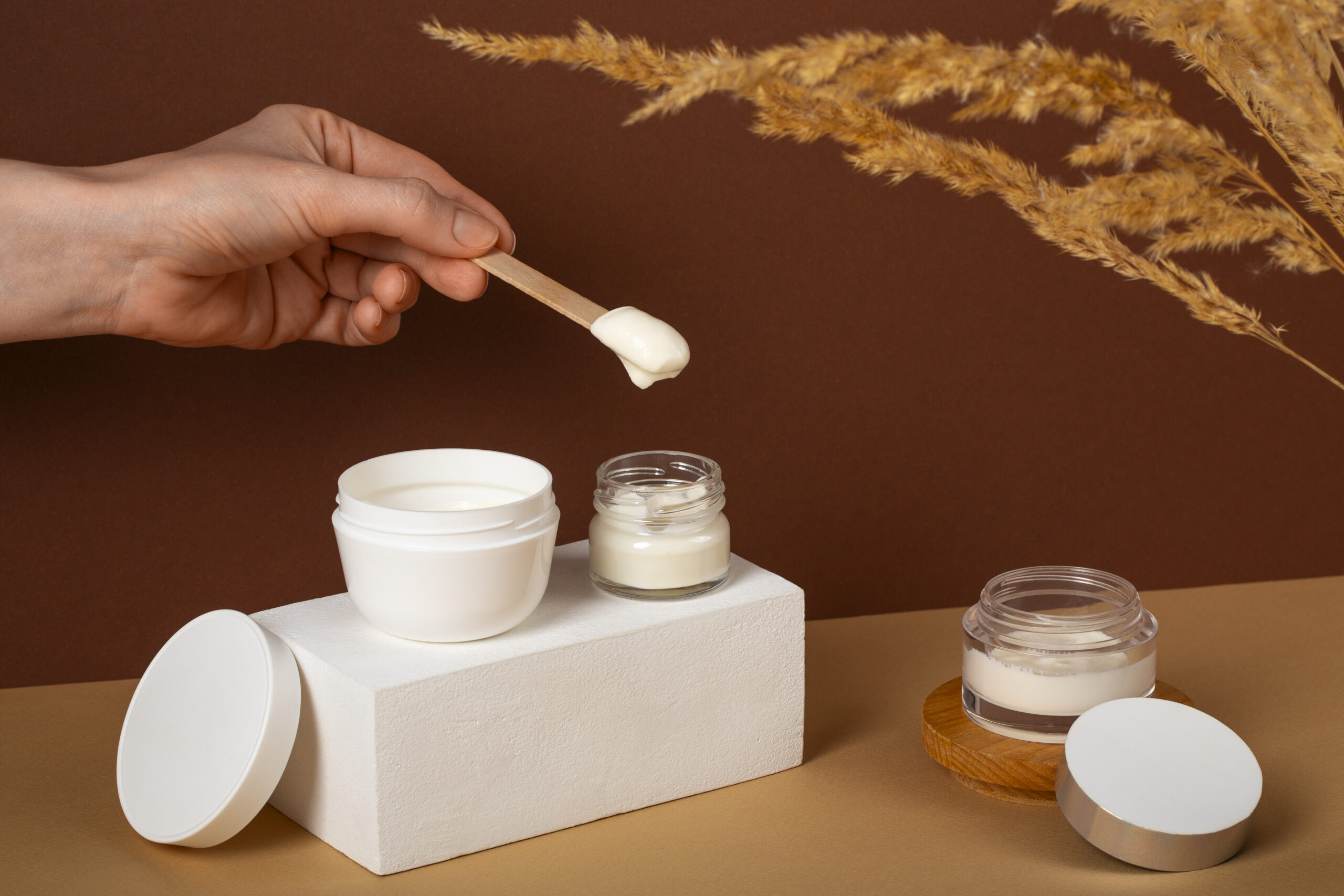
Day creams and night creams are formulated differently due to their functions, active ingredients, and stability. Learn their roles and the importance of cosmetic laboratory testing.

Rodent gnawing can trigger electrical fires. How effective are rodent-resistant cables? This article discusses the role of laboratory testing behind their safety claims.

Seed quality determines planting success. How does laboratory testing assess the genetic, physical, physiological, and health quality of seeds?

Herbal medicines are classified into Jamu, Standardized Herbal Medicines, and Phytopharmaceuticals. What are the differences in their levels of scientific evidence, and what is the role of laboratory testing behind each category?
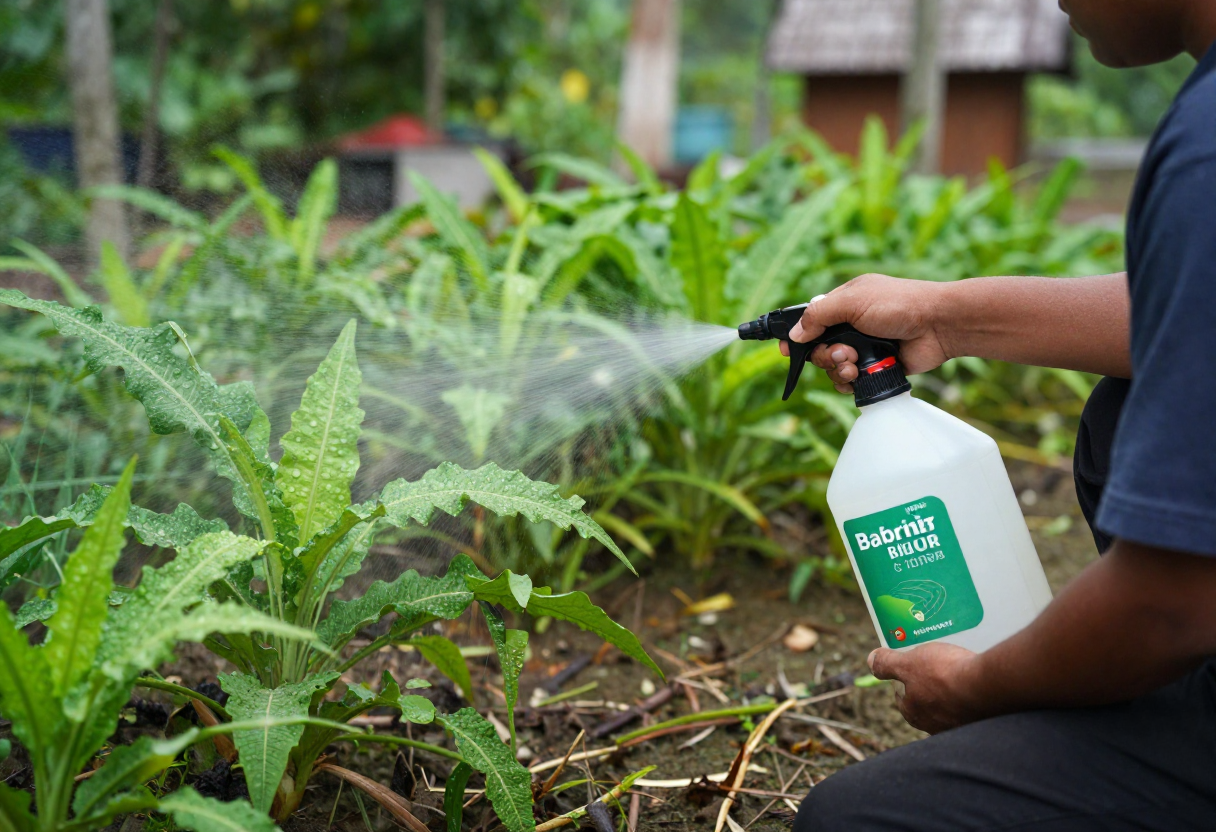
Virus-based pesticides are considered safe and selective. How do laboratory tests demonstrate their stability, effectiveness, and safety?
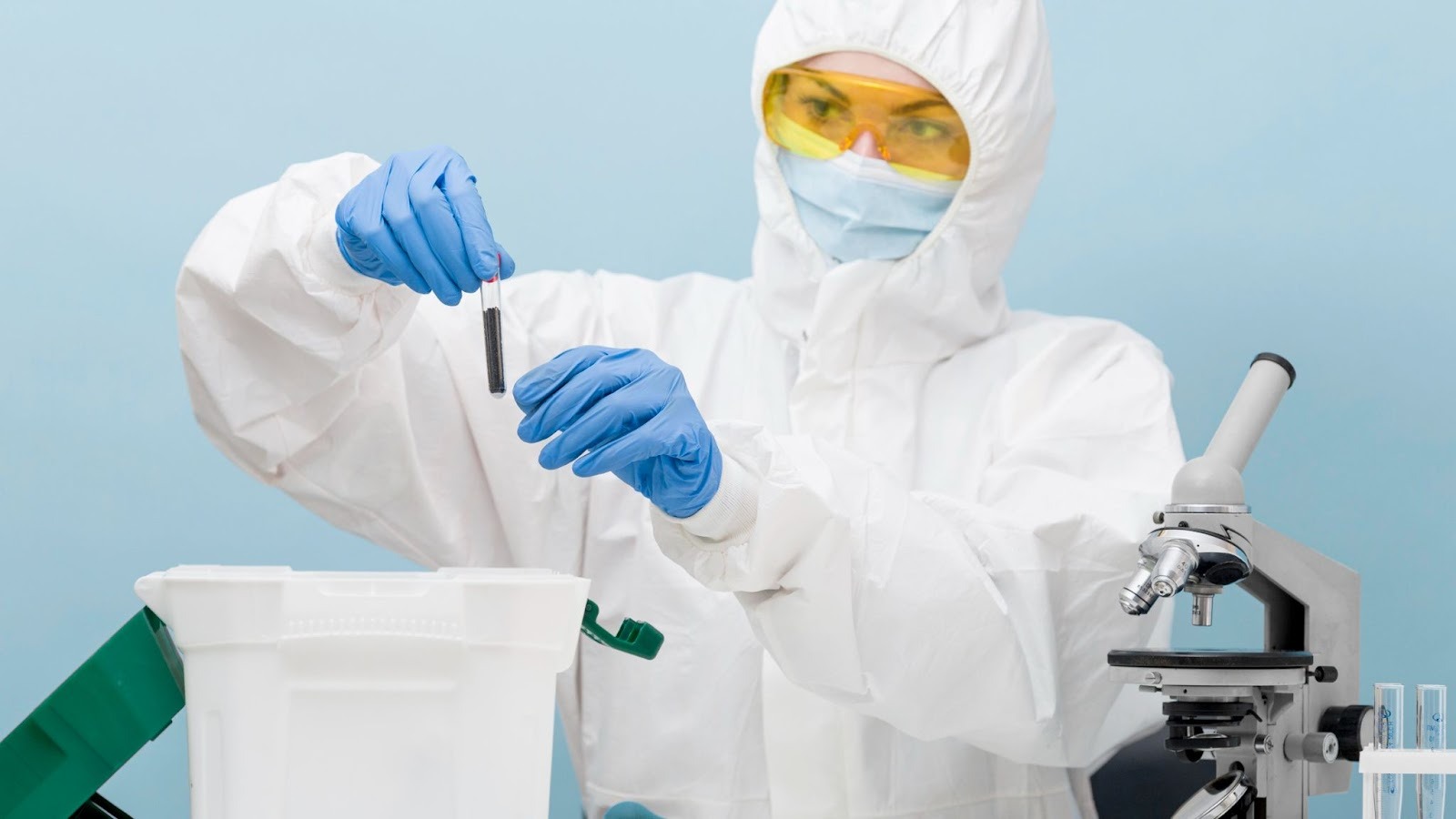
Learn about RNAi technology for pest control and the role of laboratory testing in ensuring the effectiveness and safety of RNA-based biopesticides.

Why does compost need laboratory testing? Discover the role of nutrient analysis, maturity assessment, and contamination testing in ensuring the quality of organic fertilizers.