BUD and ED in Medicines: What Is the Difference and How Dangerous Is It If They Are Exceeded?

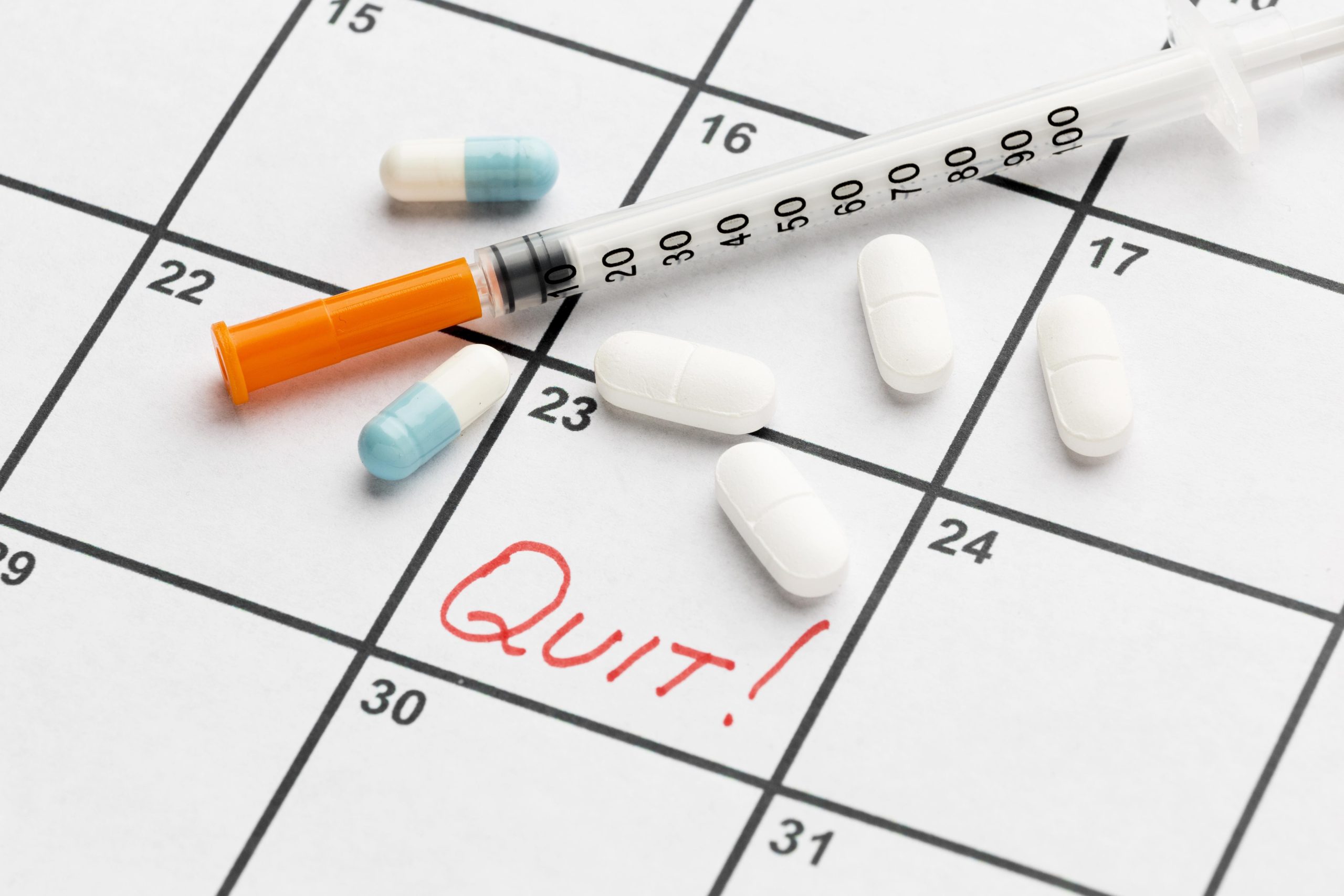
Many people keep medicines at home as a backup. However, not everyone realizes that medicine packaging usually contains a usage time limit that should be carefully observed. Two terms that often appear in the pharmaceutical field are Expiration Date (ED) and Beyond Use Date (BUD).
Table of Content :
- What is Expiration Date (ED)?
- What is Beyond Use Date (BUD)?
- What Are the Risks of Using Medicines After BUD or ED?
- Conclusion
What is Expiration Date (ED)?
According to the United States Pharmacopeia (USP), the Expiration Date (ED) refers to the date established by the drug manufacturer that indicates the time limit during which a pharmaceutical product is expected to remain within the approved specifications, such as quality, purity, and potency, provided that it is stored under recommended conditions.
In simple terms, the expiration date represents the period during which a medicine is guaranteed to remain safe and effective. The expiration date applies to medicines that are still unopened and is clearly stated on the packaging, such as on tablet blisters, medicine bottles, or the outer product packaging.
Read also :
What Really Happens to a Drug After You Take It? Don’t believe The Myths!
What is Beyond Use Date (BUD)?
Unlike the expiration date, the Beyond Use Date (BUD) refers to the time after which a medicine should no longer be used once it has been opened, compounded, or transferred from its original container.
The BUD is usually determined by pharmacists or pharmaceutical professionals based on the stability of the medicine after the packaging has been opened. This is important because once a medicine is exposed to air, light, or environmental contaminants, its quality may decline faster than when it remains in its original packaging.
For example:
- Reconstituted antibiotic syrups should typically only be used for 7–14 days.
- Eye drops often have a BUD of around 28–30 days after opening.
If a medicine has passed its BUD, its quality can no longer be guaranteed, even if the expiration date printed on the package is still far in the future.
What Are the Risks of Using Medicines After BUD or ED?
Using medicines that have passed their BUD or ED may pose several health risks. One of the main risks is a reduction in the effectiveness of the medicine. Over time, the active ingredients in a medicine may degrade or break down, resulting in a smaller amount of active substance working in the body than intended. As a result, the medicine may no longer provide optimal therapeutic effects. This could lead to the illness not being properly treated or a longer recovery time.
In addition, medicines that have exceeded their recommended usage period may also be at risk of microbial contamination, such as bacteria or fungi. This risk is particularly relevant for medicines that have already been opened, such as eye drops or liquid syrups. When a medicine container is opened repeatedly, air and microorganisms from the environment can enter the container.
If the medicine continues to be used after its BUD, the microorganisms that develop inside may cause infections in users. Research has shown that contaminated pharmaceutical preparations may carry bacteria such as Pseudomonas or Serratia, which can potentially cause infections, particularly in ophthalmic (eye) preparations.
In addition to contamination, the quality of medicines may also decline due to chemical instability or physical changes in the drug. Factors such as exposure to air, light, temperature, and humidity can accelerate the degradation of active ingredients once the container has been opened. This may cause the medicine to no longer meet the required standards for safety and effectiveness.
Conclusion
Using medicines after their BUD or ED is not recommended, as it may lead to reduced effectiveness, increased risk of microbial contamination, and changes in drug quality. Therefore, it is important for people to always check the dates on medicine packaging and follow the recommended usage instructions after opening the product.
If a medicine has passed its allowed usage period, it should no longer be used and should be replaced with a medicine that is still within its valid period.
Incorrect shelf life determination can impact product quality, safety, and even your business reputation. Trust your product stability testing with IML Testing and Research as your reliable partner.
Author : Jihan
Editor : Alphi
References
Hanssens, Jean-Marie; Quintana-Giraldo, Carolina; Jacques, Sandrine; El-Zoghbi, Nohade; Lampasona, Vanessa; Langevin, Camille; Bouchard, Jean-François . (2018). Shelf Life and Efficacy of Diagnostic Eye Drops. Optometry and Vision Science, 95(10), 947–952.
Okeke, Claudia C.; Srinivasan, Srini V. . (1998). Expiration and beyond-use dates. American Journal of Health-System Pharmacy, 55(5), 433–434.