What Really Happens to a Drug After You Take It? Don’t believe The Myths!

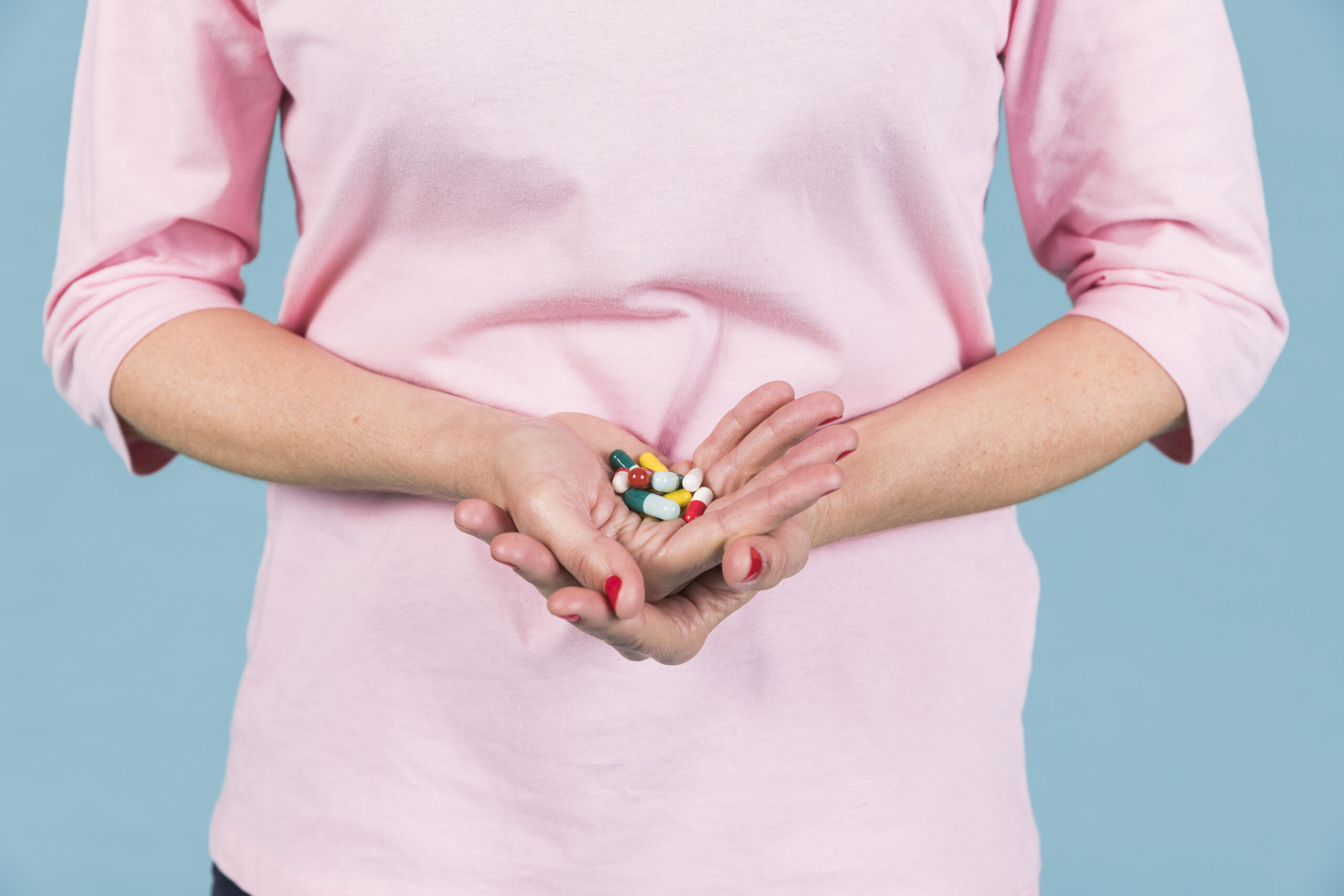
When we feel unwell, we are accustomed to taking medication to relieve the symptoms of illness. However, once a drug or also called medicine is swallowed, it does not work instantly. The body processes medicine through a systematic and gradual mechanism so they can produce their therapeutic effects.
In pharmacy, this process is studied in a branch of science called pharmacokinetics. Pharmacokinetics explains how a drug moves through the body, from the moment it enters until it is eliminated. This process consists of four main stages: absorption, distribution, metabolism, and excretion.
Read also :
Medicine After Eating: Stop Taking It Immediately Here’s the Correct Time Gap
Table of content :
- ABSORPTION : The First Process
- DISTRIBUTION : Distribution With Blood
- METABOLISM : Drug Will be Break and Eliminate
- EXCRETION : The Final Stage
- Ensure The Effectiveness and Safety of Your Pharmaceutical Products are Scientifically Proven
ABSORPTION : The First Process
After a medicine is swallowed, it passes through the digestive system. Solid dosage forms such as tablets or capsules must first break apart and dissolve before they can be absorbed by the body.
In the gastrointestinal fluids, tablets or capsules disintegrate into smaller particles. Once broken down, the active ingredient is released from its dosage form so the medicine particles are ready to dissolve. After dissolution, the medicine can be absorbed into the bloodstream.
Most medicines are absorbed through passive diffusion, which is the movement of medicine molecules from an area of higher concentration to lower concentration without the use of energy. Absorption may occur through body fluids or through lipid cell membranes therefore, a drug’s ability to dissolve in fat greatly influences the rate of absorption.
In addition, some medicines require the help of carrier proteins, either through active transport, which requires energy, or facilitated diffusion, which does not require energy. Certain transporters, however, can reduce absorption by returning drugs back into the gastrointestinal tract.
DISTRIBUTION : Distribution With Blood
The second stage is distribution. Distribution is the process by which a medicines spreads throughout the body via the blood and tissues. After entering the bloodstream, the drug moves from blood vessels into body tissues.
At these sites, the drug interacts with its receptors and produces its therapeutic effect. However, medicines may sometimes bind to tissues other than their intended targets, which can lead to side effects.
METABOLISM : Drug Will be Break and Eliminate
After being absorbed and distributed, drugs undergo metabolism, a process that breaks them down into forms that are easier for the body to eliminate. During metabolism, drugs experience chemical changes that reduce how long they remain active in the body.
Most metabolic processes occur in the liver. Metabolism generally occurs in two stages. In the first stage, the chemical structure of the drug is modified, usually producing compounds with weaker activity than the original medicine.
In some cases, however, this process can activate drugs that were previously inactive. In the second stage, the drug is combined with another substance to make it more water soluble.
As a result, the drug becomes inactive and can be more easily excreted through urine or bile. Although metabolism mainly occurs in the liver, it can also take place in the kidneys, lungs, and other organs.
EXCRETION : The Final Stage
Excretion is the final stage of a medicines journey in the body. After absorption, distribution, and metabolism, the body must remove the remaining drug and its byproducts.
The primary route of excretion is through the kidneys, which filter the blood and eliminate drug residues in the urine. A small portion of the drug may be reabsorbed into the bloodstream, but most is excreted.
Medicines may also be eliminated through the liver in the form of bile, which is then excreted in the feces. Some substances, such as alcohol and anesthetic gases, are removed through the lungs during breathing.
In smaller amounts, medicines can also be excreted through sweat, tears, and breast milk. The health of the kidneys and liver greatly affects the rate of medicine excretion therefore, in elderly individuals or patients with organ impairment, medicine dosages often need adjustment to ensure safety.
Ensure The Effectiveness and Safety of Your Pharmaceutical Products are Scientifically Proven
After being consumed, a drug undergoes several processes in the body that determine how well it works. Therefore, laboratory testing such as efficacy testing, stability testing, toxicity testing, and product quality analysis is essential to ensure the medication provides optimal benefits and remains safe for use.
Conduct your testing with IML Testing and Research and consult your laboratory testing needs with the IML expert team to support the development of pharmaceutical products that are more effective, safe, and trusted.
Author : Jihan
Editor : Alphi
REFERENCES
Alagga AA, Pellegrini MV, Gupta V. Drug Absorption. [Updated 2024 Feb 27]. In: StatPearls [Internet]. Treasure Island (FL): StatPearls Publishing; 2025 Jan-. Available from:
Grogan S, Preuss CV. Pharmacokinetics. [Updated 2023 Jul 30]. In: StatPearls [Internet]. Treasure Island (FL): StatPearls Publishing; 2025 Jan-. Available from:
Open Resources for Nursing (Open RN); Ernstmeyer K, Christman E, editors. Nursing Pharmacology. 2nd edition. Eau Claire (WI): Chippewa Valley Technical College; 2023. Chapter 1: Pharmacokinetics & Pharmacodynamics. Available from: