Diabetes and Its Medication: Must It Be Taken for Life?

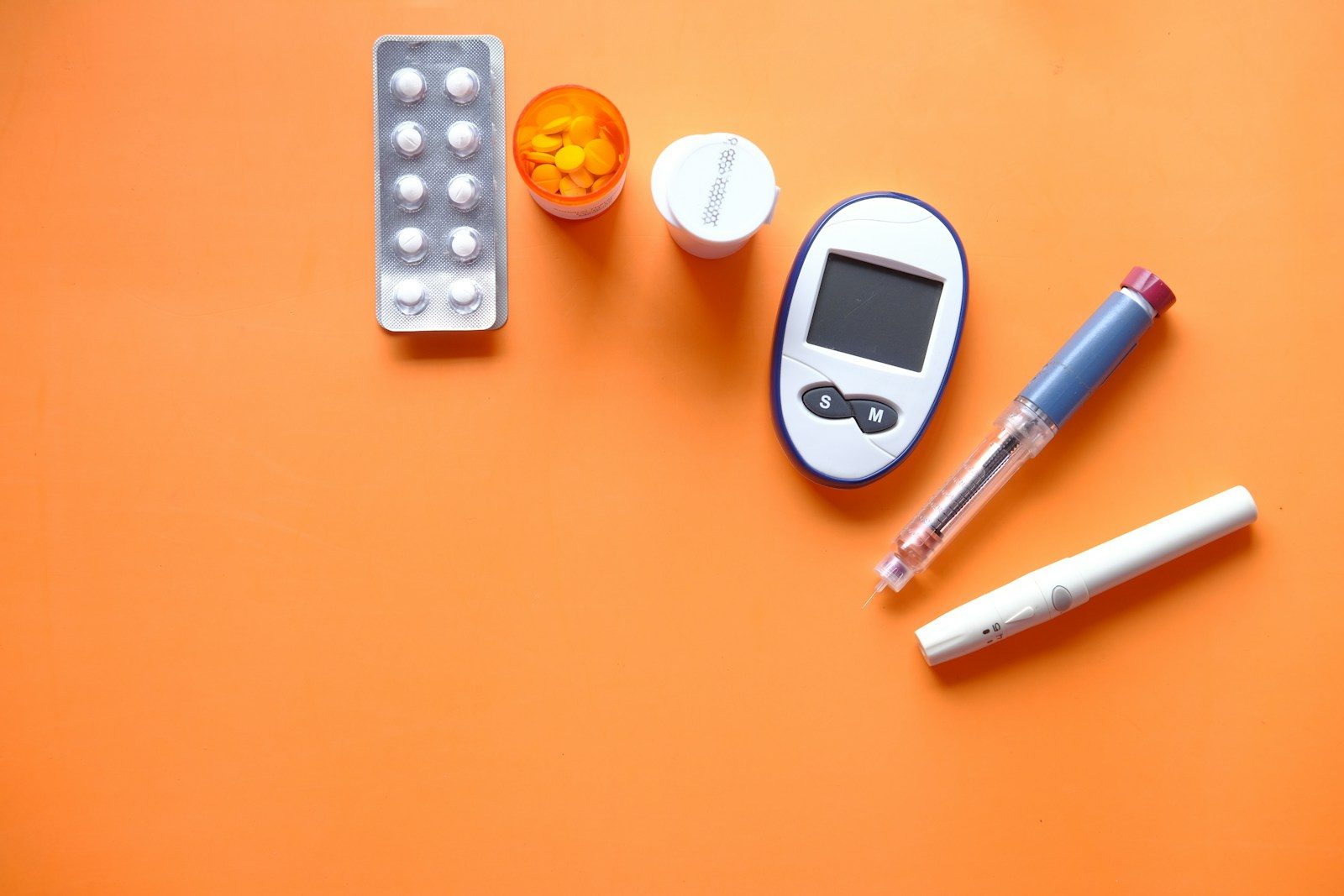
Diabetes mellitus, is a serious long term (chronic) condition that occurs when blood glucose levels become elevated. This happens because the body is unable to produce insulin at all, produces insufficient amounts of insulin, or cannot effectively use the insulin it produces.
Table of Content :
- Function of The Insulin Hormone
- High Number of Sufferers
- Commonly Encountered Types
- Treatment and Other Factors
Function of The Insulin Hormone
Insulin is an essential hormone produced by the pancreas. It helps glucose in the bloodstream enter the body’s cells, where it is either converted into energy or stored. In addition, insulin plays an important role in the metabolism of proteins and fats. A lack of insulin, or the inability of the body’s cells to respond to it, leads to increased blood glucose levels, which is the clinical hallmark.
High Number of Sufferers
Approximately 589 million people worldwide are living with this disease, and it is estimated that by 2050 the number of people with diabetes will reach 254 million. In Indonesia, based on data from the International Diabetes Federation, in 2024 the total number cases among adults reached 20,426,400, with a prevalence of 11.3%.
Given the high prevalence of this condition, proper the disease management is crucial to prevent complications. People with this disease are three times more likely to develop cardiovascular diseases, are up to ten times more likely to experience kidney failure, and 1 in 3 individuals may develop some form of visual impairment.
Additionally, many people with diabetes may undergo lower limb amputation. Therefore, diabetes management often involves medication, either in the form of oral drugs or insulin therapy. However, a common question arises: must the medication be taken for a lifetime?
Read also :
Unbelievable! Lime Can Cure Diabetes?
Commonly Encountered Types
The answer is not always straightforward, as it depends on the type, the patient’s condition, and the success of lifestyle modifications. In type 1 diabetes, the body cannot produce insulin at all, making lifelong insulin therapy essential. Without insulin, blood glucose levels cannot be controlled and may become life threatening.
In contrast, type 2 diabetes, which is the most common type, occurs when the body still produces insulin but cannot use it effectively (insulin resistance). In such cases, medication is not always required for life.
Some patients may reduce their dosage or even discontinue medication if they successfully implement consistent lifestyle changes, such as maintaining a healthy diet, exercising regularly, losing weight, and managing stress.
Nevertheless, it is important to understand that discontinuing medication should not be done without medical supervision. Normal blood sugar levels do not necessarily mean that diabetes has been cured.
Treatment and Other Factors
In many cases, the condition is well controlled due to a combination of medication and a healthy lifestyle. If medication is stopped without proper evaluation, blood glucose levels may rise again without noticeable symptoms.
Moreover, this disease is a chronic and progressive disease. Over time, the pancreas may gradually lose its ability to produce insulin. As a result, some patients who initially require only one type of medication may later need combination therapy or even insulin treatment. Therefore, adherence to treatment and regular monitoring are essential.
Healthcare professionals also play a crucial role in determining the appropriate therapy. Doctors consider various factors, including age, duration, blood glucose levels, and the presence of complications or comorbidities. With an individualized approach, treatment can be optimized to provide maximum benefit for each patient.
In conclusion, diabet medication does not always have to be taken for a lifetime, especially in type 2. However, it requires careful medical evaluation. The key to effective diabetes management lies in a combination of appropriate treatment and sustained lifestyle changes. With proper management, individuals with diabetes can still lead healthy and productive lives.
Ensure Your Health Products Are Scientifically Proven
Topics like diabetes highlight the importance of safe, effective, and evidence based products. Without proper testing, product quality and trust can be at risk.
Conduct safety, efficacy, and content testing with IML Testing and Research to ensure your products are reliable, consistent, and compliant with industry standards.
Author : Jihan
Editor : Alphi
References
Banday, M. Z., Sameer, A. S., & Nissar, S. (2020). Pathophysiology of diabetes: An overview. Avicenna Journal of Medicine, 10(4), 174–188.
International Diabetes Federation. (n.d.). Diabetes complications. Retrieved April 3, 2026, from https://idf.org/about-diabetes/diabetes-complications/
IDF. (n.d.). Indonesia. Retrieved April 2, 2026, from
Magliano, D. J., & Boyko, E. J. (2021). IDF Diabetes Atlas (10th ed.). Brussels: IDF. Retrieved from