Drug Expiration Date: What Happens Chemically After the Expiration Date?

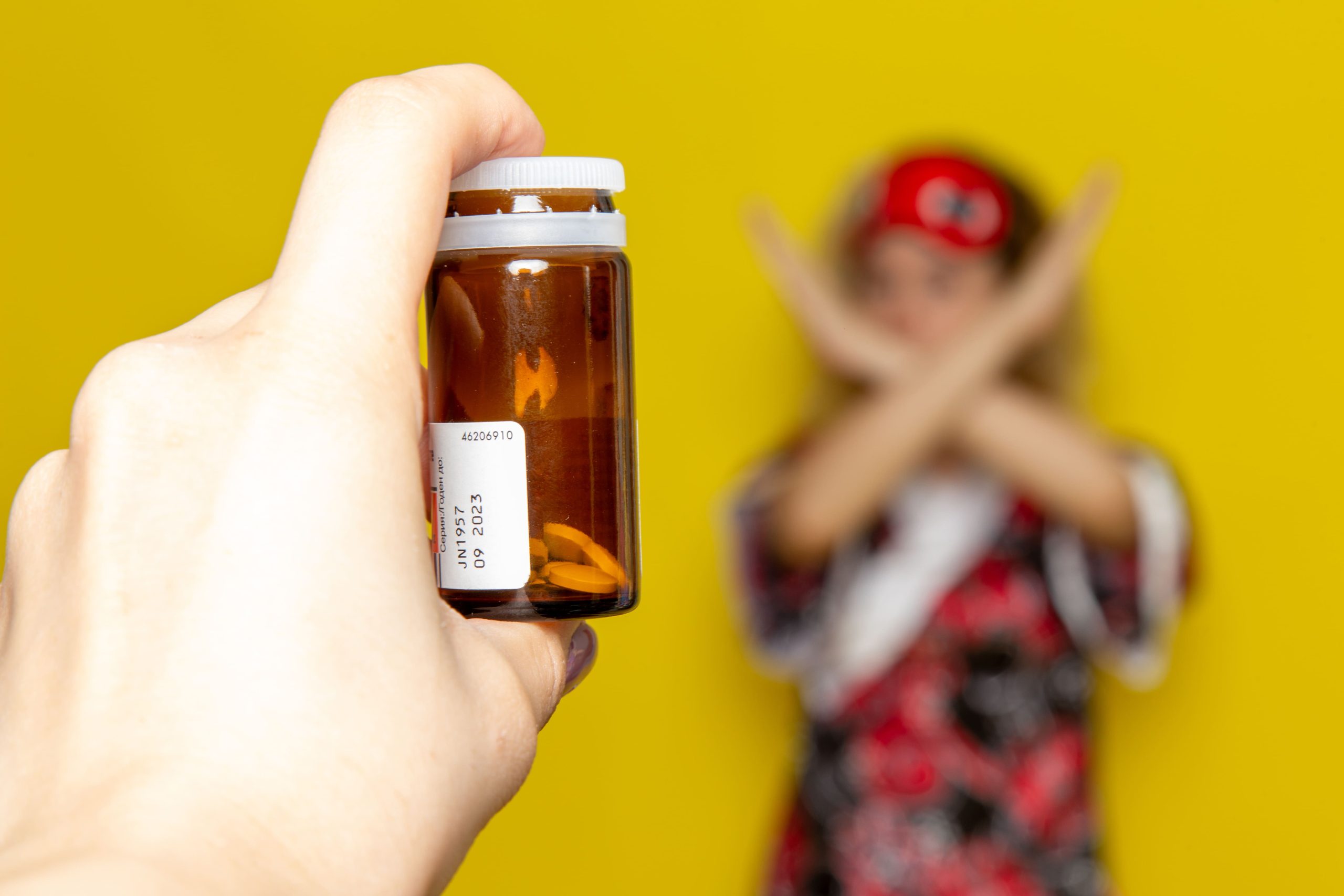
The drug expiration date is the final date on which the manufacturer guarantees the drug’s full safety and effectiveness. Expiration dates are often considered merely administrative labels. In reality, however, they are closely related to the chemical stability of a pharmaceutical product.
After passing the expiration date, medications may undergo chemical changes that can affect their effectiveness, safety, and overall quality. Therefore, understanding what actually happens to medications after their expiration date is important for the public.
Table of content:
- How Are Expiration Dates Determined?
- What Happens Chemically to Medications After They Expire?
- Is the Expiry Date on Your Pharmaceutical Product Backed by Valid Stability Test Data?
How Are Expiration Dates Determined?
Drug expiration dates are established through stability testing conducted by manufacturers to ensure that medications remain safe, effective, and meet quality standards when stored under recommended conditions. These tests evaluate several factors, including the physicochemical properties of the drug, temperature, humidity, and accelerated degradation studies performed on products stored in their original sealed packaging. Generally, the shelf life of medications ranges from 1–5 years from the date of manufacture.
However, it is important to understand that an expiration date does not necessarily mean that a medication immediately becomes unstable after that date has passed. In addition, once the original packaging has been opened, the expiration date may no longer fully apply because the stability of the medication can be affected by exposure to air, light, and improper storage conditions that differ from the instructions provided on the label.
What Happens Chemically to Medications After They Expire?
Chemically, one of the major changes in expired medications is the degradation of the active pharmaceutical ingredient (API). This degradation means that the active chemical compound in the medication breaks down into simpler molecules, thereby reducing its potency or therapeutic effectiveness.
Active ingredient degradation generally occurs through oxidation, hydrolysis, or photolysis reactions. Oxidation occurs when drug compounds react with oxygen in the air, causing changes in their chemical structure.
This reaction commonly occurs in medications that are sensitive to air and light. Meanwhile, hydrolysis occurs due to interactions with water or moisture, particularly in medications formulated as syrups, suspensions, or gelatin capsules.
In addition, exposure to light can cause photodegradation, which is the breakdown of molecules due to light energy. This is why some medications are packaged in dark-colored bottles to protect their stability. These chemical structural changes may decrease the concentration of active ingredients, making the therapeutic effect of the medication less effective.
In some cases, drug degradation may also produce new compounds that are toxic. One commonly discussed example involves older generation tetracycline antibiotics, which have been reported to form harmful compounds after degradation.
Degraded tetracycline can produce 4-epianhydrotetracycline (4-EATC) and anhydrotetracycline (ATC), compounds associated with kidney damage. Physical changes often accompany chemical degradation as well. Tablets may discolor, crack, or become brittle.
Capsules may soften due to moisture exposure, while syrups may develop sedimentation or changes in odor. In sterile preparations such as eye drops and injections, the risk of microbial contamination also increases after the shelf life has ended.
This can be dangerous because microorganisms may grow when preservative effectiveness declines. Storage conditions greatly influence the rate of drug degradation. High temperatures, humidity, and light exposure can accelerate chemical reactions that cause medications to deteriorate more rapidly.
Therefore, medications should be stored in cool, dry places protected from direct light. Storing medications in bathrooms or inside vehicles, for example, can accelerate the decline in their quality.
Read also:
Diabetes and Its Medication: Must It Be Taken for Life?
Is the Expiry Date on Your Pharmaceutical Product Backed by Valid Stability Test Data?
The expiry date on a pharmaceutical product is not merely a number printed on packaging it is a scientific statement that must be substantiated through valid, standardized stability test data. Every pharmaceutical manufacturer that prints an expiry date without robust supporting data faces not only regulatory risk from BPOM, but a far more serious consequence: products consumed after chemical degradation can directly endanger patient safety.
IML Testing & Research is ready to help pharmaceutical manufacturers validate product stability, substantiate claimed shelf life, and ensure that every batch of product in circulation continues to meet quality standards up to the printed expiry date. Consult your pharmaceutical product stability testing needs today because an expiry date without supporting data is not just a regulatory issue, it is a safety responsibility that cannot be compromised.
Author: Jihan
Editor: Alphi
References
Anderson, L.A. (2024). Drug Expiration Dates – Are Expired Drugs Still Safe to Take? Retrieved May 15, 2026, from Drugs.com
Benitz, K.-F., & Diermeier, H.F. (1964). Renal Toxicity of Tetracycline Degradation Products. Experimental Biology and Medicine, 115(4), 930–935.
Gikonyo, D., Gikonyo, A., Luvayo, D., & Ponoth, P. (2019). Drug expiry debate: the myth and the reality. African Health Sciences, 19(3), 2737–2739.