Stop Ignoring Hair Loss: Discover the Causes and Real Solutions

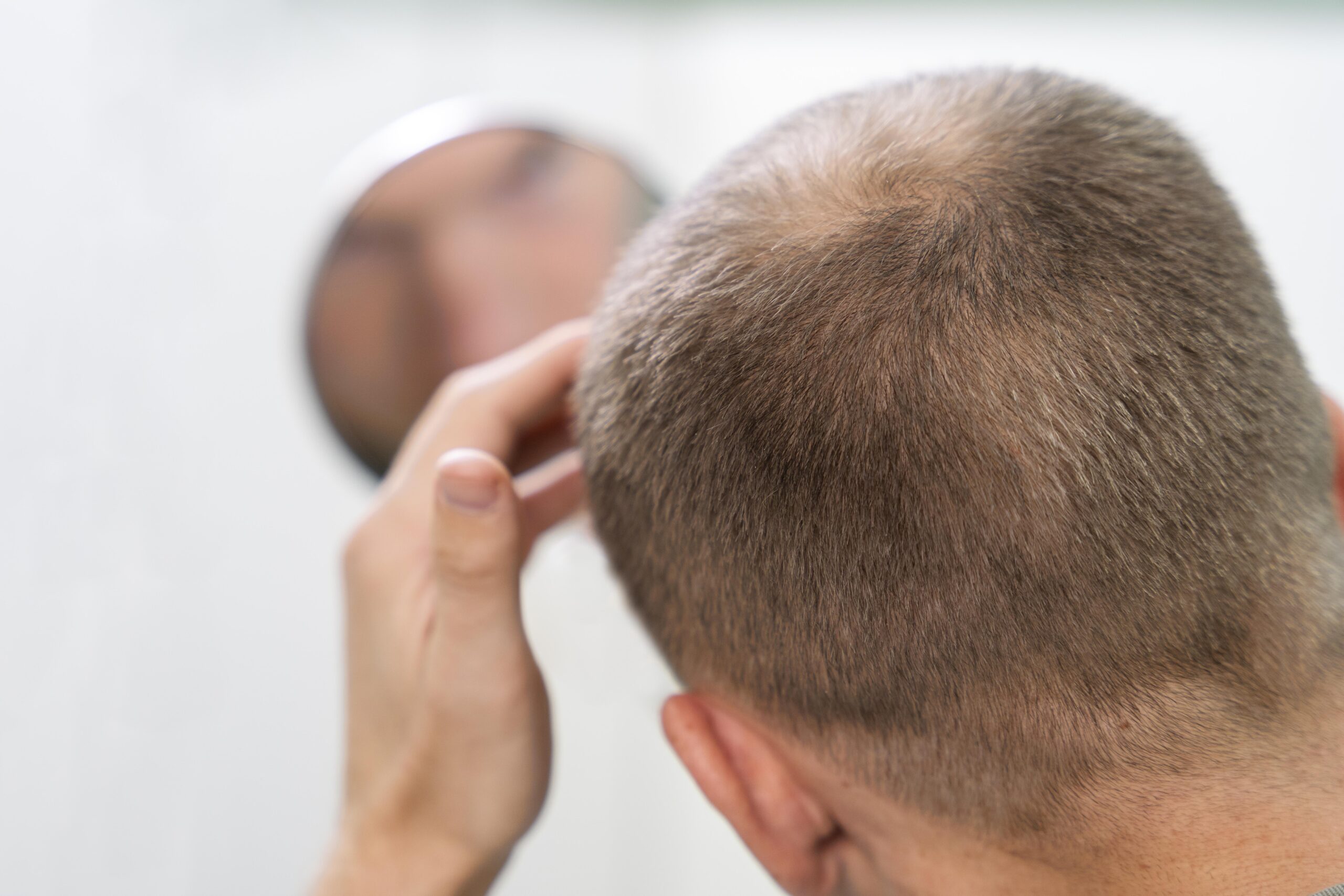
Hair shedding is a common condition experienced by many people and often represents an early stage before the development of hair loss. Physiologically, human hair undergoes a natural cycle consisting of a growth phase (anagen), a transition phase (catagen), and a resting phase (telogen).
Hair shedding is still considered normal when the number of hairs lost ranges from 50–100 strands per day. However, shedding becomes problematic when the amount of hair lost exceeds the ability of hair follicles to produce new hair.
Read also :
The Difference Between Hair Oil and Hair Serum: Functions, Benefits, and Usage
Table on Content :
- Factors That Cause Hair Loss
- Active Ingredients That Help Treat Hair Loss
- The Impact of Using Active Ingredients
- Understand the Side Effects of Use
- Ensure the quality and safety of your hair care products are scientifically proven
Factors That Cause Hair Loss
Various factors can trigger this condition, including stress, nutritional deficiencies, hormonal changes, aging, genetic factors, as well as inflammation and autoimmune disorders. At this stage, hair follicles are still alive but experience functional impairment, causing hair to become thinner, shorter, and more prone to shedding.
If hair shedding occurs chronically and is not managed properly, it may progress to hair loss. Hair loss is characterized by a significant reduction in hair density, resulting in visibly exposed areas of the scalp.
In androgenetic hair loss, for example, the hormone dihydrotestosterone (DHT) plays a major role in accelerating the miniaturization of hair follicles. DHT shortens the anagen phase and causes follicles to gradually produce only thin and short vellus hairs.
In addition to hormonal factors, hair loss can also be caused by autoimmune disorders such as alopecia areata, chronic inflammatory processes, fibrosis around hair follicles, and a decline in the regenerative capacity of hair follicle stem cells due to aging. At this stage, hair recovery becomes much more difficult because the follicles have undergone structural and functional damage.
Active Ingredients That Help Treat Hair Loss
As scientific understanding of the mechanisms underlying hair shedding and hair loss has advanced, various active ingredients have been developed to help reduce shedding and stimulate hair growth. Minoxidil, for instance, works by increasing blood flow to the scalp and prolonging the anagen phase, thereby helping hair follicles remain longer in the growth phase to help hair shedding.
Enzyme inhibitors of 5α-reductase, such as finasteride and dutasteride, play a role in reducing the formation of DHT, thereby slowing the process of follicle miniaturization in androgenetic hair loss. For inflammation and autoimmune based conditions, inflammatory pathway inhibitors such as JAK inhibitors have shown great potential in stimulating regrowth of lost hair.
The Impact of Using Active Ingredients
Modern approaches now focus not only on preventing hair shedding, but also on restoring the biological function of hair follicles in a more comprehensive and sustainable manner. The use of hair growth promoting active ingredients requires careful consideration of concentration and frequency of application.
Excessively high concentrations may lead to side effects such as itching, a burning sensation on the scalp, and hair growth in undesired areas. Minoxidil is generally used topically and is considered relatively safe.
Understand the Side Effects of Use
However, several studies indicate that discontinuation of minoxidil use may cause hair follicles to return to their pre treatment condition. In addition, several studies suggest that active ingredients with stronger efficacy, namely the combined use of minoxidil and finasteride, provide more effective results compared to the use of each active ingredient alone in reducing hair loss and hair shedding.
Although various active ingredients have been proven to help reduce hair shedding and stimulate hair growth, each therapy still carries potential side effects that need to be understood. These effects may vary depending on the type of active ingredient, method of use (topical or oral), dosage, and individual conditions.
Ensure the quality and safety of your hair care products are scientifically proven
Hair loss and baldness can be influenced by many factors, including the use of unsuitable or potentially harmful products. To ensure your hair care products perform effectively and remain safe for consumers, conduct efficacy testing, safety testing, and product content analysis with IML Testing and Research.
Consult your testing needs today with the IML expert team to support the development of hair care products that are more effective, safe, and trusted in the market.
References :
Chen, L.; Zhang, J.; Wang, L.; Wang, H.; Chen, B. The Efficacy and Safety of Finasteride Combined with Topical Minoxidil for Androgenetic Alopecia: A Systematic Review and Meta-analysis. Aesthetic Plast. Surg. 2020, 44, 962–970.
Kim, J., Song, S.-Y., & Sung, J.-H. (2025). Recent Advances in Drug Development for Hair Loss. International Journal of Molecular Sciences, 26(8), 3461.